Reading the Wolverine Pen Label and Its Research-Only Statement
A research-only designation is a statement about terms of supply, not a quality grade. Here is what the Wolverine label tells you and where you need other documents.
The words "Wolverine BPC-157 TB-500 research use only" carry more weight than their length suggests, and they are easy to misread. Some people treat the phrase as a quality grade. Others treat it as a formality to scroll past. It is neither: it is a statement about the terms on which the material is supplied.
Alongside that designation, the pen itself carries a small amount of printed information. Read together with the listing and the batch report, it tells you a lot. Read on its own, it tells you less than you might think. This article goes through what each part communicates and where you need to look elsewhere.
What the research-only designation means
CLOVA supplies the Wolverine blend, like everything in its catalogue, for laboratory research only. It is not for human or veterinary use. That sentence sets the boundary of the sale: who the product is intended for and what kind of work it is intended to support.
What it does not do is just as important. It is not a statement about quality or a promise that the material suits any particular method. Nor does it settle what your organisation may do, which depends on your own policies and the rules that apply to you. CLOVA's explainer on research-only terms covers the wording in more depth.
What the pen label tells you
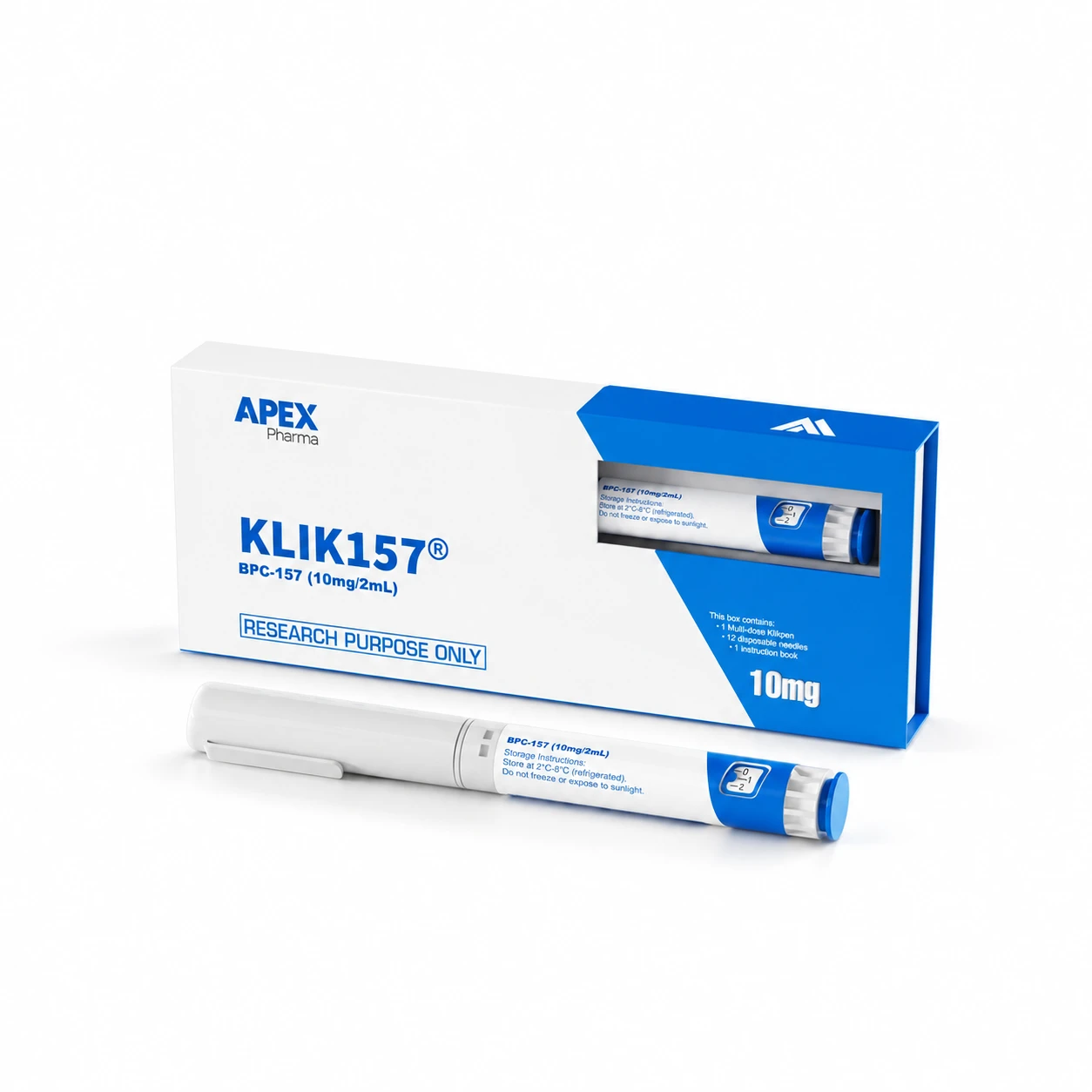
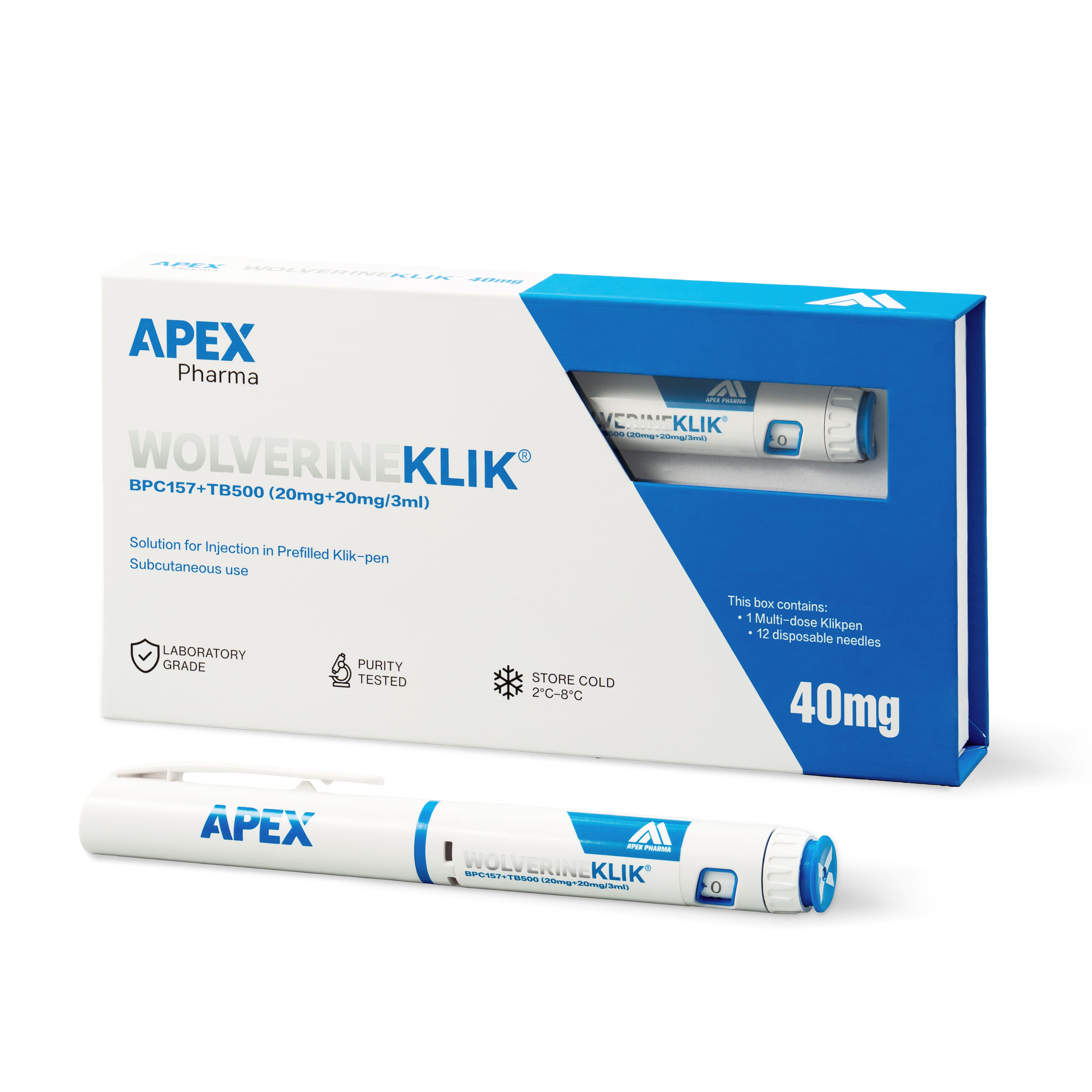
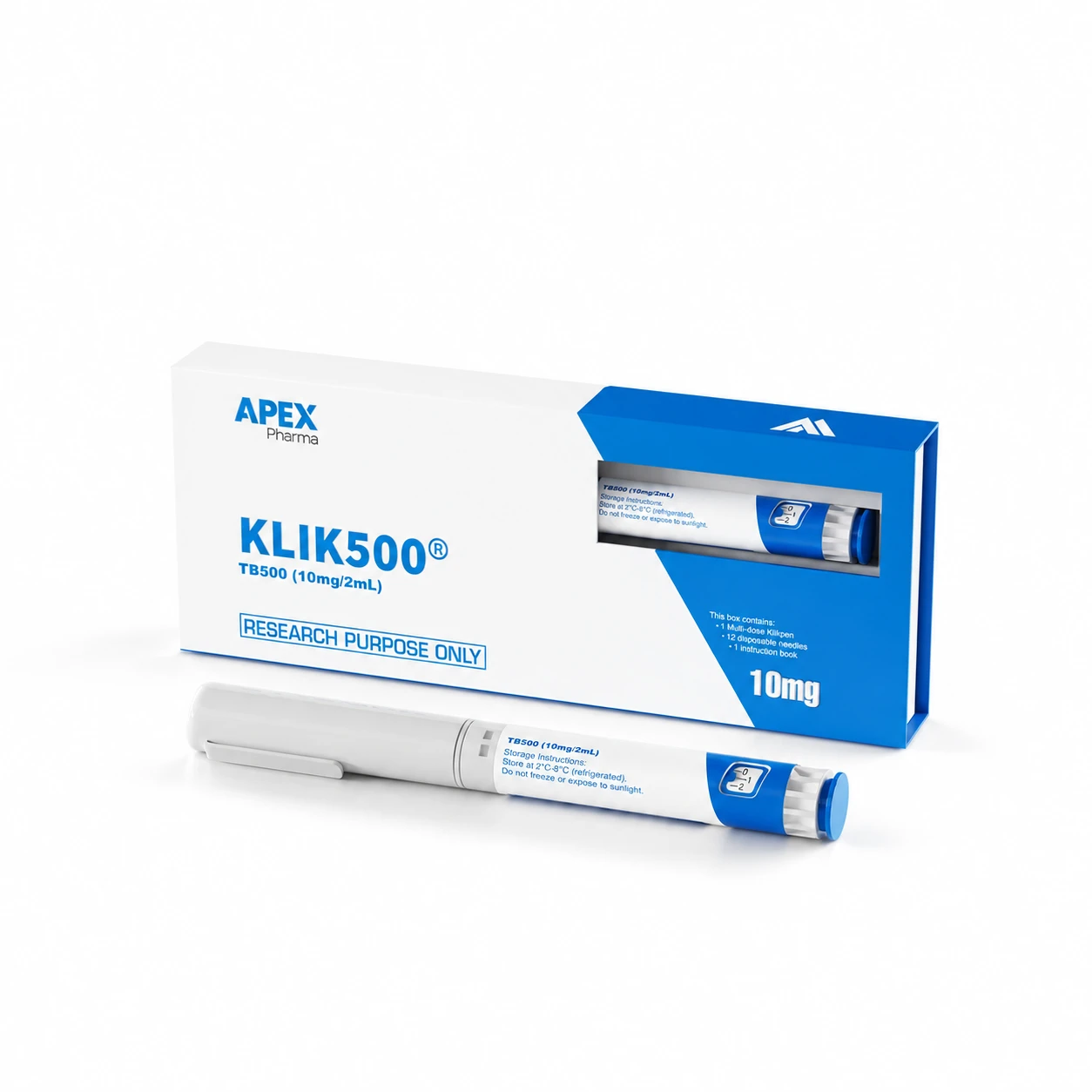
The most useful thing on the label is its name. The Wolverine pen is labelled WOLVERINEKLIK, which distinguishes it from CLOVA's single-peptide pens, KLIK157 and KLIK500. If your records say Wolverine but the pen in the fridge says KLIK157, you are holding a different product, not a variation of the same one.
The second useful element is the batch number. On its own it is just a code, but it is the link between the physical pen and any published batch report. Without it, there is no reliable way to say which report, if any, describes what you hold.
Anything else printed on the pen should agree with the listing, which states BPC-157 20mg and TB-500 20mg in one 3ml pen, 40mg in total. If something differs, note it and raise it rather than deciding which version is right.
What the label cannot tell you
A label identifies a product. It does not report test results. For analytical information about a specific batch, you need the Certificate of Analysis, published on CLOVA's CoA page and on product pages where a report is available. Not every batch will necessarily have one, so match the batch number before relying on any report.
The label also cannot tell you how the pen was handled after it arrived. That is your lab's record to keep. The product ships cold and should be stored at 2–8°C, away from light and never frozen, as the storage guide explains. A label that looks perfect says nothing about a pen left on a bench overnight.
Turning the label into a record
The label is most useful when its details are copied accurately into your own system on the day the pen arrives. A good entry includes:
- the label name exactly as printed, WOLVERINEKLIK
- the batch number, checked twice for transcription errors
- the date received and the name of the person who received it
- whether a matching batch report was found, and on what date you checked
- the storage location and its temperature range
With those five details recorded, anyone in the lab can trace the pen back to the listing and its paperwork without needing the original requester.
Frequently asked questions
Is research-only material lower quality than other grades?
The designation does not describe quality at all. It describes the intended use and terms of supply. For information about a specific batch, look at its Certificate of Analysis where one is published.
Why does the label say WOLVERINEKLIK instead of Wolverine?
WOLVERINEKLIK is the label name used for the blend. It helps distinguish the combined pen from the separate KLIK157 and KLIK500 pens, which contain one peptide each.
What should I do if the batch number is hard to read?
Do not guess. Photograph the label, record what you can read and contact CLOVA with your order details so the batch can be confirmed before you match it to a report.