Writing the Purchase Order for a Wolverine BPC-157 TB-500 Blend
A purchase order is read by finance, receiving and whoever audits the file. These are the lines to get right when you order a Wolverine BPC-157 TB-500 blend.
A purchase order for a BPC-157 TB-500 blend is a short document that several people will later rely on: finance, whoever receives the parcel, the lab manager and anyone who audits the file. If you are preparing to order a BPC-157 TB-500 blend in the UK, a few precise lines now will save a round of corrections later.
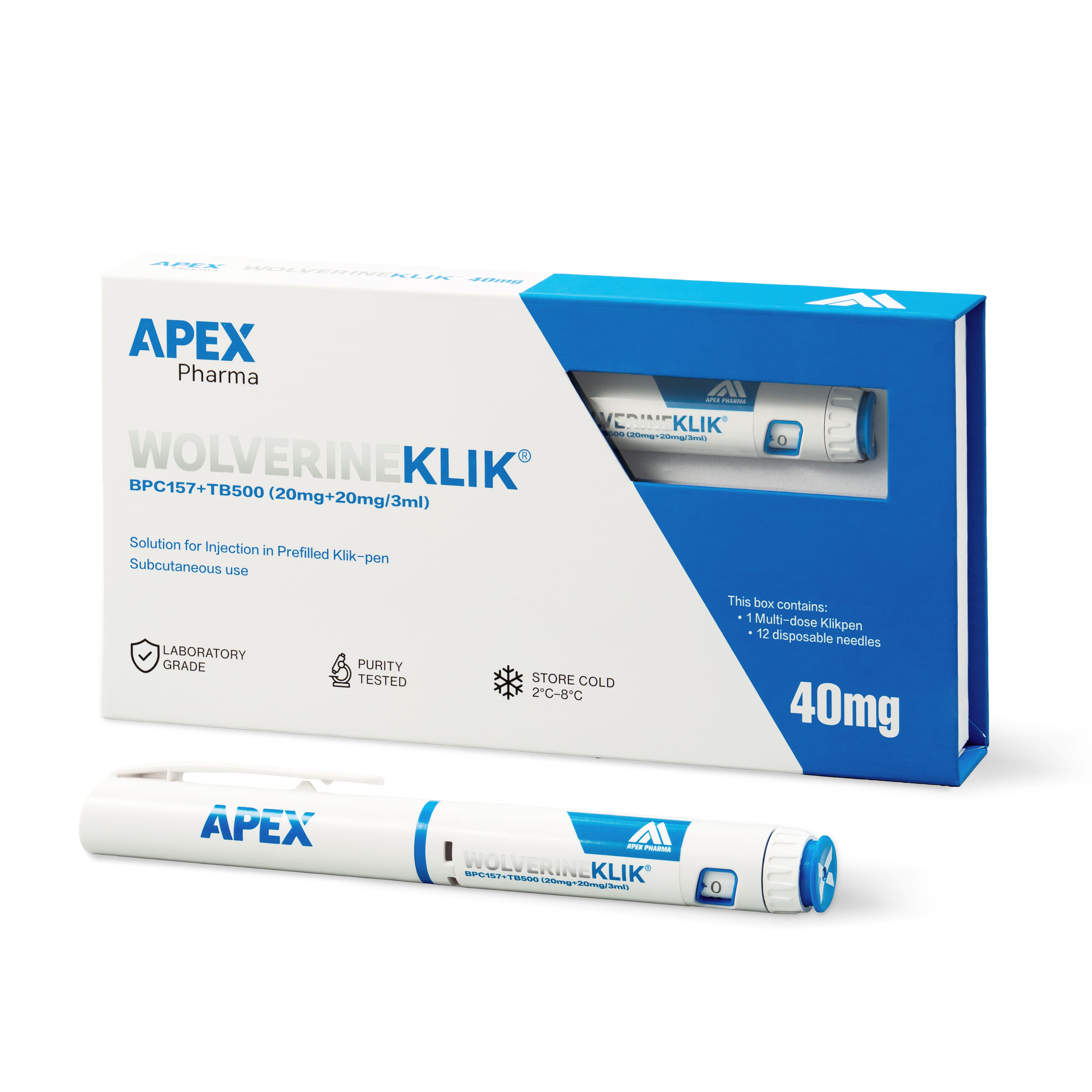
This article uses CLOVA's Wolverine blend as the worked example. It is BPC-157 20mg and TB-500 20mg in one 3ml pen, 40mg in total, with the label name WOLVERINEKLIK. The same layout suits other research listings, so adapt the entries to your own product.
Which document does which job?
Procurement files often go wrong because one document is asked to do another's work. Each paper in the chain has a single purpose:
- Quote: the supplier's price and terms for a defined offer, at a date.
- Purchase order: your organisation's commitment to buy exactly that offer.
- Invoice: the request for payment.
- Tracking and delivery record: evidence the parcel arrived, where and when.
- Certificate of Analysis: a report on an analysed sample, published where one is available.
A purchase order cannot show that a batch has passed anything, and a report cannot show that you ordered the right thing. Keep each in its lane and the file stays easy to read.
The lines to put on the order
Specific entries leave receiving staff something to check against. Here is a layout for the Wolverine pen.
| Line | Example entry | Why it matters |
|---|---|---|
| Product as listed | Wolverine (BPC-157 + TB-500) blend | Matches the listing you reviewed |
| Label name | WOLVERINEKLIK | What staff will see on the pen |
| Format and contents | 1 x 3ml pen; BPC-157 20mg + TB-500 20mg (40mg total) | Stops it being read as two products, or as 20mg overall |
| Quantity | Number of pens | Pens, not milligrams |
| Quote reference and date | Your supplier's quote number and its date | Ties the price to a defined offer |
| Intended use | Laboratory research use only | Records the basis on which it is supplied |
| Delivery | Address, named receiver and hours someone is present | The parcel ships cold and needs a person |
| Handling note | Store at 2–8°C on arrival, do not freeze, keep from light | Receiving knows what to do before it goes to the fridge |
| Documentation | Certificate of Analysis to be matched on batch number at receipt, where published | Writes the checking step into the order |
You may not know the batch number until the pen arrives, so build the matching step into the order rather than guessing a number.
Slips worth catching before it goes to approval
- Quantity in milligrams. "40mg" on a quantity line says nothing about how many pens you want. Count pens.
- A partial name. "BPC-157 blend" leaves out TB-500, and the reader has to guess the rest.
- Adjectives instead of facts. "Premium quality" gives receiving nothing to check. Leave it off.
- A stale quote. If the quote has expired or the listing has changed, confirm with the supplier before the order goes out.
- No named receiver. A cold parcel with nobody to sign for it creates avoidable delays.
Closing the loop when it arrives
The order is only half the file. When the parcel arrives, work through a short receiving check:
- The label name on the pen matches the order line.
- The format and declared amounts match what was ordered.
- The batch number is noted in the record.
- If a report is published for that batch, the number on the label matches the report.
- The pen goes into 2–8°C storage and the date and time are logged.
- Any mismatch is raised with the supplier before the item is booked into stock.
The shipping and delivery page explains dispatch, including same-day dispatch for orders paid before 1pm UK time Monday to Friday, and the COAs page lists reports where they exist. Storage detail is in the storage guide.
If something changes mid-order
Should a supplier offer an alternative pen or amend the quote, raise an amended order rather than a note in the margin. An approval covers the arrangement it described. A different listing with similar peptide names is a different purchase.
Frequently asked questions
Can I attach a Certificate of Analysis to the purchase order?
Only if one has been published for the item. Reports are available where listed, not for every product or batch, and the batch you receive may not be known when you raise the order. Writing the matching step into the order is usually more accurate than attaching a document in advance.
Does the order need to state the intended use?
Many organisations include an intended-use line, as in the table above, because it records the basis on which the item is supplied. Your own procedures decide the exact wording.
What if the quantity on the order differs from the delivery note?
Record the difference on the day, contact the supplier and hold the item out of stock records until it is resolved. A clear order line makes the discrepancy obvious in the first place.