Does a Research Peptides Discount Code Justify a Bigger Order?
A discount code should change what you pay, not what the project needs. Three tests and a short approver note for deciding whether an offer justifies changing an order.

A research peptides discount code can make a bigger basket look sensible before anyone has asked whether the project needs it. The short answer is that a promotion should change what you pay, not what you order. If the quantity or the product changes, it should be because the research plan changed.
That is easy to say and harder to hold on to when a lower total is sitting on the screen. Below are three tests to run before you alter an order because of an offer, plus a short note you can send to whoever approves the spend. Whether any code is active on the CLOVA site at a given moment is something to confirm at checkout, and nothing here assumes one is.
Start from the order you meant to place
Write down the original order line before you look at any offer: the product, the pack, the quantity and the date. If you have already seen the code, reconstruct the line from your original request or project plan. The point is to have a fixed reference to compare against.
Then name the kind of change on the table. There are really only three:
- A change of count, meaning more or fewer of the same item.
- A change of product, meaning a different listing that looks cheaper or tidier.
- A change of price basis, meaning the same item shown with a different total or a different way of expressing cost.
Each one needs its own justification. Lumping them together as "a better deal" is how orders drift away from the brief.
Test one: does the project need the extra material?
Need comes from the research plan, not from the basket. Planned experiments, replicates and timelines tell you how much material the work calls for. A lower price does not create a scientific reason for more.
There is a practical side as well. Extra stock still has to be received, logged and kept somewhere suitable for as long as it stays in your lab. CLOVA products ship cold and are stored at 2–8°C, away from light and not frozen, so check that you have the space before you enlarge an order. Our storage guide sets out the conditions to plan for.
Test two: is the comparison like for like?
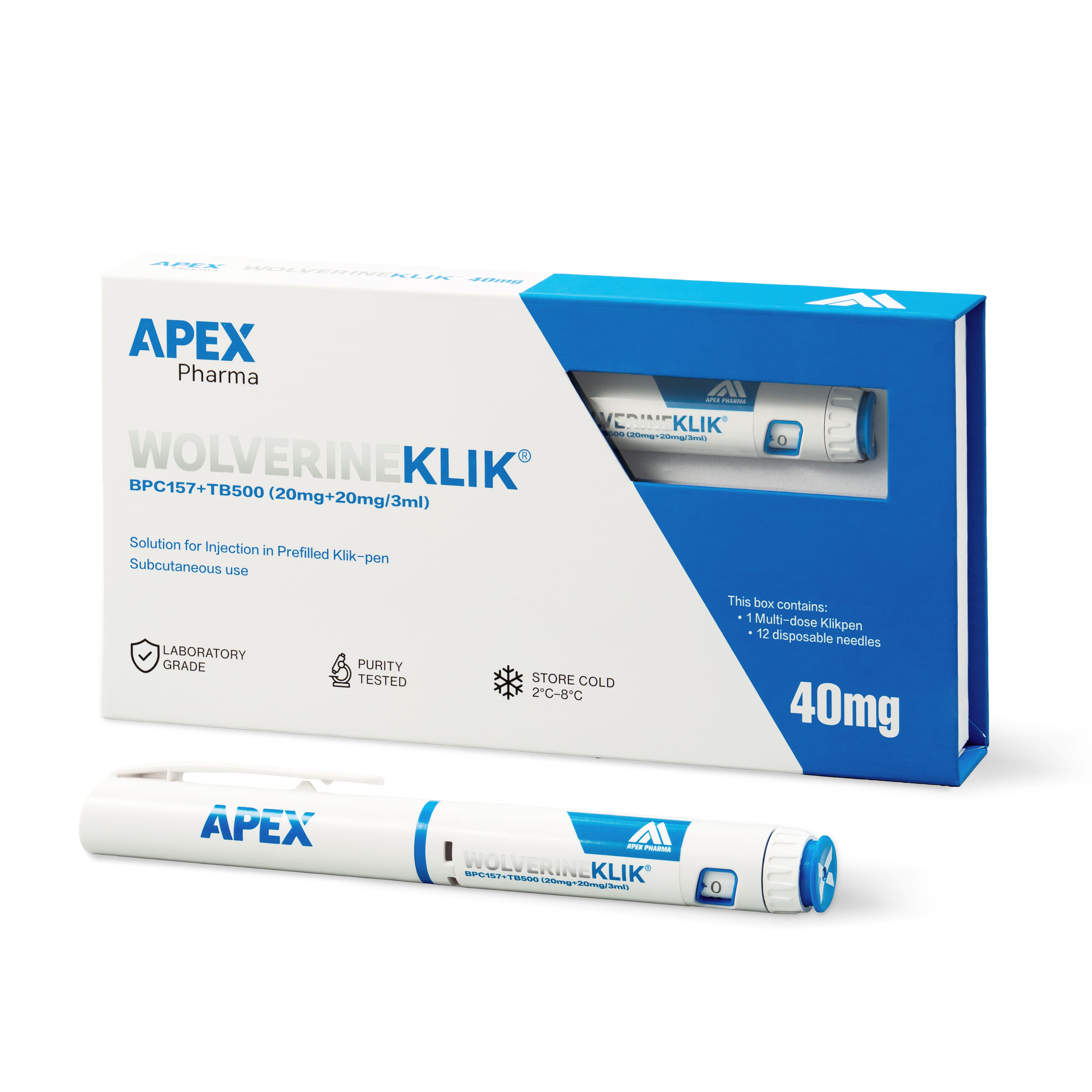
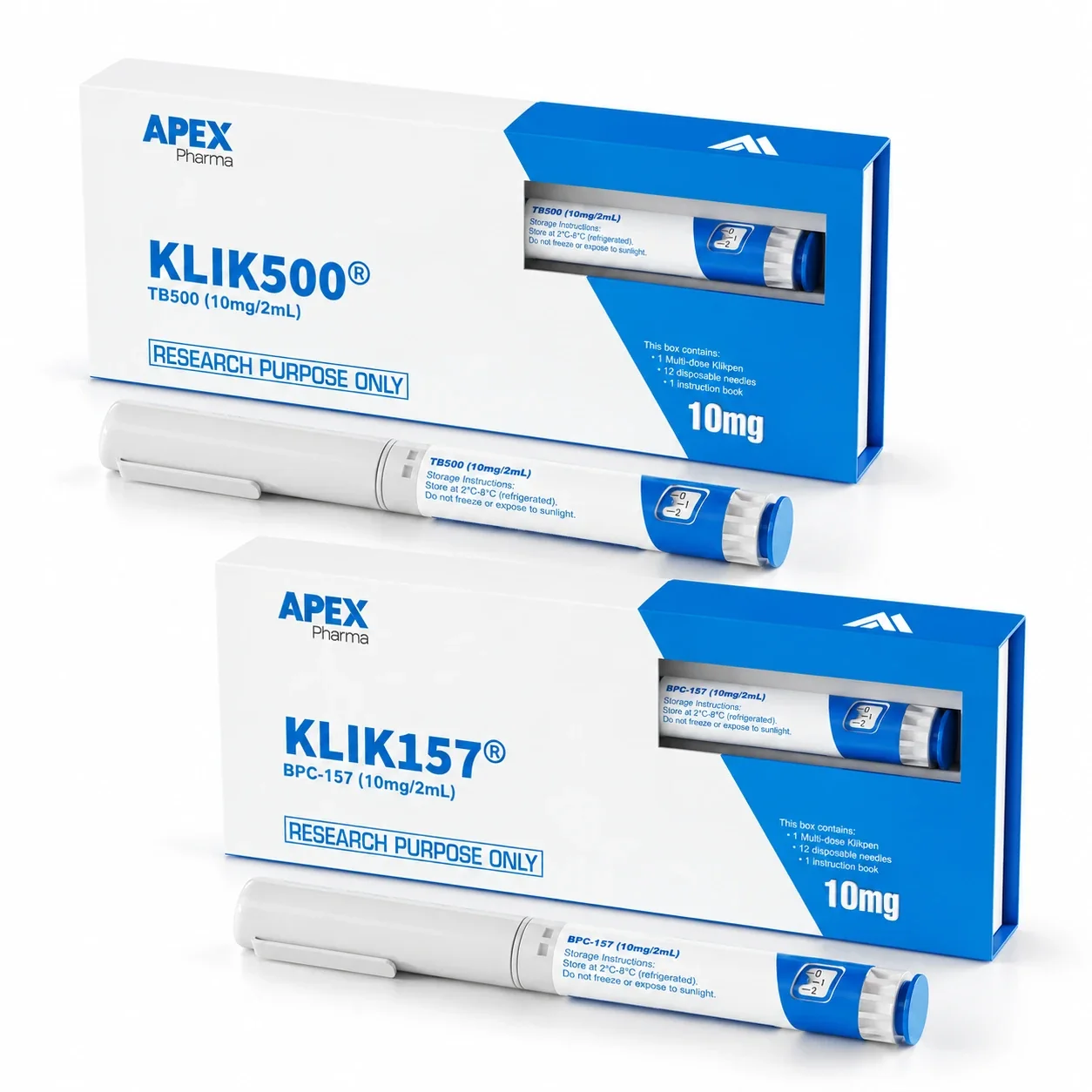
A lower price on a different item is not a saving; it is a different purchase. Take the Wolverine pen and the STRENGTH bundle. The Wolverine blend puts BPC-157 and TB-500 together in a single 3ml pen, while the STRENGTH bundle supplies them as two separate pens. Swapping one for the other because a code applies to one of them changes the material and the paperwork, not only the price.
The comparison tool is useful here because it lays listings side by side, but it does not tell you whether two listings suit the same project. That judgement stays with the researcher. If a field is blank, leave it blank rather than filling it from another listing to make the arithmetic work.
Test three: does the approval still cover it?
Approval for one order does not quietly stretch to a larger or different one. If the spend, the quantity or the product changes, follow whatever process your organisation uses for that. A time-limited offer is a reason to move promptly through your normal approval, not to skip it.
Keep the history honest too. If you correct your own calculation, say that it was your correction. Do not describe it as a price movement at the source.
Before checkout: a checklist and a note for your approver
The checklist
- The original order line is written down and dated.
- You can say whether the change is count, product or price basis.
- A line in the research plan explains any extra material.
- There is fridge space and a place in the stock log for the larger quantity.
- Any substitute product has been compared by name and contents, not by price alone.
- The approver has seen the revised total and the reason for it.
- The code was confirmed at checkout and the final basket total saved.
The approver note
You do not need a long memo. Four lines are enough:
Original request: [item, pack, quantity].
Revised request: [item, pack, quantity].
Reason for the change: [research plan change, or price only].
Open points: [anything still to confirm].
If the honest answer in the third line is "price only", that is a good sign you should keep the original order. It is a perfectly sound outcome, and it is better recorded than quietly skipped. Everything on the site is supplied for laboratory research use only, so the justification for any quantity should sit in the research plan.
Frequently asked questions
Should I order more just because a code is available?
Only if the project plan calls for more. A discount tells you about price, and price alone is not a reason to hold extra stock. If the plan has genuinely grown, update it first and then reorder.
Can I assume a code from an earlier order still applies?
No. Confirm any code at checkout every time and save the final total before you pay. Offers and their conditions can differ between orders, so treat each purchase as a fresh check.
What if the cheaper option is a different product?
Treat it as a new purchase. Compare the names, pack contents and whether a Certificate of Analysis is available for the batch, and bring the researcher back in before anything changes. A cheaper figure on a different item answers a budget question, not a suitability one.