Laboratory Peptides Checklist for Each Stage of an Order
Most ordering problems surface late. This laboratory peptides checklist follows an order from first brief to filed paperwork, so each check happens when it can still change the outcome.
Ordering problems are often noticed late: a batch number that does not match the report, a pen count that differs from the quote, a delivery nobody was in to receive. A laboratory peptides checklist is most useful when it follows the order through its life, so each check lands at the point where it can still change the outcome.
Below is one checklist split into five stages. Give every item an owner and somewhere to record the result, even if that is a single line in a shared sheet. Where something cannot be confirmed, write "open" instead of ticking it.
Stage 1: before you browse
Decide what you need before looking at any listing, or the first attractive page will set the brief for you.
- Write down the target material, the stated amount you need and the format.
- Note any documents your organisation requires before purchase.
- Name who approves the spend and who is allowed to receive the delivery.
- Check what your organisation's own rules say about buying this kind of material. The "research use only" wording on a listing describes how the item is supplied, and it does not replace your own review.
Stage 2: reading the listing
Separate what the page states from what you are inferring.
- Product name copied exactly, including whether it is a single peptide, a blend or a bundle.
- Amount and unit read in context: per pen, per component, in total.
- Whether a certificate of analysis is linked. Reports are published where one is available, and not every item or batch has one.
- Anything the page leaves blank, listed as a question rather than a guess.
Stage 3: quote and order confirmation
This is where small wording differences turn into real money.
- Does the item description on the quote match the listing you chose?
- Is the quantity expressed the way you meant it (pens, not just milligrams)?
- Is delivery shown as a separate line, and is it counted once?
- Does the confirmation use the same product name as the quote?
- Are any conditions attached, such as availability, written down?
Save the quote and the confirmation together. If either is worded differently from the other, ask whether the difference is a change or just a rephrase.
Stage 4: dispatch and delivery
Products from CLOVA ship cold, in discreet unbranded outer packaging, by tracked delivery. Orders paid before 1pm UK time on a weekday are dispatched the same working day, but dispatch day is not arrival day, so plan around the tracking, not the dispatch.
- Tracking reference saved against the order.
- Someone named to receive the parcel and put it into proper storage straight away.
- Delivery terms checked on the shipping and delivery page before you commit to a date.
- A follow-up date set in case tracking goes quiet.
Stage 5: receipt and filing
Check the parcel against the paperwork while the packaging is still in front of you.
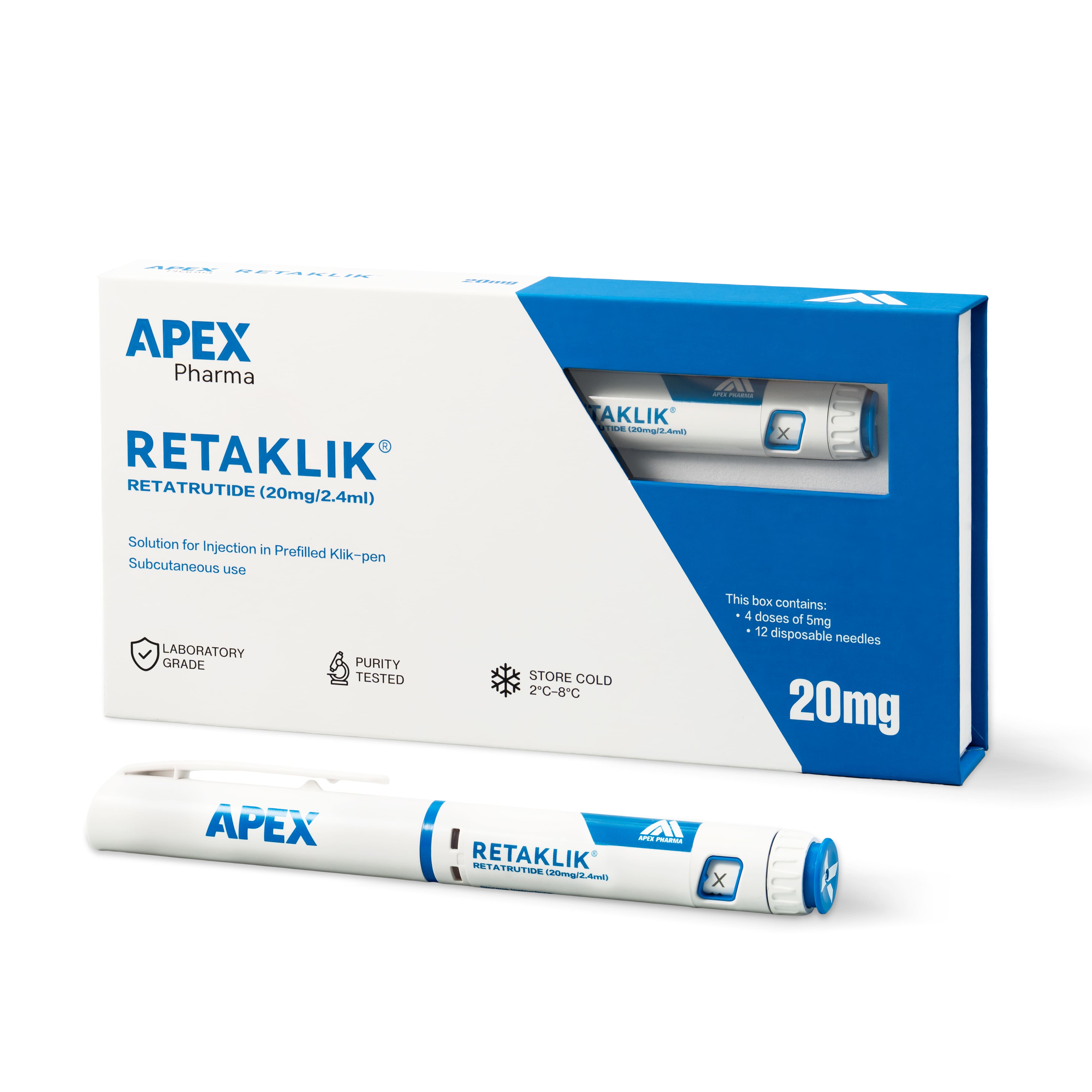
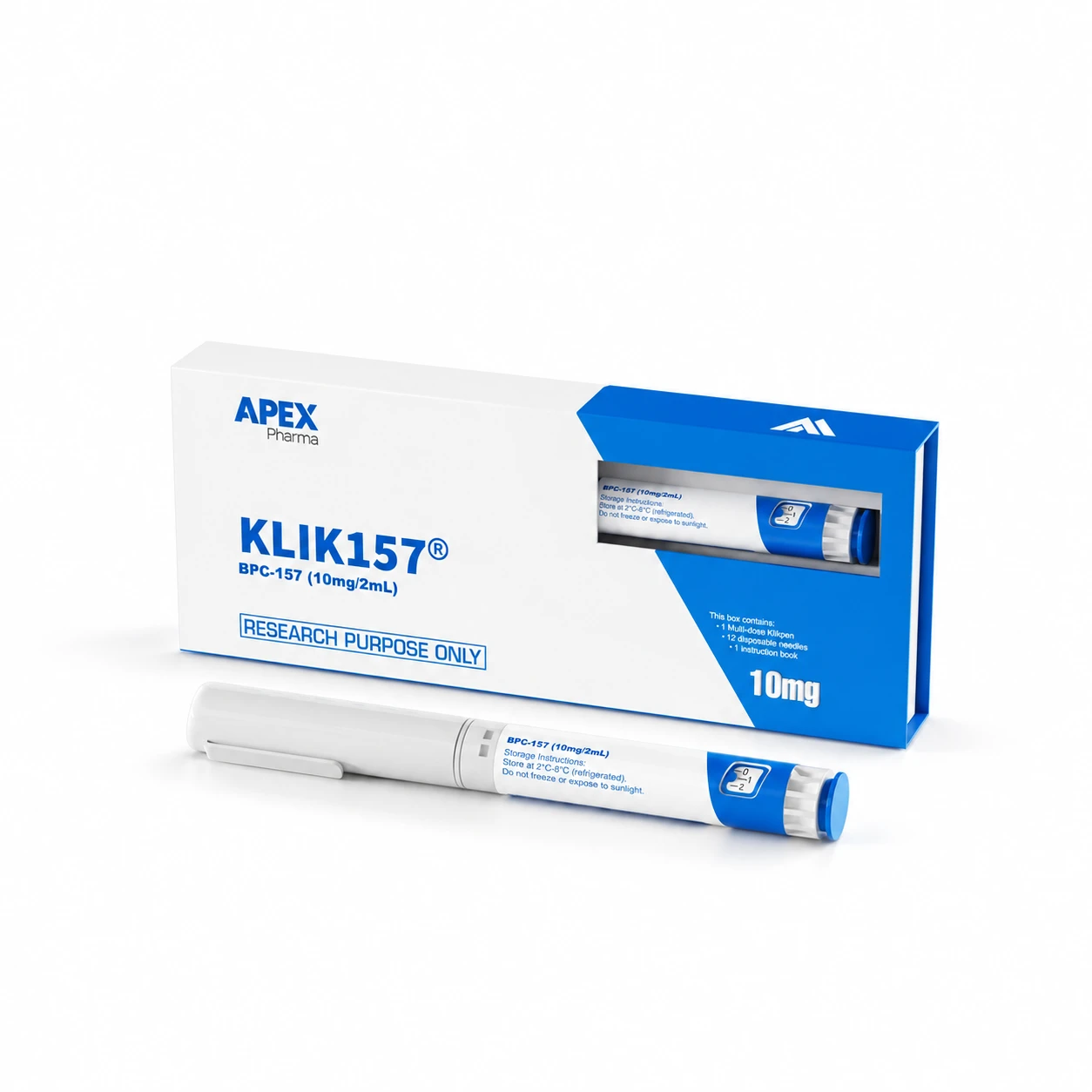
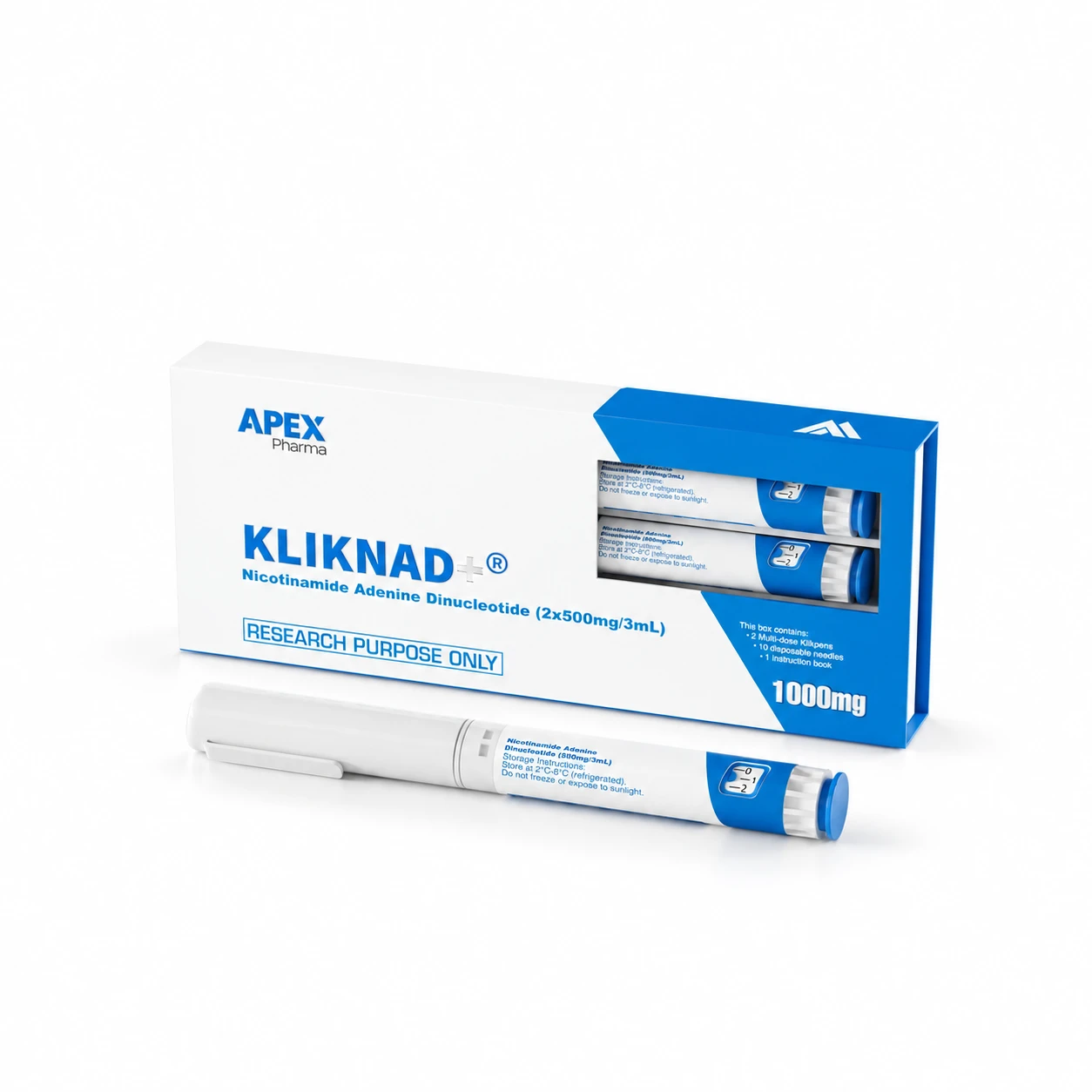
- Label name and batch number photographed and compared with the order.
- Pen count matches the confirmation.
- Stored at 2–8°C, not frozen and away from light, as set out in the storage guide.
- Report filed with the order, with a note of whether its batch number matches the label.
- Any discrepancy logged the same day, with dates, before you contact the supplier. The returns and refunds page explains what to do next.
Using the checklist day to day
A checklist works only if it is short enough to use. Print it, trim stages that do not apply to your organisation and keep one copy per order. At the end, ask whether a colleague could tell what was ordered, which documents were reviewed and why the item matched the brief.
Here is a typical catch. A buyer gets a listing with no lot reference and a report that looks right. The next step is to ask for the batch identifier and the matching record rather than assume an older document describes the current stock. Customer comments about service are a separate matter from analytical quality, and they cannot show that a report belongs to a particular batch.
Frequently asked questions
Do I need every stage for a small order?
Keep the stages and shrink the detail. Even a single-pen order benefits from matching the label to the confirmation and filing the report.
Who should own the checklist?
Whoever places the order. Receiving and filing items can be delegated, but one person should confirm the whole sheet is complete.
What if an item cannot be confirmed before I need to proceed?
Mark it open, record who accepted the risk and why, and revisit it on receipt. An honest "open" is more useful than a tick nobody can support.