Writing a Laboratory Peptide Specification Before You Browse
A one-page specification, written before anyone opens a catalogue, makes listings easier to compare and purchasing decisions easier to defend.
Browsing first and specifying later is how teams end up with an order that almost fits. A laboratory peptide specification flips that round: you write down what the work actually needs, then check each listing against it. The review becomes a matching exercise rather than a debate about which product page looks most convincing.
This article sets out the fields worth including, shows how a specification decides between a combined blend and separate single products, and suggests who should sign off which part. It suits UK labs where the person who defines the need and the person who places the order are not the same.
What goes on a one-page specification
Keep it short enough that people actually fill it in. One page, written by the researcher responsible for the work, is usually enough.
- The material or materials required, by name.
- The amount of each, and whether they must be supplied separately or may arrive combined.
- The documentation needed before acceptance, such as a Certificate of Analysis matched to the batch.
- The storage the lab can provide on arrival.
- The latest acceptable arrival date and any days the lab cannot receive deliveries.
- Who approves the technical fit and who approves the spend.
Leave out anything nobody will check. A field that is always left blank teaches people to skim the rest.
Matching the specification to real listings
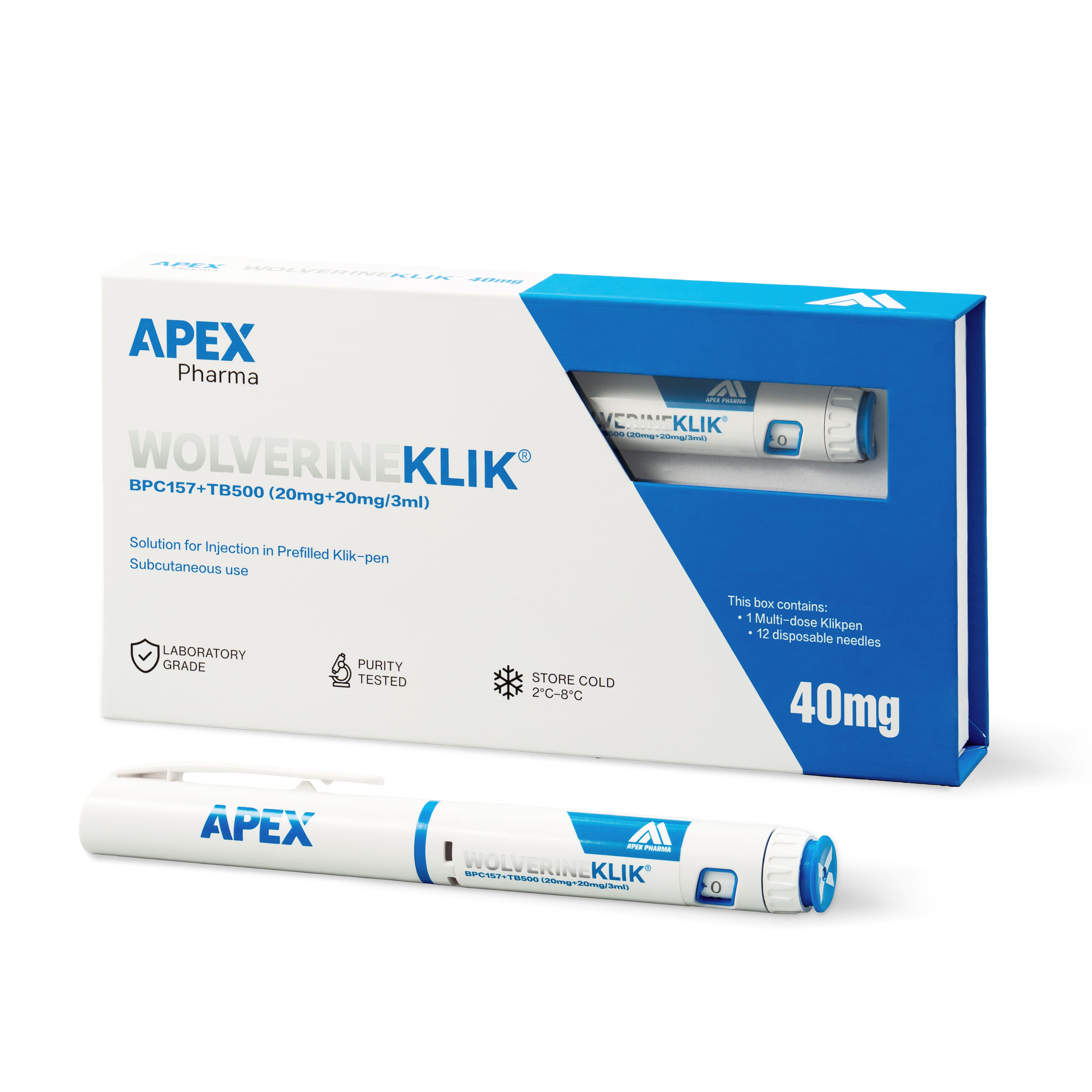
This is where the specification earns its keep. Take a request that names BPC-157 and TB-500. On CLOVA's catalogue, at least two listings could appear to fit.
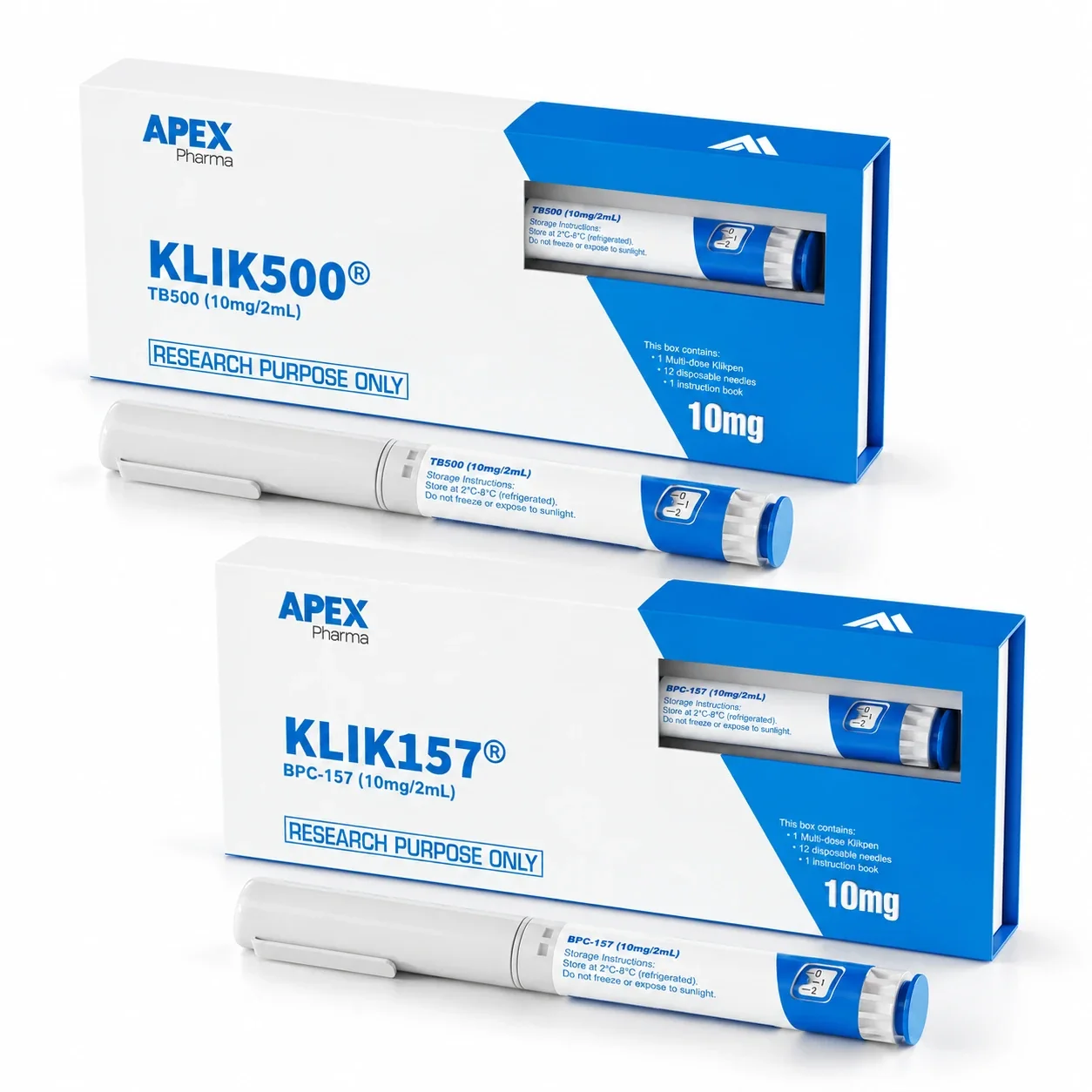
The Wolverine blend holds BPC-157 20mg and TB-500 20mg together in one 3ml pen. The STRENGTH bundle supplies TB-500 10mg/2mL and BPC-157 10mg/2mL as two separate pens. Same two materials, very different arrangements.
The specification settles it. If field 2 says the materials must be supplied separately, the blend is out, whatever else the page says. If combined supply is acceptable, the amounts in field 2 decide which listing fits. Without that written requirement, the choice tends to drift towards whichever page someone happened to open first.
Who signs off which part
A specification review usually has two owners. The researcher confirms technical fit: right material, right amount, right arrangement, acceptable documentation. Procurement confirms the commercial side: the listing is current, delivery fits the receiving dates and the spend is authorised.
Keep those sign-offs separate on the form. When one person ticks both, it's hard to tell later whether a mismatch was a technical judgement or a purchasing shortcut. The product comparison tool is handy at this stage for putting candidate listings side by side, but the decision about fit still belongs to the researcher.
When no listing matches exactly
Sometimes the honest outcome is that nothing on the shortlist fits. Record that, and say which field failed. "No listing supplies the two materials separately at the required amount" is far more useful than "not suitable".
Resist the temptation to edit the specification to match what happens to be available. If the requirement genuinely can change, the researcher should revise it and initial the change, so the file shows the need was reconsidered rather than quietly bent. Since CLOVA supplies these materials for laboratory research use only, the specification should also note that the work is lab-based and follows your organisation's own rules.
Frequently asked questions
Who should write the specification?
The researcher responsible for the work, because they know what the experiment needs. Procurement can supply the template and check every field is complete, but shouldn't decide technical fit.
Can one specification cover several products?
Yes, as long as each material has its own line for amount, arrangement and documentation. Folding them into one sentence makes it easy to miss that one item fits and another doesn't.
How detailed should the documentation field be?
Detailed enough to check. "Certificate of Analysis with a batch number matching the label" can be checked; "good documentation" cannot. Reports are published where available, so confirm one exists for your batch before marking the field as met.