Research Peptides Price Comparison UK: Is Each Figure Still Current?
A price copied last month may no longer answer today's question. Record the date, source and stage of every figure so your comparison holds up.

A research peptides price comparison in the UK usually goes wrong in the inputs, not the arithmetic. Two figures sit side by side in a spreadsheet: one from a shop page seen three weeks ago, the other from an emailed reply to a slightly different request. Both are real. They just are not comparable.
The fix is a small discipline. Give every price a date and a stage before it goes into the sheet, and the comparison becomes something you can defend.
Three kinds of figure
Not every price carries the same weight. It helps to sort what you have into three groups.
- Listing display. What a product page showed on the day you looked. Good for early planning.
- Planning reply. An informal answer to an enquiry. Useful for budgeting, but tied to the question you asked.
- Confirmed for this request. A total checked against the exact order you intend to place, such as at checkout or on an order confirmation.
Each supports a different decision. If they share a column without labels, the sheet looks more precise than it is.
What to log beside each price
A figure on its own loses meaning quickly. Keep these details next to it:
- where the figure came from and the date you saw it
- its stage: display, planning reply or confirmed
- the exact listing name and stated amount
- what you are actually buying, such as how many pens and what each contains
- delivery charges, shown on their own line
- anything unknown, written as unknown
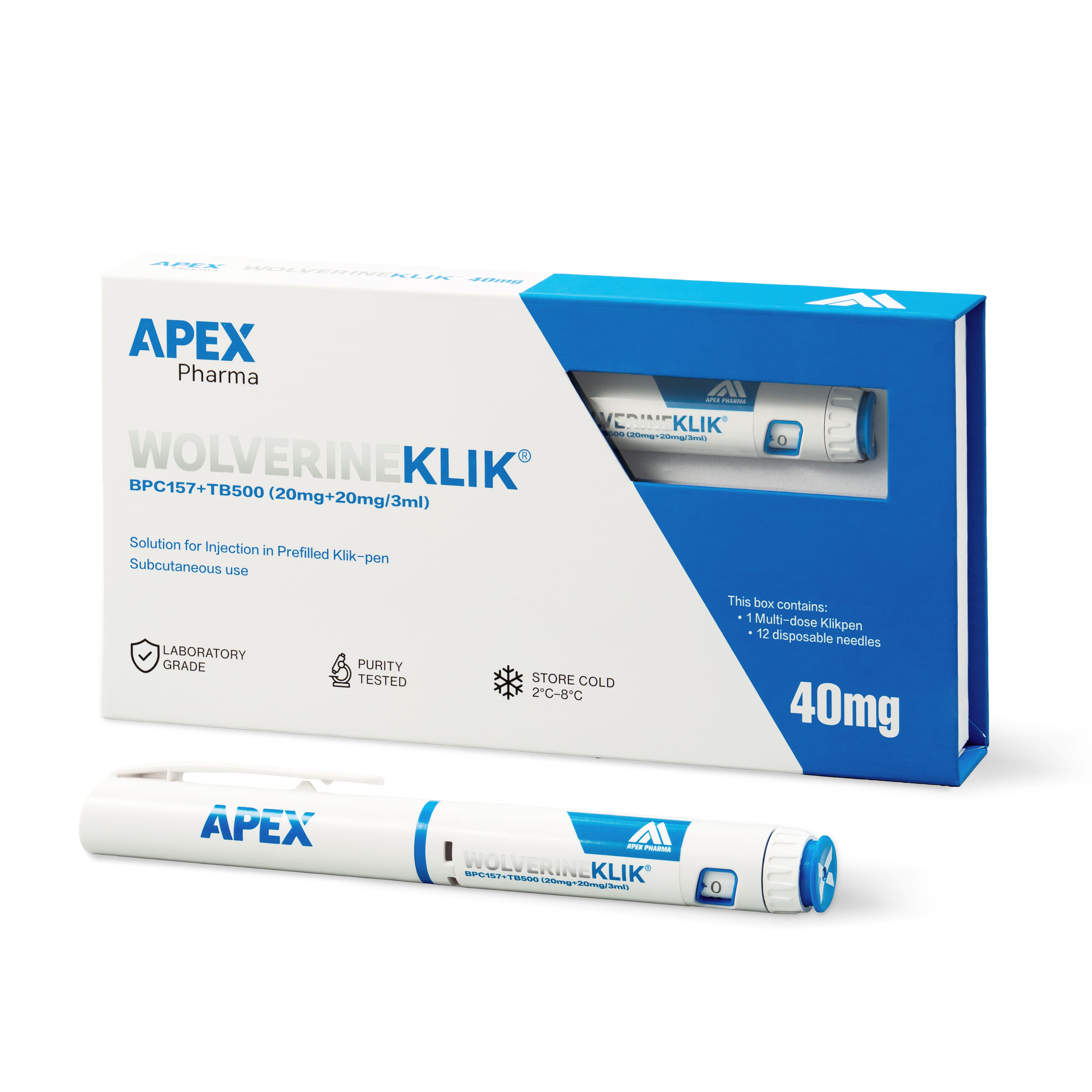
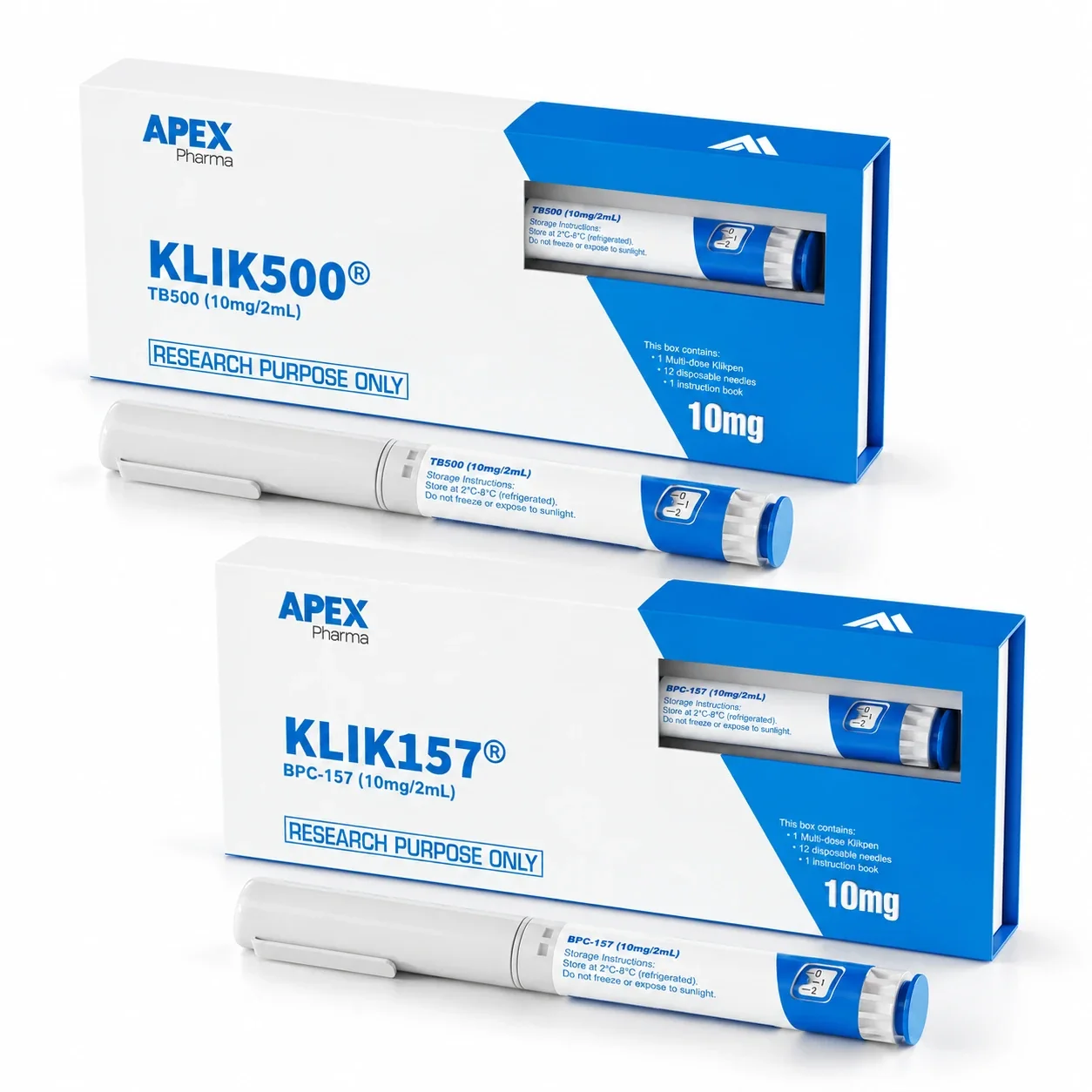
The pack description deserves particular care. The Wolverine blend is a single 3ml pen with 40mg in total, while the STRENGTH bundle is two separate pens. A price for one is not a price for the other, even though both involve BPC-157 and TB-500. The comparison tool can keep selected descriptions together on one screen. It lays them out; it does not make them equivalent.
Delivery has its own basis, so take its figures from the delivery information page, not from a total you have worked backwards from.
When your request changes, the old price is stale
A common scenario: the first enquiry asked about one pen of a single peptide. Later, the plan grows to a pair. The earlier reply answered the first question, not the second, so a different total is not necessarily the supplier changing its mind.
Say so in the note before anyone attributes the difference to the source. Accurate comparison needs the history of what was asked as well as the numbers that came back.
When you cannot compare yet, say so
Sometimes one candidate has a clear item count and another has an unresolved pack description. The temptation is to invent a matching count and calculate a saving. Resist it.
Write "not yet comparable: pack description unclear for listing B" instead, and name the information that would fix it. That entry is more useful to an approver than a tidy figure resting on a guess. It also stops a lower number being called a saving when the two lines describe different things.
Dividing a price by a stated amount has the same limit. The result does not confirm the amount and says nothing about whether the material suits the project. Technical questions, such as whether a report is available for the batch you will receive, sit beside the price. The certificates page shows what has been published.
Frequently asked questions
How old can a price be before I refresh it?
There is no fixed rule. Refresh figures before any purchase request goes for approval, and confirm the total at checkout in the shop, since a saved page only shows what was displayed on one day.
Should delivery be part of the comparison?
Yes, as a separate line. Delivery charges have their own basis, and keeping them apart shows whether a difference comes from the product or from the logistics.
Is the lowest price the best buy?
Only if the items being compared are the same thing, described the same way. If the listings differ in pack format, amount or documentation, the cheapest line may not answer your brief at all.