Wolverine or GLOW? Let the Research Brief Make the Call
GLOW names a third component beside the BPC-157 and TB-500 pair, but more ingredients is not a better product. Here is how to choose using your brief.

Wolverine and GLOW are two different combined listings, not a basic and a premium version of the same product. If you are trying to settle Wolverine vs GLOW blend for a project, the most useful early answer is a catalogue distinction: GLOW names a third component, GHK-Cu, alongside the BPC-157 and TB-500 pairing. What that means for you depends entirely on what your brief says.
Ingredient count alone proves nothing about which pen suits a given piece of research. The sensible route is to read your brief first, then see which listing it describes.
Two pens, two sets of named components
Here is what each listing states, taken from the product records:
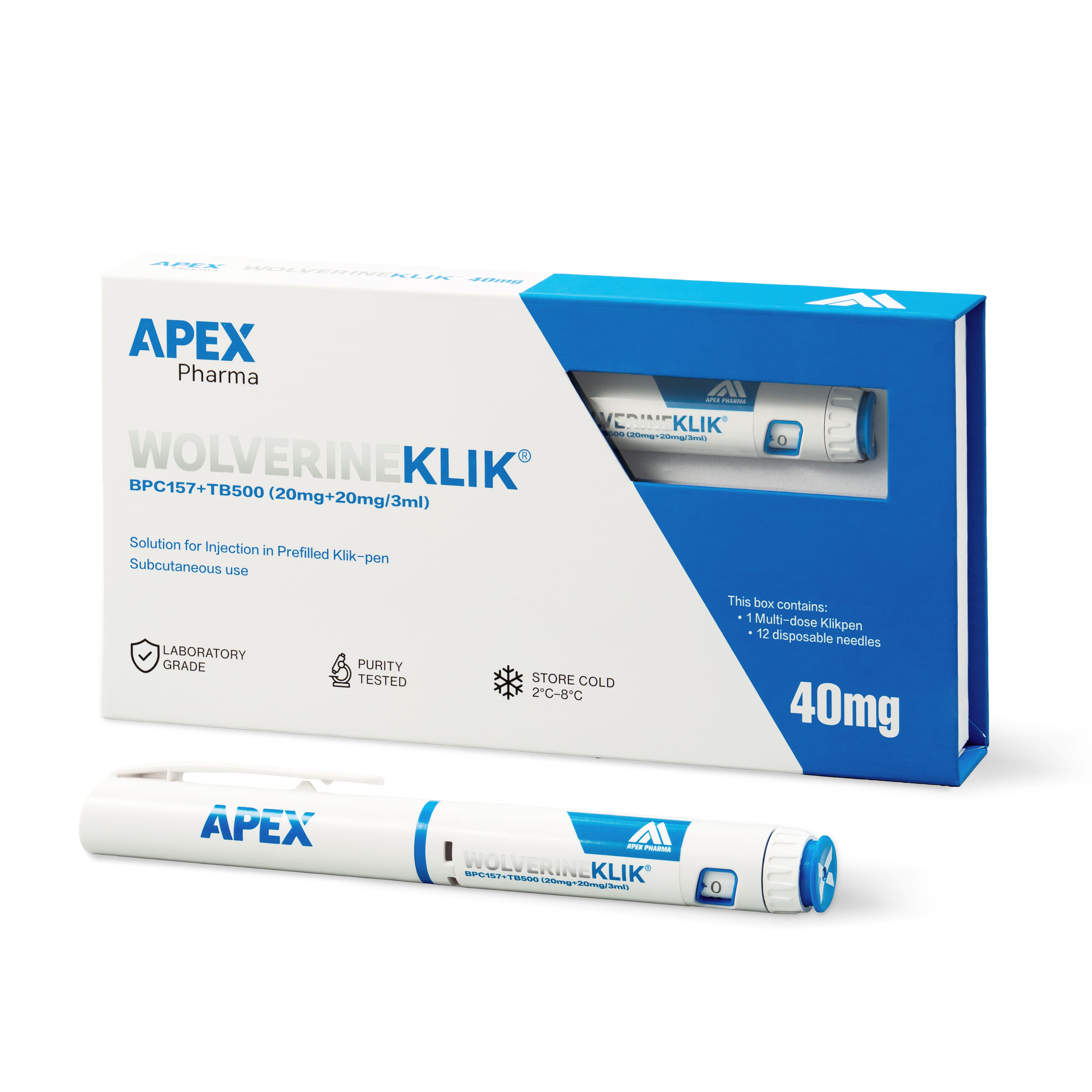
- Wolverine: BPC-157 20mg and TB-500 20mg in one 3ml pen, 40mg in total. The label name is WOLVERINEKLIK.
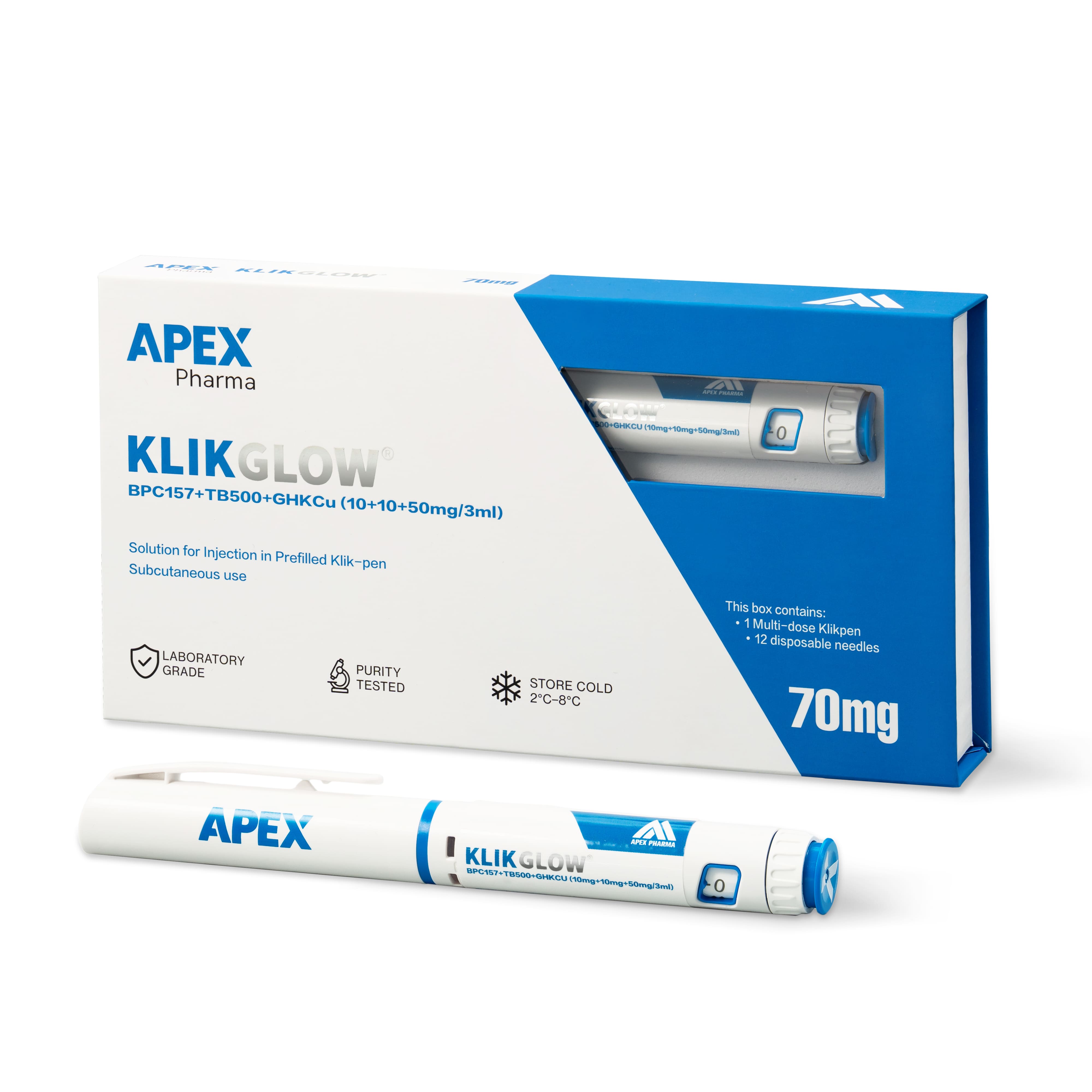
- GLOW: BPC-157 10mg, TB-500 10mg and GHK-Cu 50mg in one 3ml pen, 70mg in total. The label name is KLIKGLOW.
Keep those records separate in your file. Do not complete one description by borrowing amounts from the other, or from a single-peptide listing. If your project needs a figure that the page does not give, ask for it for the exact pen you are considering.
Start from the question, not the ingredient count
A brief should say what the work needs to establish. Purchasing should not pick an available item and then write a justification around it. Run your brief past three situations:
- It names only BPC-157 and TB-500. The Wolverine record is the closer match. Choosing GLOW would add a material the brief does not mention, which is a change to the proposal and should be recorded as one.
- It names all three. GLOW is the listing that names all three. Evidence about the pairing alone will not settle a question about the full combination.
- It does not say. Stop, and go back to the researcher. An unclear brief cannot be matched to either page, and guessing is how mismatched orders happen.
Neither route is a ladder. Each simply reflects the scope of the work.
Do not read an interaction into a shared name
Putting ingredients in the same pen, or the same product name, does not tell you how they behave together, whether they stay stable in a supplied presentation, or what any result would be. Those would be separate questions needing evidence about their own subjects.
A comparison that makes the extra component look like an automatic plus is manufacturing a claim. Treat the third name as a new descriptive question for the technical reviewer, and leave it as a question until someone with the right expertise has answered it.
A small example
Consider a lab whose literature brief covers a three-material question, but whose purchasing note abbreviates both candidates to "the BPC and TB pair". Correcting that note matters because it restores a difference the research question needs. A tidy table that erases the third component would look consistent and be less accurate.
Honest gaps are part of the same discipline. An unknown amount should not become zero, an assumed equal share or a number copied from a different page.
Checklist before you pick
- Does the brief name each material the pen contains, and none it does not?
- Do the amounts on the product page matter to the brief, and if so, do they match?
- Is there a report for the listing on the Certificates of Analysis page or the product page, and does its batch number match your label once stock arrives?
- Who is the named person who decides that the choice fits the brief?
- Have you recorded what the page said and when you read it?
Both pens are supplied for laboratory research use only. To see them side by side, the comparison tool lines up names and contents, though it cannot tell you which one your project calls for.
Frequently asked questions
Is GLOW a stronger version of Wolverine?
No. It is a different listing with a different component list. The extra named ingredient changes the description of the product, not its rank, and nothing in the catalogue entry ranks one above the other.
Can I substitute one for the other if my first choice is unavailable?
Treat it as a new proposal. The components and amounts are different, so any approval and any documents you gathered for the first pen should not be assumed to carry across.
What should I ask CLOVA if I am still unsure?
Ask about the difference that could change your decision, for example which report applies to the pen you are considering. A general request for "the better product" gives the supplier nothing to answer.