MOTS-c vs NAD+ for Research, Different Materials, Different Briefs
MOTS-c is a peptide and NAD+ is a coenzyme, so one listing cannot answer the other's question. A short test helps you decide what your brief actually needs.
MOTS-c vs NAD+ research comparisons usually begin with a shared theme and end up treating two quite different materials as alternatives. They are not. MOTS-c is a peptide, described in the primary literature as a mitochondrial-derived peptide. NAD+ is a coenzyme. A listing for one cannot answer a question that belongs to the other.
For a buyer, the practical consequence is that the research brief should decide which listing goes in the basket, not the other way round. This article explains how to tell the two apart, why their label amounts cannot be compared, and a short test to apply before ordering either.
What kind of material is each one?
The original description of MOTS-c comes from a 2015 paper by Lee and colleagues in Cell Metabolism. It is useful background on the peptide's research identity, but its findings belong to the experimental settings the authors examined. It is not a statement about any commercial product, including CLOVA's MOTS-c 10mg listing.
NAD+, by contrast, is a coenzyme, and standard reference works treat it as one. Background of that kind helps you define the subject. It does not authenticate a particular supply, which is a separate question answered by batch-level paperwork.
Why 10mg and 1000mg are not a like-for-like comparison
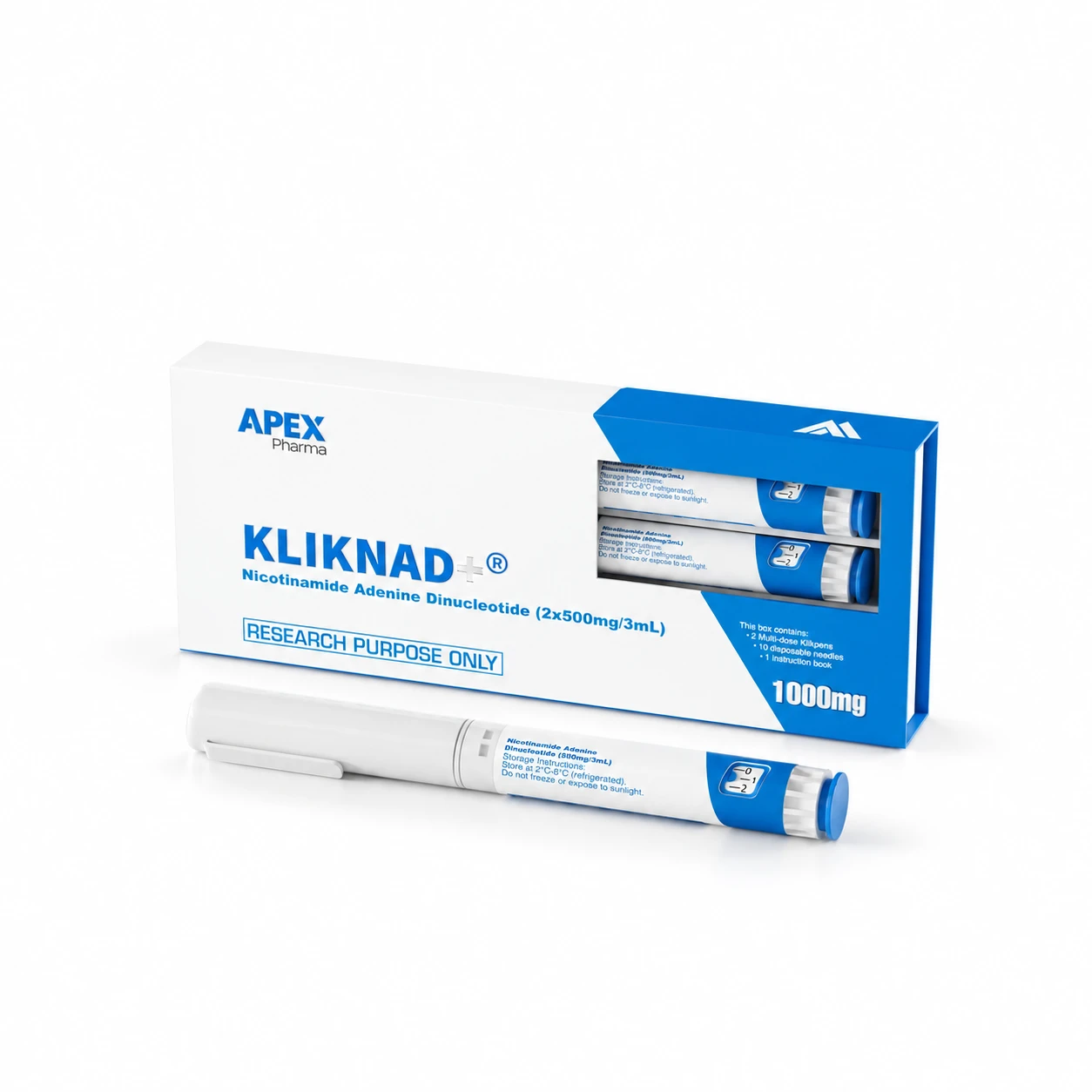
CLOVA lists MOTS-c at 10mg and NAD+ at 1000mg. It is tempting to line those up and read the larger number as "more" of something. Resist that. These are label amounts for two unrelated materials, and the gap between them is not a measure of research value or of anything else.
A catalogue comparison gives you no conversion and no experimental allocation either. What a project needs is a matter for its own design and the people running it. The product comparison tool is handy for putting listing details side by side, but it cannot tell you which material your question requires.
A three-question test before either goes in the basket
- What is the specific question, in your own words, that this material would help you ask?
- What record, measurement or source would count as an answer?
- Is that question genuinely separate from the one the other material addresses?
If you can answer all three for MOTS-c and none of them for NAD+, the brief needs only one listing. If both survive, treat them as two requests with two rationales, rather than one bundle justified by a shared theme.
Don't confuse the paper's subject with the catalogue item
A study describes the material its authors used. A listing describes what a supplier offers. The two are linked only when a document establishes the link, and "same name" is not a document. Keep a line in your notes that says which is which.
When you are ready to ask about a specific listing, identify it precisely and say what is missing. Ask where Certificates of Analysis are published and whether a report exists for the batch you would receive, then compare the batch number on the label with the report. A supplier can answer those questions quickly. Choosing your scientific direction is not something to expect from a shop, and interpreting the paperwork stays with your own researchers.
Keeping the comparison note proportionate
A sound note explains why the two materials differ and which question you intend to pursue. It does not call one better, and it does not imply that using them together would show anything. Each of those would be a separate claim needing its own evidence.
Frequently asked questions
Can one listing stand in for the other?
No. They are different kinds of material, so a listing for one cannot answer a question about the other. If your brief involves both, record them as two separate requests.
Does CLOVA say what either material does?
No. Both are supplied for laboratory research use only, and the listings make no claims about outcomes. Any scientific interpretation belongs to your researchers and the primary literature.
Which document should I ask for?
Check whether a Certificate of Analysis has been published for the product, and match the batch number on the label to it. Not every product or batch has a report, so confirm availability for the one you are considering.