BPC-157 or Wolverine? Mapping the Evidence Behind Each Purchase
Two folders of attachments do not make a fair comparison. Map each document to the question it answers and the gaps between BPC-157 and Wolverine become obvious.
Picture two folders on a shared drive, one for a single BPC-157 pen and one for the Wolverine blend. Each holds a product page, a certificate and a couple of papers. On a quick glance they look equally well documented. Comparing BPC-157 vs Wolverine evidence properly means asking a sharper question: which of those documents actually describes the thing you are about to buy?
The answer is often fewer than you expect. A paper about one peptide is not a paper about a blend, and a certificate for one product says nothing about another. This article shows how to build a simple evidence map so that each document is credited only with what it covers.
Three questions a document can answer
Almost every document in a purchasing file answers one of three questions. Sorting by question, rather than by file type, is what makes the comparison fair.
What is this product? The listing and the label answer this. They tell you the stated contents, the pen volume and the label name.
What does this batch contain? A Certificate of Analysis answers this, but only for the batch it names. It is batch-specific by design.
What is known about the compound in general? Published literature answers this, and only for the material that was studied. It is background, not a description of a commercial product.
Building the map for BPC-157 and Wolverine
Lay the two options side by side and fill each cell only from a document that genuinely covers it. A starting grid might look like this:
| Question | BPC-157 single pen | Wolverine blend |
|---|---|---|
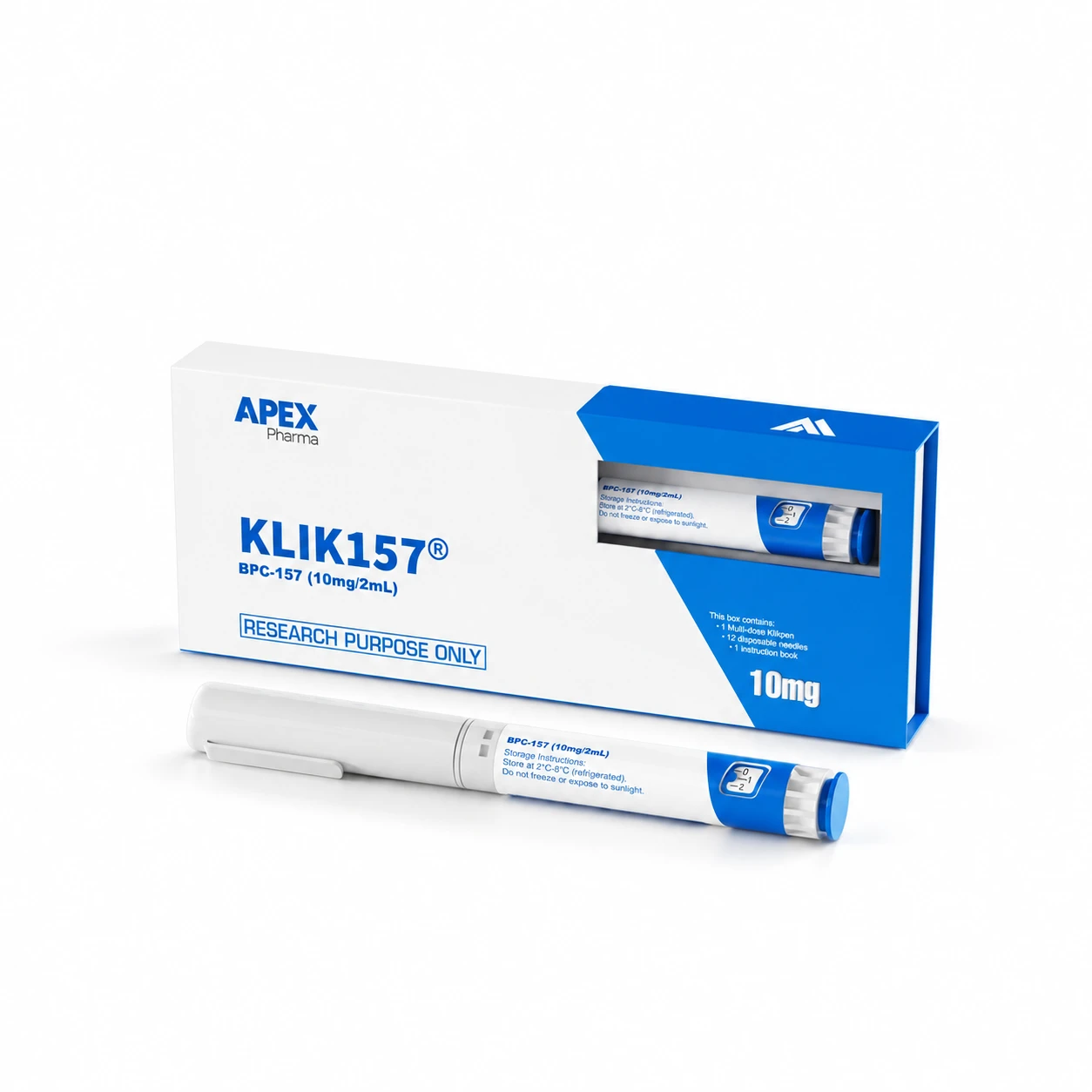
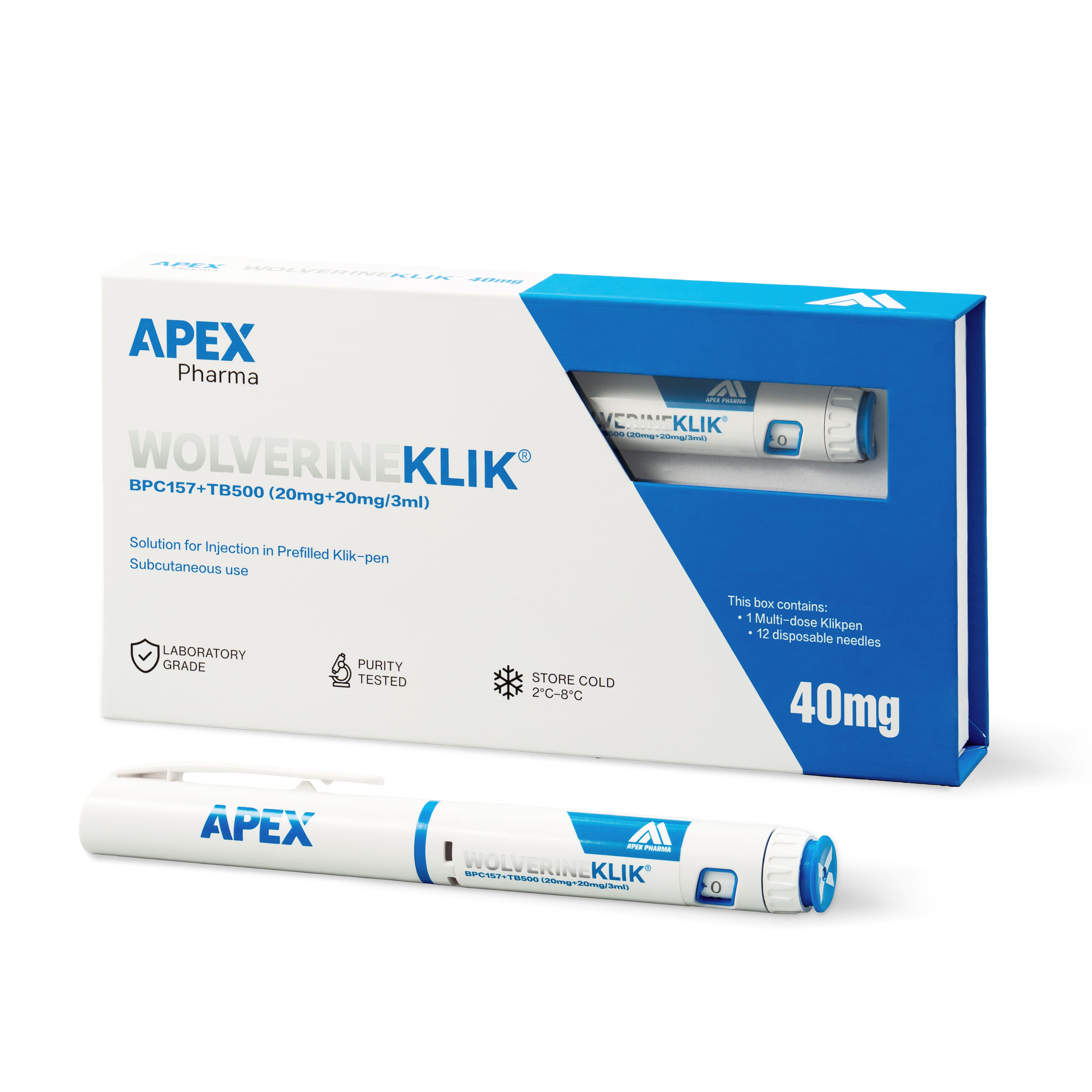
| Stated contents | BPC-157 10mg | BPC-157 20mg + TB-500 20mg, 3ml pen |
| Label name | KLIK157 | WOLVERINEKLIK |
| Batch report | CoA for that batch, where published | CoA for the blend batch, where published |
| Background reading | Papers on BPC-157 | Papers on each peptide separately, which do not describe the blend |
The first two rows come straight from the BPC-157 10mg listing and the Wolverine BPC-157 + TB-500 listing. The third row comes from CLOVA's Certificates of Analysis page, where reports are published when available. Match the batch number on the label to the report before you rely on it.
The last row is where the two options really differ. Background reading about BPC-157 sits fairly close to a single BPC-157 pen. For the blend, the same reading describes only one of two components, and says nothing about the two together.
Where evidence comparisons usually go wrong
Most mistakes come from borrowing. A report for the single BPC-157 pen ends up in the Wolverine folder because both names contain "BPC-157". A paper on TB-500 gets filed as support for the blend. Neither move is dishonest, but both quietly inflate one side of the comparison.
The other common mistake is scoring by volume. Three loosely related papers do not outweigh one batch report that directly covers the product. If you use a scoring sheet, score each question separately and leave a cell empty when nothing answers it.
Both options are supplied for research use only, so keep the map focused on material questions. Claims about what either product might do belong outside a purchasing file.
A quick check before you decide
Before choosing between the two, run through this list:
- Every cell in the grid cites a specific document, not a general impression.
- No document appears under the wrong product.
- Each batch report has been matched to a batch number, or marked as pending.
- Background papers are labelled as background, with the compound studied noted.
- Empty cells are left empty and listed as open questions.
If the open questions affect your decision, that is your next enquiry. If they do not, you can choose with a clear conscience and a file that the next colleague can follow.
Frequently asked questions
Can I use a BPC-157 certificate to support a Wolverine purchase?
No. A certificate covers the specific batch of the specific product it names. The Wolverine blend needs its own batch report, matched by the batch number on its label.
Is the Wolverine blend better documented because it contains two peptides?
Not necessarily. Two named components mean more questions to answer, not more answers. Judge each option by how well its own documents cover the three questions above.
What should I do with papers that only discuss one peptide?
Keep them as background and note which compound they studied. They are useful context for the brief, but they should not appear in the batch report or product identity rows of your map.