Peptide Batch Traceability, From Test Report to Your Lab Fridge
A certificate is a snapshot of one tested sample. Here are the links that connect it to the stock you receive, and the part of the chain that sits with you.
A Certificate of Analysis is a snapshot. It records what one laboratory found when it tested one sample on one date. Peptide batch traceability is something wider: the chain of records that connects that tested sample to the pen sitting in your fridge.
Most of the time the two line up neatly. But they are different things, and treating a good report as if it vouched for the whole chain is one of the most common mistakes in research purchasing. A report can be accurate in every detail while another link, such as the batch number or the way the parcel was handled on arrival, has gone unchecked.
A test report is a snapshot of one sample
Every result on a certificate refers to the sample described at the top of the page. That is what makes it useful, and also what limits it. The report cannot tell you which batch your delivery came from, how the stock travelled or where it was kept after it reached you.
None of this is a weakness in the report. It simply means the report is one link, and you need the others too.
The five links between a tested sample and your stock
Think of traceability as five connections. Each one can be checked separately.
- Sample to batch. The report should state which batch or lot the tested sample came from.
- Batch to label. The same batch reference should appear on the label of the pen you receive.
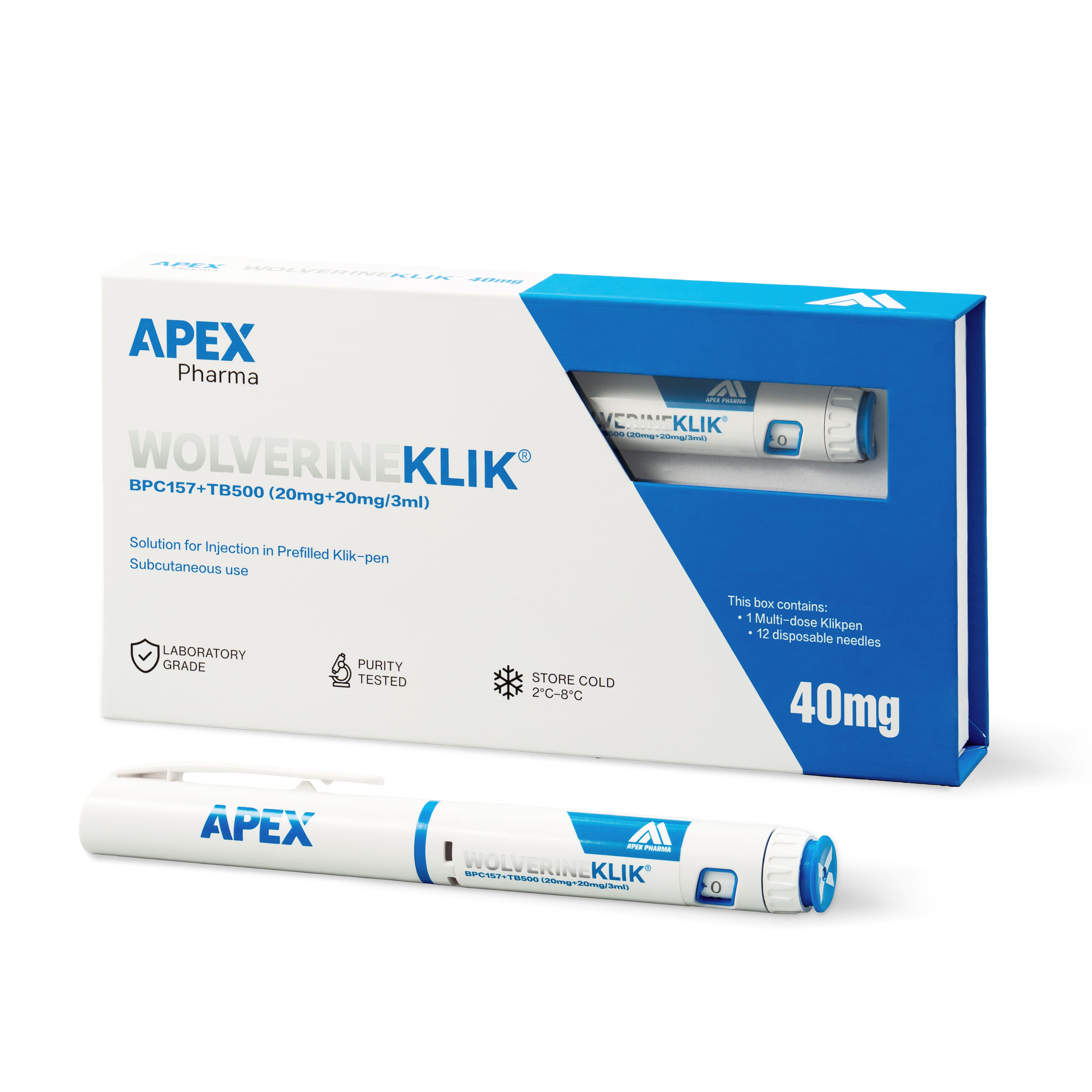
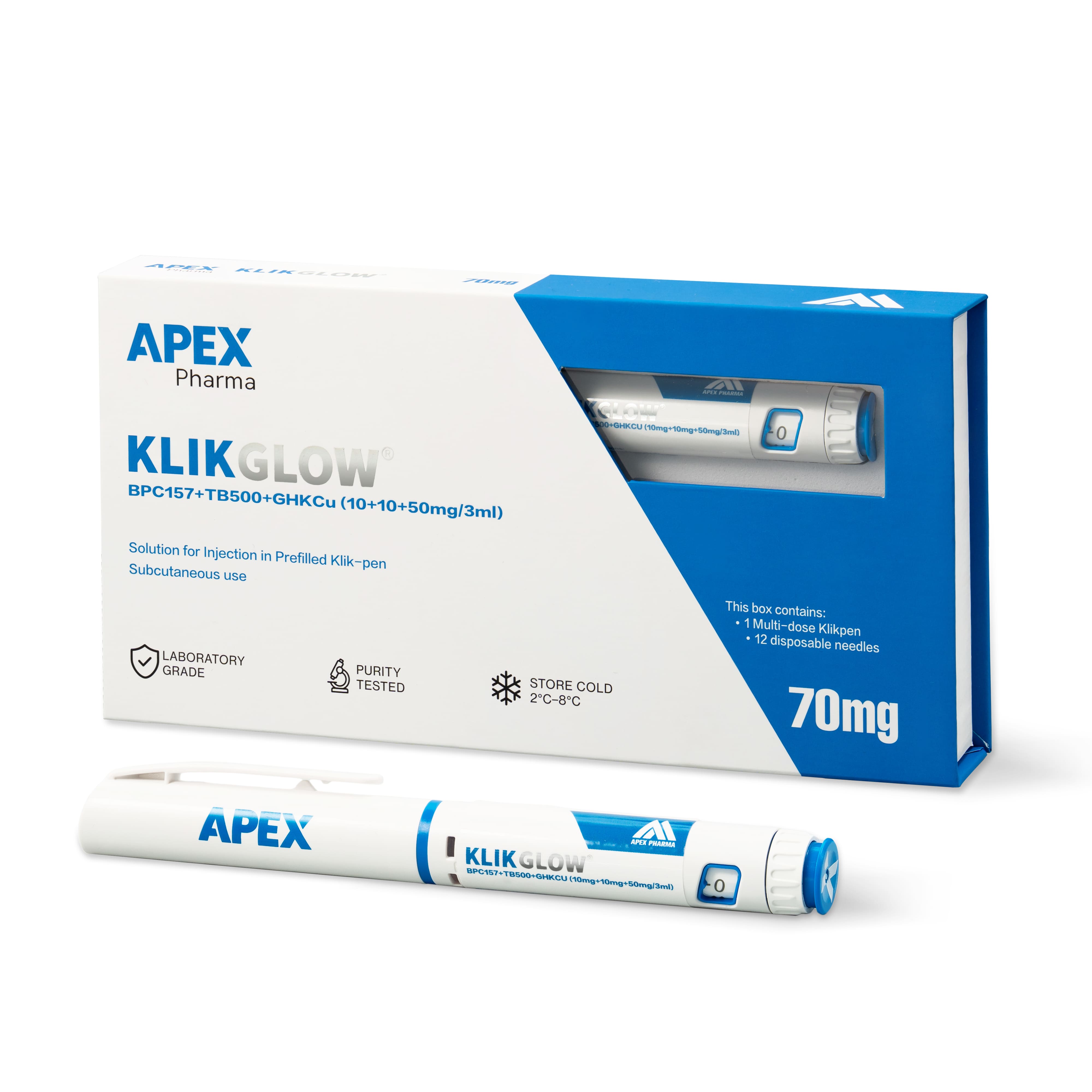
- Label to listing. The label name and stated amounts should match what you ordered. The Wolverine blend, for example, is labelled WOLVERINEKLIK, and GLOW is labelled KLIKGLOW.
- Dispatch to delivery. CLOVA ships cold, by tracked delivery, in discreet unbranded outer packaging. Tracking tells you when the parcel will arrive so someone can be there for it.
- Delivery to storage. Once the parcel is in your hands, the material should go into storage at 2 to 8°C, not frozen and kept away from light.
The first three links are about records. The last two are about handling. A certificate speaks only to the first.
The part of the chain that sits with you
The final link is entirely in your hands, and it is the one most easily overlooked. Picture a delivery that matches its report perfectly but sits unopened in a warm post room until someone notices it. The report is still accurate. It just has nothing to say about what happened after the parcel arrived.
Orders paid before 1pm UK time on a weekday are dispatched the same working day, so you can usually plan receipt with some precision. The delivery information page sets out how dispatch and tracking work, and the storage guide covers conditions once the stock is with you. Make sure the person receiving the parcel knows it needs to go straight into cold storage.
Building a traceability record for each delivery
A short record per delivery joins the links together. Because the material is supplied for research use only, your organisation may also expect this record as part of its receiving procedures. Capture:
- the order reference and the listing name
- the label name and batch number exactly as printed
- the matching report reference from the COA page, or "no match found yet"
- the date and time the parcel arrived, and who received it
- the condition on arrival, such as whether it was still cold and the packaging intact
- where the stock was stored, and confirmation that storage is at 2 to 8°C
With that record in place, anyone reviewing the file later can follow the chain from report to shelf without having to guess.
When one link is missing
Sometimes a link will not connect. The label batch number may not appear on any published report, or the parcel may have arrived later than expected. Record the gap plainly rather than filling it with the nearest match, then raise a specific question with the supplier.
Keep the other links intact while you wait. A missing report does not undo a well-documented delivery, and a smooth delivery does not fill a missing report.
Frequently asked questions
Does a COA cover every unit in a batch?
A certificate reports results for the sample that was tested. Whether that sample represents the batch depends on how it was drawn, which is outside what most readers can check. What you can confirm is that the batch reference on the report matches the one on your label.
Does the certificate say anything about how the stock was stored?
No. It describes the sample at the time of testing. Conditions during delivery and in your own storage are separate links, recorded through tracking and your receiving log.
What should we record if the label batch number isn't on any report?
Record the batch number as printed and mark the report match as open. Then ask the supplier whether a report exists for that batch. Avoid attaching a report for a different batch as a placeholder.