Logging a Research Peptide Delivery in the First Five Minutes
The first few minutes after a parcel arrives decide whether you can later show what came, when and who checked it. Here is a receiving log that holds up.

Laboratory peptides UK delivery does not finish when the courier hands over the box. What happens in the next few minutes decides whether, weeks later, you can show exactly what arrived, when it arrived and who checked it. A tidy receiving record costs very little and saves a lot of awkward reconstruction.
This article is about that record: what to write down at the goods-in desk, how to tie a parcel back to your order and to a report, and what to do when an entry does not match. Timing questions, such as dispatch cut-offs and carrier estimates, sit on the delivery information page.
What belongs in a receiving log entry?
Keep the entry to facts you can see or read. It should take about five minutes and cover:
- Date, time and the name of the person who received the parcel.
- The order reference from your confirmation, plus the tracking reference.
- The condition of the outer packaging as found, with a photo if anything looks unusual.
- Items received against items ordered: how many pens, and which products.
- The product name exactly as printed on each label, and the batch number.
- The time the items went into storage, and where (fridge name or number).
- The result of your report check: matched, different batch, or none found.
- The checker's initials, and a second signature if your organisation asks for one.
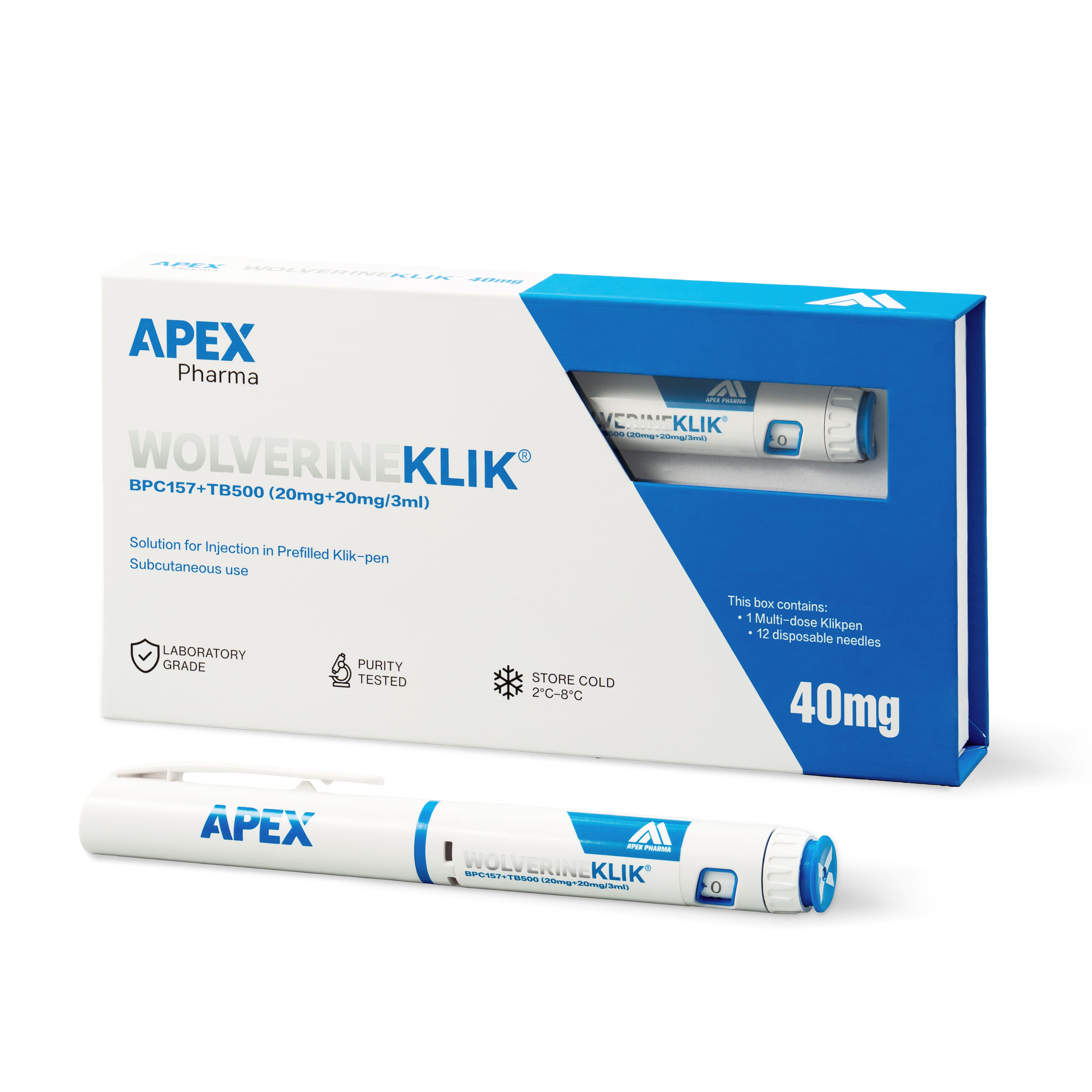
Copy label text as it appears, even when it differs from the shop listing. The Wolverine pen, for example, carries the label name WOLVERINEKLIK, and a log that only says "Wolverine" will not line up with the printed label when somebody audits it later.
What does the outer box tell you?
Not much, and that is deliberate. CLOVA orders travel by tracked delivery in discreet, unbranded outer packaging, so nothing on the box names the contents. That suits a busy post room, but it means identification has to come from your order paperwork and the label inside.
Tie the parcel to the order before anything else, by checking the order or tracking reference against what you were expecting. Then open it at the bench rather than at a shared reception. Products ship cold, so get them into storage at 2–8°C promptly once the checks are done, away from light and never frozen, and record the time you did so. The storage guide covers the details.
How do you match the batch number to a report?
Certificates of Analysis are published on the COAs page and on product pages where a report is available. Not every product or batch has one, so a missing report is a finding to record, not a gap to paper over.
Read the batch number on your label, look for the report carrying the same number, and write down which of three outcomes applies:
- Matched. Same product, same batch number.
- Different batch. A report exists for the product, but under another batch number.
- None found. No report is published for this product or batch.
Do not leave the field blank. A blank looks like "checked and fine" to the next reader, which is the opposite of what it means.
Where should the paperwork live?
Keep one folder per order, paper or electronic, wherever your lab holds purchasing records. Put in it the order confirmation, any delivery paperwork, the log entry, the packaging photos and the report you matched. Whoever opens that folder next year should be able to follow the chain from order to label to report without having to ask you.
Everything here assumes the material is bought and held for research use only, under your organisation's own purchasing and storage rules. Retention periods are also set by your organisation, so check its records policy instead of guessing.
What if an entry does not match the order?
Write down what you see, in plain words: "outer box crushed on one corner", "two pens received, three ordered", "label batch number differs from the report". Leave out theories about how it happened or what it means for the material. You do not know yet, and a log full of guesses is hard to rely on.
Photograph the problem, keep the packaging, and contact CLOVA with the order reference and your photos. The returns and refunds page sets out the terms that apply.
Frequently asked questions
Who should sign the receiving log?
Whoever physically checks the parcel and label should sign. If your organisation asks for a second person to verify, add their initials too. The point is that a named person stands behind each line.
Should I record the temperature on arrival?
Only if your lab already has a method for it. If it does, follow that method and write down the reading. If it does not, say so in the log rather than estimating, and leave any judgement about the material to the person responsible for it.
How long should I keep the receiving record?
For as long as your organisation's records policy says. If you are unsure, ask your quality or compliance lead before the folder gets archived or cleared.