Laboratory Peptide Delivery in the UK: What Your Lab Should Confirm
The order is the easy part. Here is what a UK lab should confirm about timing, receiving, cold storage and paperwork before a chilled parcel arrives.

Most delivery problems with research materials don't start in transit. They start at the receiving end, when a chilled parcel reaches a goods-in desk that closed an hour ago, or sits in a post room because nobody knew it was coming. Getting laboratory peptide delivery right in the UK is mostly about deciding who, when and where before you pay.
This guide covers the details worth confirming on both sides: the supplier's dispatch timing and packaging, and your own receiving arrangements, fridge space and record-keeping. It's written for lab managers and procurement staff who want a parcel to go from the doorstep to cold storage without a gap.
What the supplier's delivery terms should tell you
Start with the published terms rather than assumptions carried over from another shop. For CLOVA orders, the delivery information page sets out the essentials. Products ship cold, in discreet unbranded outer packaging, by tracked delivery, and orders paid before 1pm UK time Monday to Friday are dispatched the same working day.
Each of those points has a practical consequence. Unbranded packaging means your goods-in team won't recognise the parcel by name, so they need to know to expect it. Tracking means someone can watch for it. And the 1pm cut-off means the time payment clears matters as much as the day the order is raised.
Time the order around your receiving hours
Same-day dispatch only helps if someone is there when the parcel lands. Before paying, compare the dispatch cut-off with your building's actual hours, including early closing on Fridays, shared reception rotas and holiday shutdowns.
Here's a familiar situation. A team gets approval mid-afternoon on a Friday and pays straight away. Payment lands after the cut-off, so the order isn't dispatched that day, and the lab is closed until Monday. Nothing has gone wrong, but nobody planned for it either. Paying before 1pm earlier in the week, with a named receiving contact agreed in advance, removes the guesswork.
Who receives the parcel and where it goes next
Name one person to receive the delivery and a deputy for when they're out. Their job is short but specific: sign for it, open the outer packaging and get the contents into cold storage promptly. Because everything is supplied for research use only, route it through the same goods-in process you use for other laboratory reagents rather than a general post tray.
The storage guide gives the conditions to plan around: 2–8°C, not frozen, kept away from light. Check there is labelled space in a suitable fridge before the order is placed, not after the box is on the bench. A fridge that is already full is a delivery problem in disguise.
Arrival checks to run before the box goes in the fridge
A short, consistent routine on arrival makes later questions much easier to answer. Keep it to things the receiver can actually see and record.
- The outer packaging is intact and the tracking reference matches the order.
- The contents are still cold when the packaging is opened.
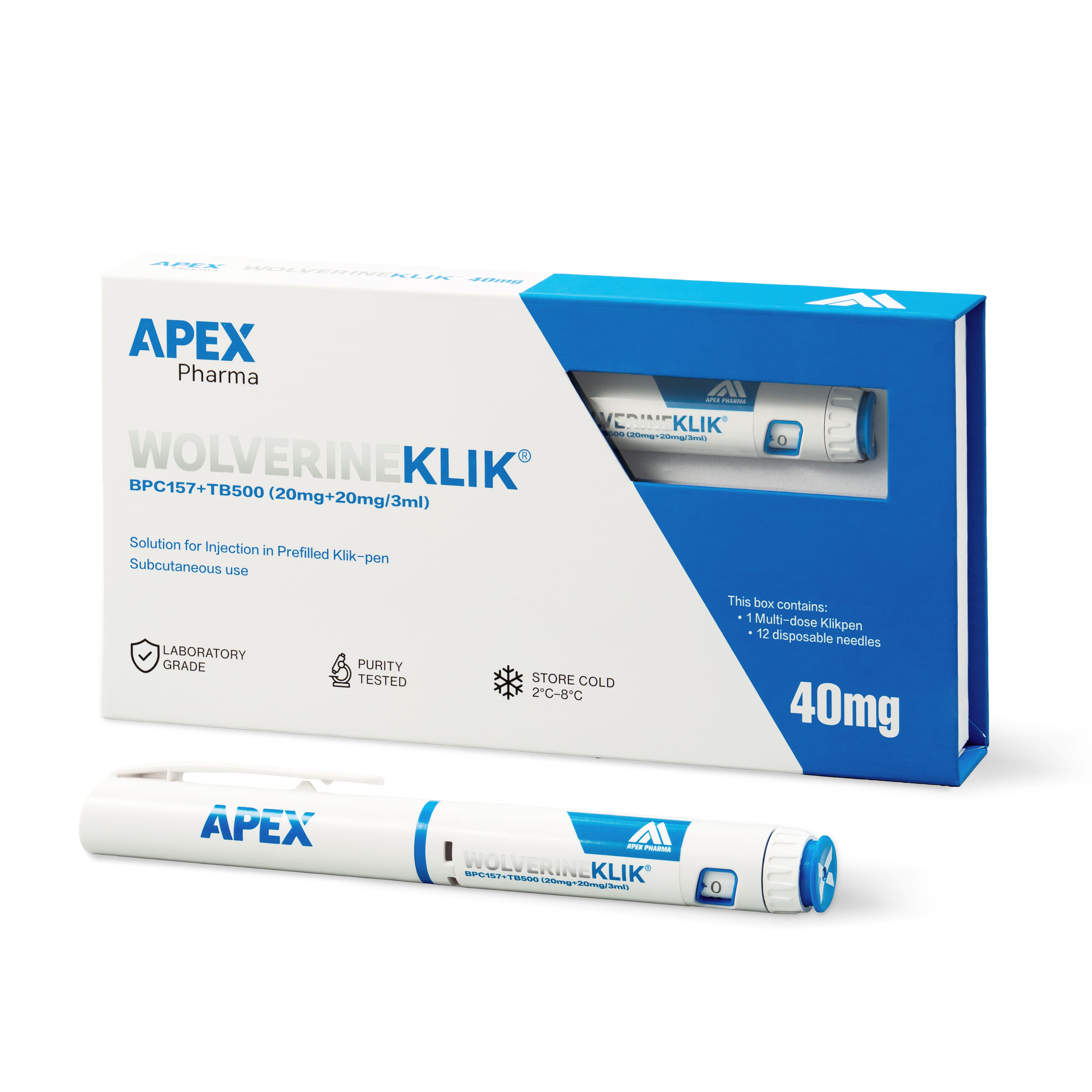
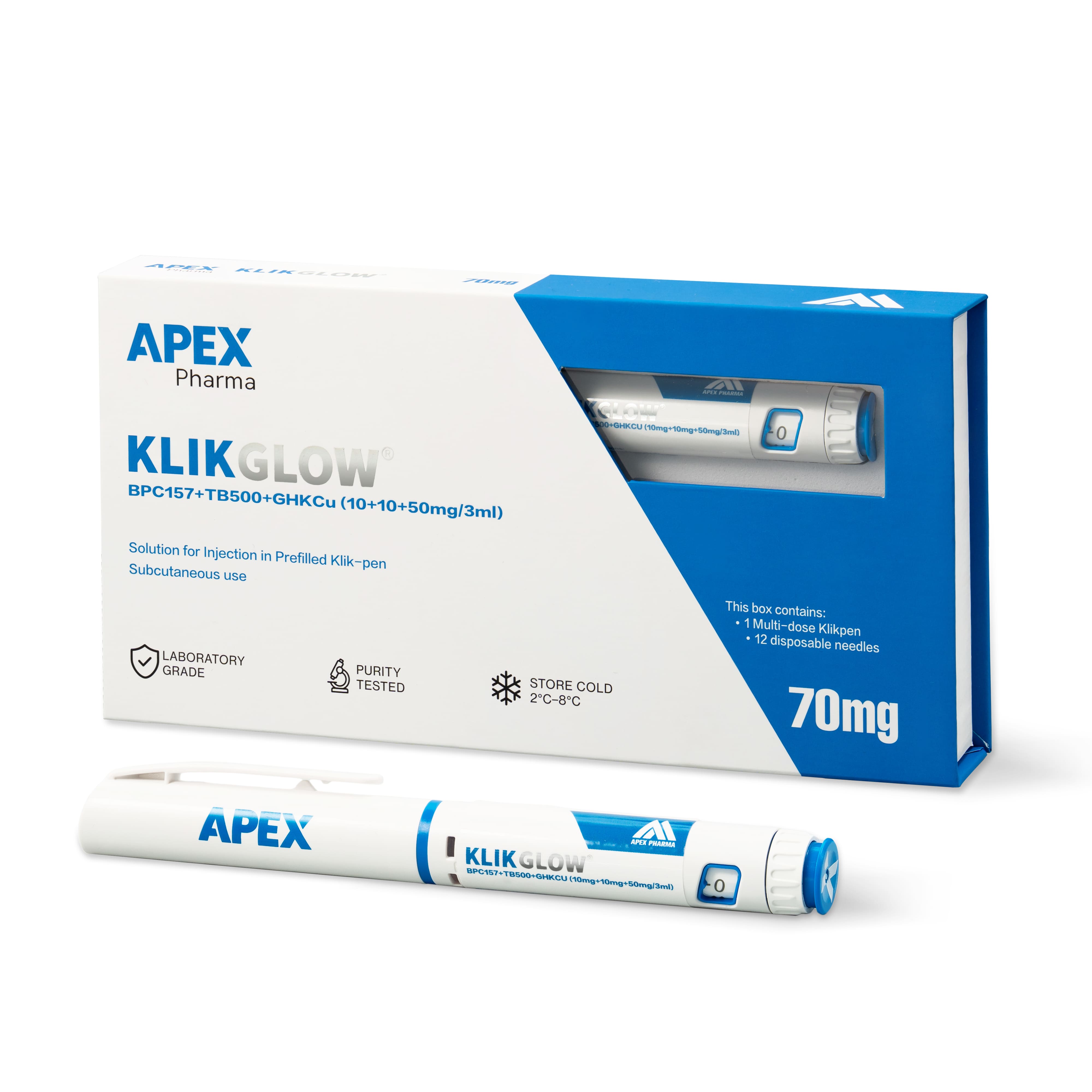
- The label name matches what was ordered, for example WOLVERINEKLIK for the Wolverine blend or KLIKGLOW for GLOW.
- The number of pens matches the order, remembering that a bundle such as STRENGTH arrives as two separate pens.
- The batch number on every label has been written into the receiving log.
- The arrival time and the time the pens went into the fridge are both recorded.
- Anything unexpected has been photographed before the packaging is thrown away.
Link the delivery record to the paperwork
The batch number is the thread that ties a delivery to its documentation. Once it's logged, check whether a matching Certificate of Analysis is published on the CoA page or on the product page. Reports are posted where one is available, so the useful question is whether a report exists for the batch number on your label, not simply whether the product has one.
Keep the receiving log, the order confirmation and any matched report together in one place. If a colleague later asks when a pen arrived, whether it went straight into the fridge or which report covers it, the answer should take a minute to find.
Frequently asked questions
What happens if we pay after the 1pm cut-off?
The order won't be dispatched that working day. Orders paid before 1pm UK time Monday to Friday go out the same working day, so if timing matters, plan payment approval for earlier in the day and check the delivery page for current details.
Will our receiving team recognise the parcel?
Probably not from the packaging, because the outer box is discreet and unbranded. Tell them the expected day, share the tracking reference and give them the name of the person to call when it arrives.
Can we freeze the pens if fridge space is short?
No. The storage conditions are 2–8°C, not frozen and away from light. If space is tight, sort it out before ordering rather than improvising on the day the parcel arrives.