Why Price per Milligram Misleads in GLOW vs Wolverine Quotes
A price-per-mg column looks neat but mostly tracks one ingredient. Here is how to compare GLOW and Wolverine quotes without fooling yourself.
The quickest way to compare a GLOW vs Wolverine price is to divide each by its milligrams and pick the lower figure. It is also the quickest way to end up with a number that looks rigorous and means very little. The two pens hold different materials in different amounts, so a single cost-per-mg column answers a question your project probably never asked.
This article walks through a fairer comparison, built from the cost lines you can actually verify. It will not tell you which pen costs less, because that depends on the figures on the day you check. It will show you how to compare them without distorting either.
What the arithmetic hides
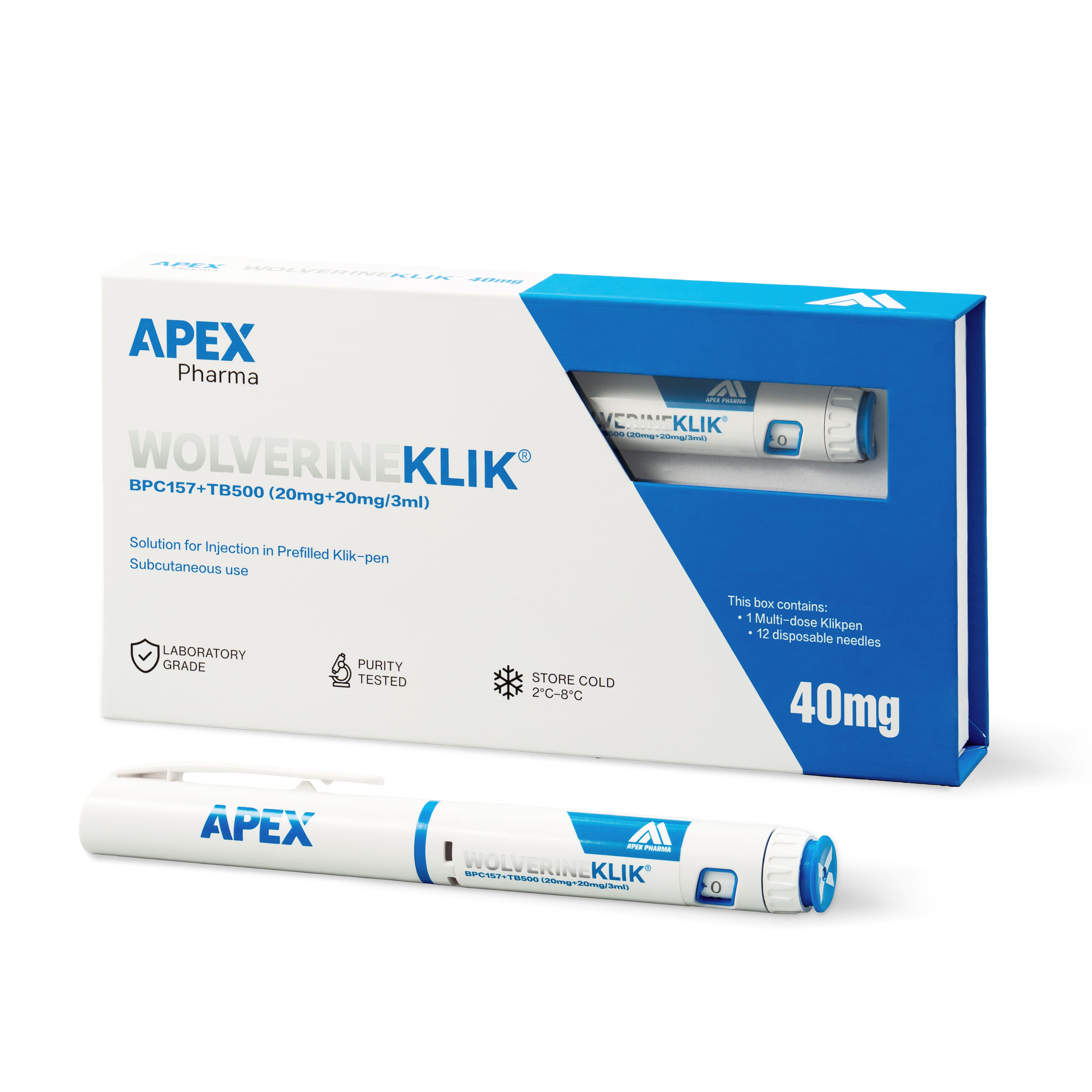
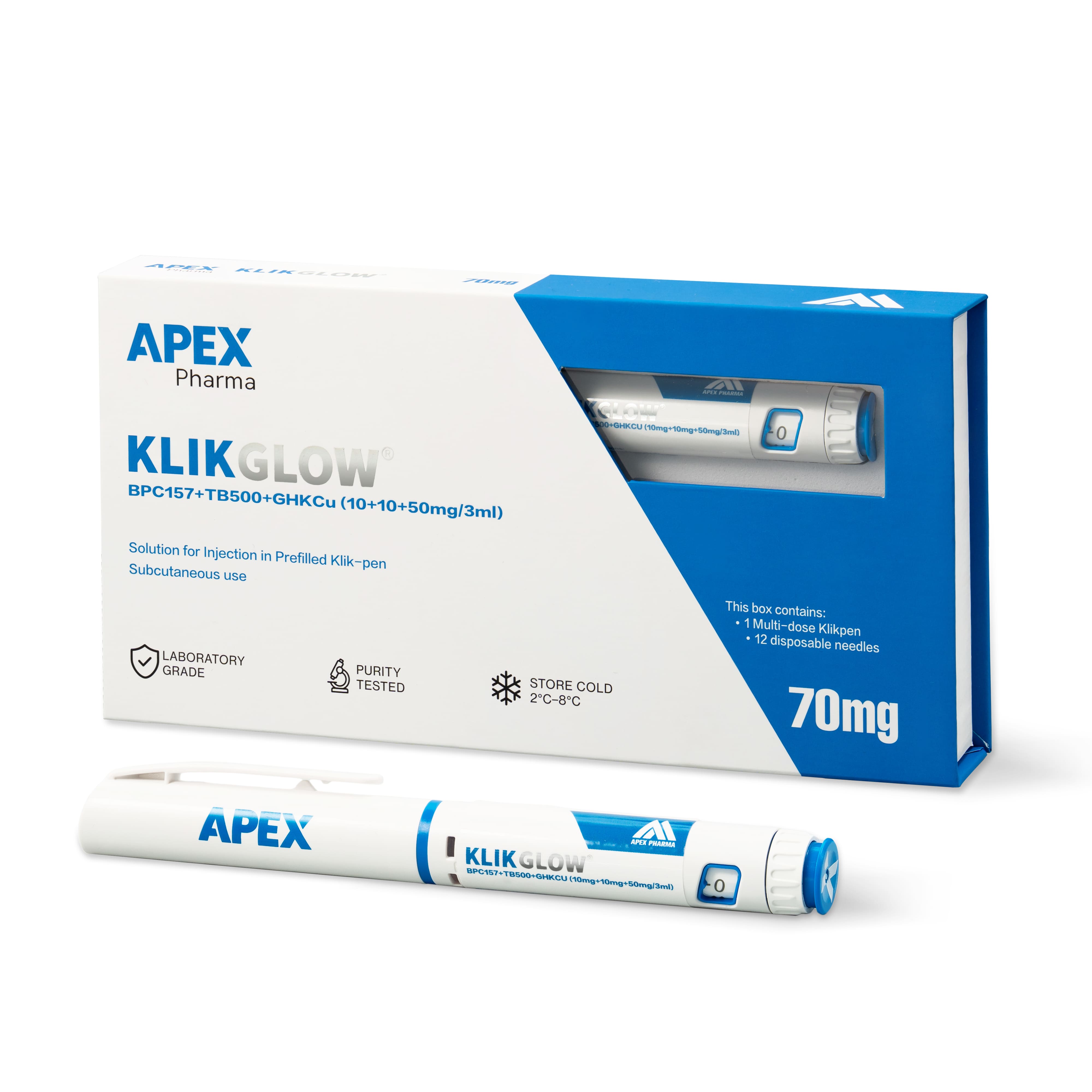
Start with what is in each pen. Wolverine is a 3ml pen with BPC-157 20mg and TB-500 20mg, 40mg in total. GLOW is also a 3ml pen, with BPC-157 10mg, TB-500 10mg and GHK-Cu 50mg, 70mg in total.
Do the sums and the problem appears. Fifty of GLOW's 70mg is GHK-Cu, so a per-mg figure for GLOW mostly reflects the GHK-Cu amount. Meanwhile Wolverine carries twice as much BPC-157 and TB-500 as GLOW does. Dividing a price by total milligrams quietly treats every component as interchangeable, and they are not. Nor does the result say anything about whether either pen is relevant to your work.
Build the comparison line by line
Give each candidate the same set of lines, and fill in only what you have evidence for:
- Item price as shown on the listing, with the date you read it.
- Quantity being priced, stated in pens, not in vague "units".
- Delivery charge, taken from the delivery information rather than assumed.
- Any discount, counted once, with the reason it applies.
- Documents available for the listing, noted separately from price.
- Open questions, written next to the line they affect.
Keep price, quantity and delivery in separate cells. A total can look precise while resting on an unexplained view of what the order includes.
A blank is not a zero
If you do not know a figure, leave it empty and say so. A missing delivery cost that silently becomes zero will flatter whichever option you have researched less. A missing component amount that is copied from another page will do the same kind of damage more slowly.
Where a gap could change the decision, ask the supplier to fill it before you finalise the comparison. Where it will not, record that it is unresolved and move on.
Label provisional figures as provisional
A price is an observation from a particular moment. Pasting it into a new sheet does not renew it, so keep the date beside every figure. When someone opens the file a fortnight later, they can tell history from a current answer.
The same goes for conditional options. If one budget line depends on clarifying what the listing includes, put that condition beside the number. A colleague can then update the line when the answer arrives, instead of treating an old provisional figure as a promise.
Changes to your own request deserve the same honesty. If the requirement moved from a two-component to a three-component brief, say that your brief changed. Do not imply that the supplier's price moved.
End with a recommendation, not a league table
Your note to the approver can be short: which fields are comparable, which difference matters, and what is still unconfirmed. A recommendation to enquire further is a perfectly good outcome. Both pens are supplied for laboratory research use only, and the fit with your brief is a scientific judgement that a spreadsheet cannot make. If you want the contents lined up first, the comparison tool shows the two listings together.
Frequently asked questions
Is the cheaper pen the better buy?
Not necessarily. A lower price tells you about the price and nothing else. The pens contain different components in different amounts, so the cheaper one is only better if it matches the materials and quantities your brief names.
Should I compare cost per component instead?
It is more honest than cost per milligram, but it still assumes components are equivalent. Use it, if you must, as a rough planning aid and label it that way. Do not present it to an approver as the deciding figure.
Where should I check delivery costs?
Use the delivery page and the figures shown at checkout, not a remembered number. Record the date you looked, since the terms you saw are the terms you saw on that day.