Writing a GHK-Cu Purchase Note That Keeps Three Sources Apart
Background reading, a product listing and a batch report each answer a different question. This layout keeps them separate so an approver can see what is known and what is open.
A GHK-Cu purchase note usually draws on three different kinds of source: something that explains the term, the supplier's listing and, if there is one, a report on a tested sample. Each answers a different question. Trouble starts when the note lets one of them speak for all three, so that background reading ends up sounding like verification of the item you are buying.
This article offers a simple layout for a GHK-Cu purchase note that keeps the sources apart. An approver reading it should be able to see what is known, what is merely stated and what is still open, without having to ask you.
Why one "evidence" heading causes trouble
Many notes have a heading such as "Supporting information" under which a glossary definition, a product page and a report sit side by side. A reader sees three items and assumes three confirmations. In fact, the definition says what a term means, the page says what is on offer, and the report, if it matches your batch, says what was measured in one sample. None of them can do the others' job.
Three sources, three jobs
| Source | It can support | It cannot support |
|---|---|---|
| General reference or paper | What a name or term means, and background on the compound | That the pen you are buying contains it, or how much |
| CLOVA listing | What is offered: product name, pack description, stated amount | Independent confirmation of the contents |
| Batch report from the CoA page or a product page | What was measured on the batch it names | Anything about a different batch or a different product |
Reports are published where one is available, so the third row will not always be filled in. An empty row is information too.
A purchase note layout that keeps them apart
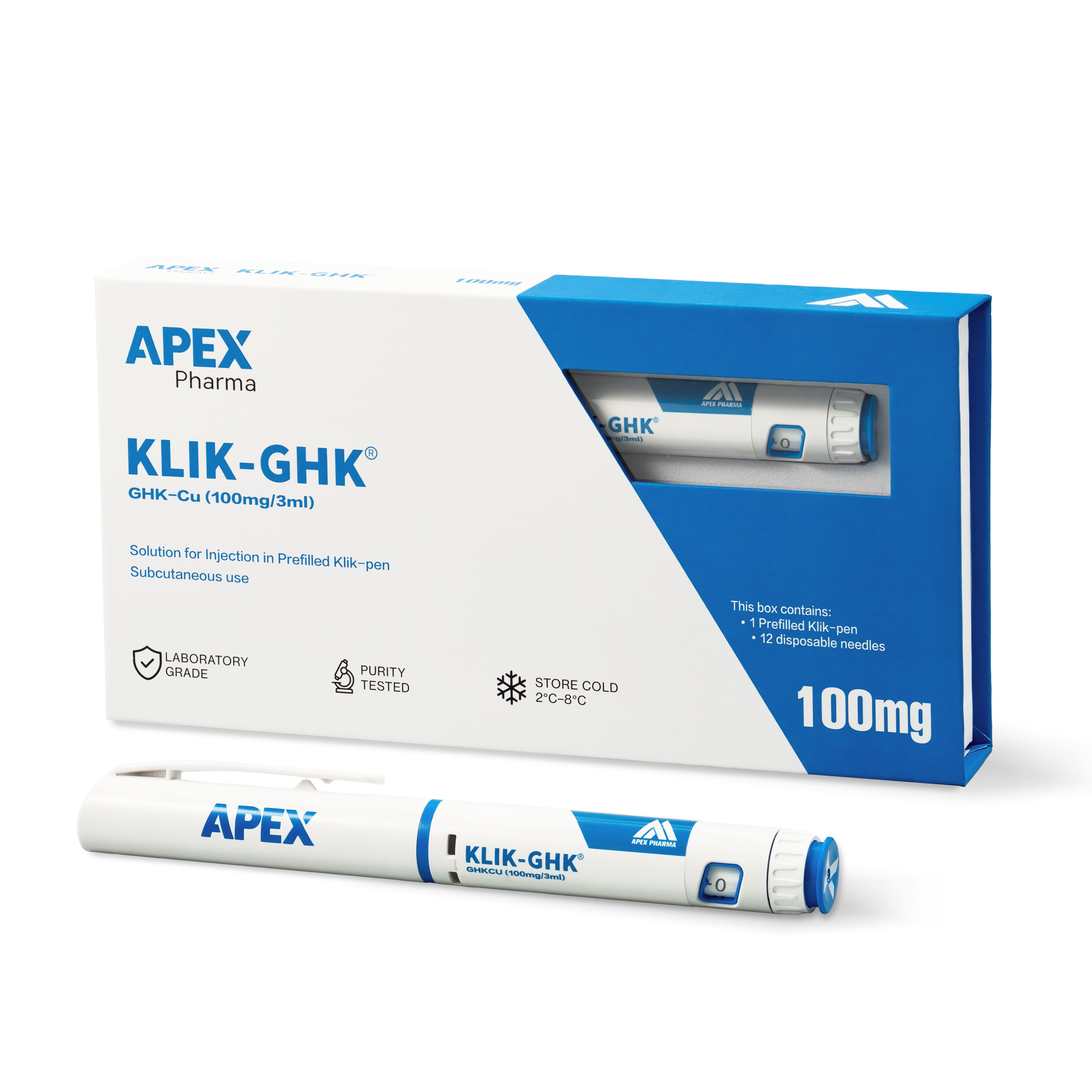
- Candidate. The listing name and code as shown, for example the KLIK-GHK GHK-Cu listing.
- What the listing states. The pack description and amount, quoted.
- Report status. Whether a report was found, the batch number it names and whether you have matched that to a label.
- Background reference. If you use one, label it as background and tie it to the term, not the product.
- Open points. Each with the name of the person who will resolve it.
- Requested next step. Ask the supplier, send to technical review or stop.
Keep the note to one page where you can. Its job is to make the approver's decision easier, not to hold everything you read.
Overreaching phrases and their fixes
Short summaries tend to compress sources together. These swaps keep the claim inside what the evidence supports:
- "Independently verified GHK-Cu" becomes "Listing names GHK-Cu; report for the batch not yet matched."
- "Same material as in the literature" becomes "Literature discusses GHK-Cu; its relationship to the product is unconfirmed."
- "Report on file" becomes "Report on file names batch X; batch on label not yet checked."
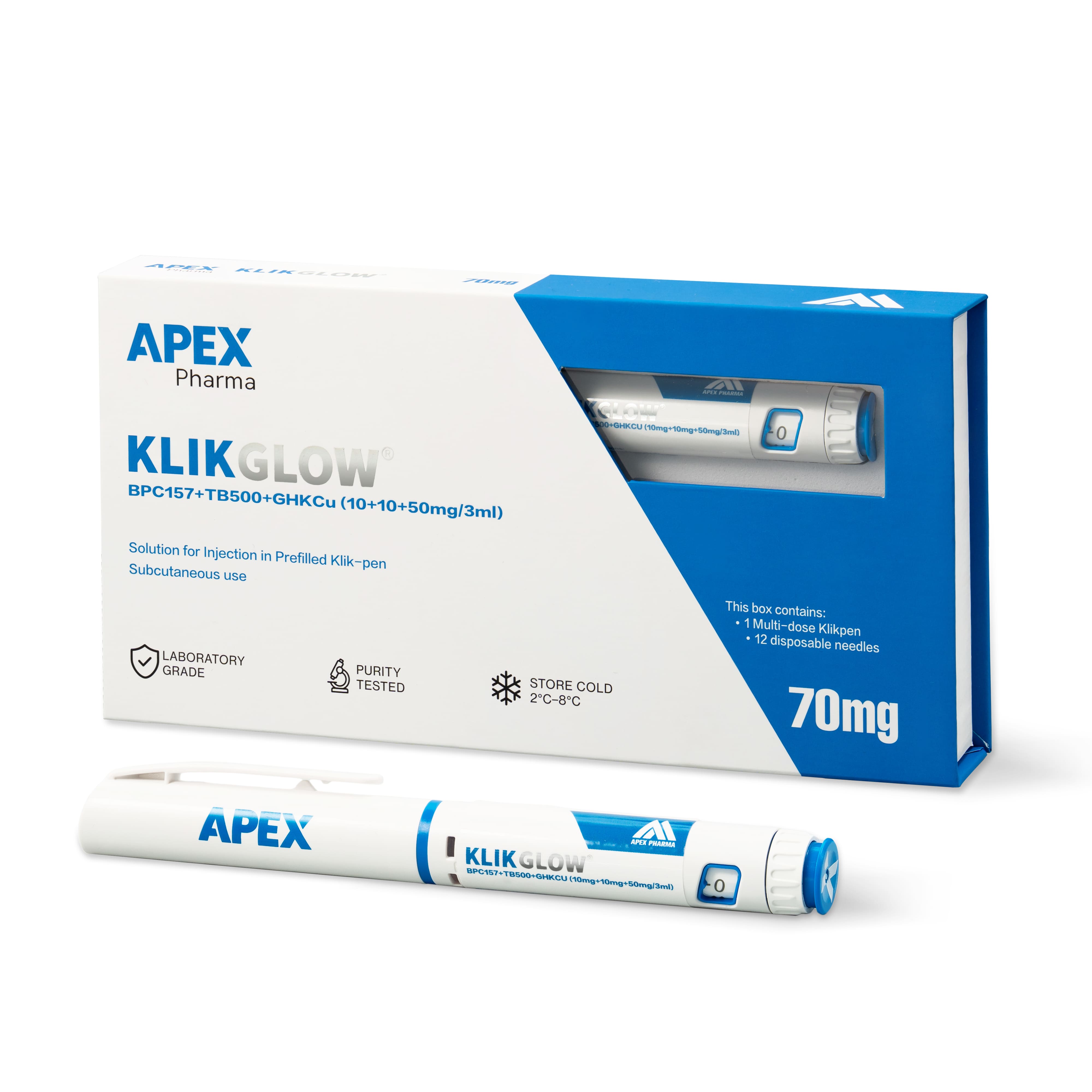
Be careful with the GLOW pen too. GHK-Cu appears there at 50mg alongside 10mg BPC-157 and 10mg TB-500 in one 3ml pen, so a report for the standalone item and a report for the GLOW blend are different documents. Each one covers only the product it names.
The note is about a laboratory material supplied for research use only, so leave out any wording about outcomes. If a source you have read makes such statements, do not carry them into the purchase file.
Frequently asked questions
Do I need to cite literature in the purchase note?
Only if your approver or project expects it. If you do, mark it as background and attach it to the term or compound it discusses, not to the product you are buying.
What if the report names a slightly different product?
Treat it as unmatched until the supplier explains the relationship. Ask which report applies to the batch you would receive, and record the answer with the date.
Can one note cover both KLIK-GHK and GLOW?
Separate entries are safer, because the items have different contents, amounts and documents. A short cross-reference between them is fine.