Copper Peptide Labels That Don't Match? Sort Them Before You Order
Copper peptide, GHK-Cu, copper tripeptide-1: three names in one file. Keep every original wording, add your own working term and ask about the gap.
Picture a purchasing file for a copper peptide. The request your colleague wrote says "copper peptide", the CLOVA listing says GHK-Cu, and a note from a literature search says "copper tripeptide-1". Nobody has made a mistake yet, but the file is not ready to be tidied into one standard label either. The first job is to work out whether the labels describe the same subject and what each document is meant to show.
Search for copper peptide GHK-Cu and you will find plenty of related names. Public chemical databases do list synonyms for the compound, which helps you read around the topic. They do not tell you what is in a particular vial, and that distinction is the whole of this article.
Start with the document that raised the question
Copy the wording exactly as it appears and note where it came from. A catalogue title, a line on a purchase request and a name on a laboratory report serve different purposes, so squashing them into your preferred phrase too early hides the very relationship you need to understand.
For the commercial reference point, use the GHK-Cu listing. Anything you compare against it keeps its own original description. If a document seems not to match, ask about it; do not quietly edit the record until it does.
Is it a spelling difference or a material difference?
Hyphens, capital letters and word order rarely matter scientifically. A different chemical form or a different formulation might. Deciding which of those you are looking at is a job for your researcher, not for purchasing staff working from similar-looking words.
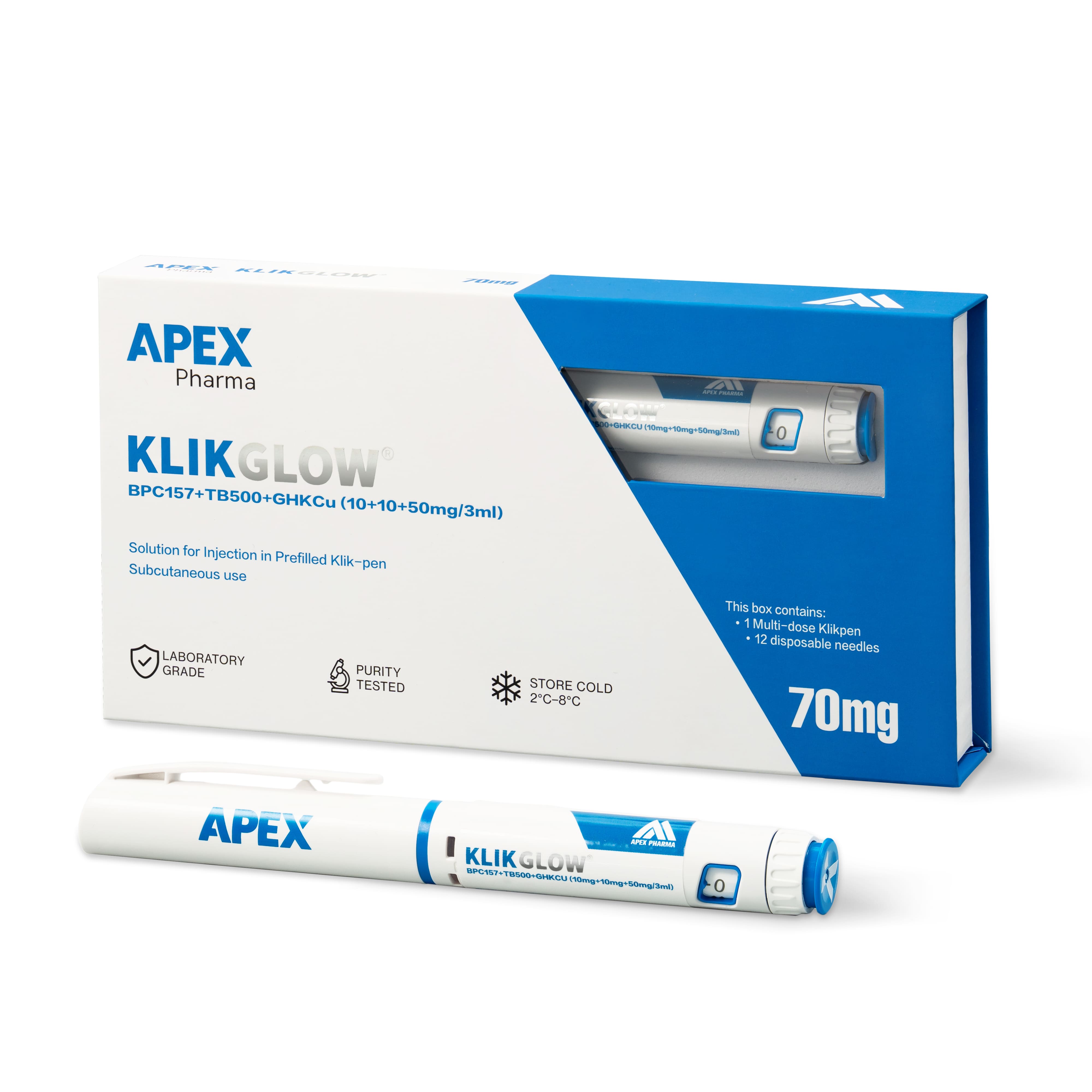
One check is worth making early. GHK-Cu is also one component of the GLOW blend, which combines it with BPC-157 and TB-500 in a single pen. A report that names the blend and a report that names the standalone peptide are not interchangeable just because both mention GHK-Cu.
Keep two columns, not one
The cleanest record has two columns:
- Source wording: what the document actually says, copied word for word.
- Working term: the label your team uses for searching and filing.
Your explanation of how you read a term sits in the second column. It never replaces the first. Another reviewer can then tell the laboratory's description apart from your interpretation of it, which is exactly what they will want to do if the question comes back months later.
Ask for the missing connection directly
"Please confirm quality" gets you very little. A better follow-up names the two records and the link you cannot see. For example:
The report supplied names the material as X. Our order names it as Y. Can you confirm that the report relates to the item on our order, and give the batch number it covers?
If the supplier can answer that in a sentence, the file moves on. If the answer is longer, that is useful too, because it tells you where the gap really is.
Checklist for each document in the file
- Document type: listing, quote, purchase request, label or report.
- The exact name used, pasted rather than retyped.
- Whether it concerns the standalone peptide or a blend that contains it.
- Batch number, if the document carries one.
- What the document was created to show, and what it was not.
- Who needs to review any technical consequence of a mismatch.
Match the batch number on the label to the report on the COA page where a report is available. A name that matches while the batch does not is still an open question.
Update your summary without overstating it
Once the supplier has explained the relationship, say what the answer changes. It may correct an internal label. It does not by itself confirm composition, measured content or suitability for a project, so a note reading "terminology resolved" should not drift into "verified" two documents later. Go back through any earlier recommendation affected by the clarification so the file does not carry a cautious reading in one place and an assumed equivalence in another.
Everything in the catalogue is supplied for laboratory research use only. This is paperwork hygiene, nothing more: it makes sure the names in your records can be traced back to what each source actually said.
Frequently asked questions
Are GHK-Cu and copper tripeptide-1 the same thing?
Public chemical references list them as related names, so a difference in wording is not automatically a red flag. Whether a given report covers the item you are buying is a separate question, answered by the report, its batch number and the supplier, not by a synonym entry.
Should I standardise the name across all my records?
Keep the original wording wherever a document is the source, and add your own working term alongside it. Replace nothing from a report or listing. A standard term is helpful for searching; it is not a substitute for the source wording.
What if a report names the blend but I ordered the single peptide?
Ask the supplier how the report relates to your order and which batch it covers. Until you have that answer, record the report as "relationship not confirmed" rather than filing it as supporting your order.