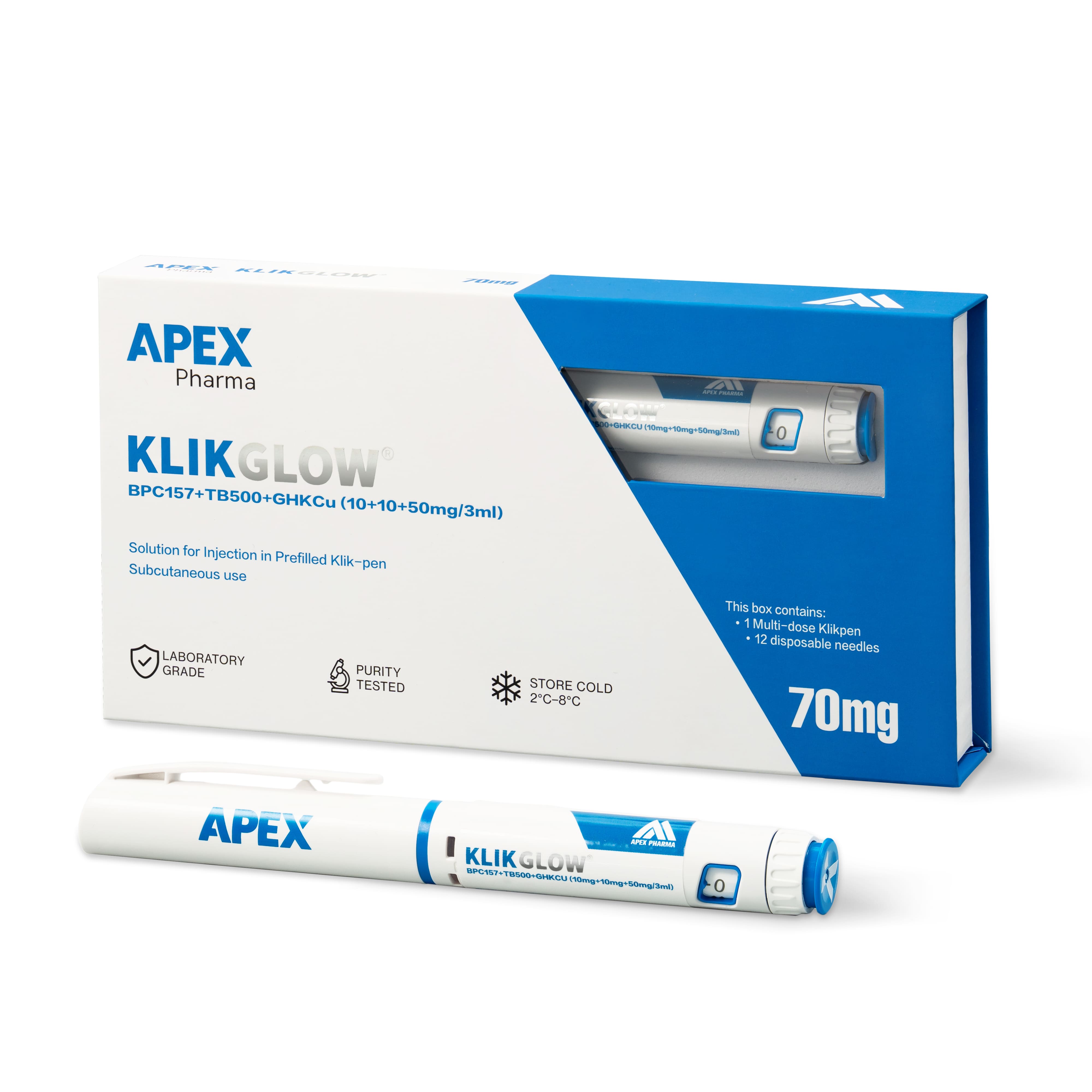
Annotated References for a BPC-157 TB-500 GHK-Cu Blend Review
A long bibliography can hide a thin argument. Add a short purpose line to each reference and your purchasing colleagues can see what the evidence note really rests on.

If you are collecting BPC-157 TB-500 GHK-Cu blend research for a purchasing review, the reference list matters less than the line written beside each entry. A page of citations looks thorough, but unless it says why each source is there, the person approving the purchase cannot tell what the evidence note rests on.
This article is about the document that goes to your purchasing colleagues, not the search that produced it. It invents no references and does not claim to cover the literature. It shows how to annotate what you have so that nothing is quietly overstated.
Considered or relied on?
You will almost certainly read things that never make it into your conclusion. That is normal. The problem comes when all of them sit in one list, because the bibliography then implies a broader evidence base than the assessment actually used.
Split the list in two. "Considered" covers background reading and anything you set aside. "Relied on" covers the few sources your summary genuinely leans on. A reader skimming the second list should be able to see the whole argument.
What goes in each annotation
Keep each line short. An abstract is not needed, only enough for a colleague to understand the role of the source. A workable set of fields:
- Citation, as the source gives it.
- Subject, named the way the source names it. A paper on GHK-Cu is a paper on GHK-Cu, not on the GLOW blend, however convenient the link.
- Research setting, so that preclinical work cannot drift into sounding like something else after the note is shortened.
- Role: background, terminology, or support for a specific statement in your note.
- What it does not establish. This is the field people skip and the one a later reviewer will thank you for.
- Date added, so the list can be read as a history.
Reporting versus interpreting
Two kinds of sentence tend to get blended together. One says what the source reports. The other says what your organisation infers from it. Give them separate lines, with the inference clearly marked as yours.
That separation pays off the first time someone disagrees. They can challenge the interpretation without anyone suspecting the original finding has been misquoted. It also protects you in the other direction: a modest source cannot be inflated into a bold claim by a tidy summary sentence.
Regulatory and educational documents deserve the same care. General guidance can frame a question without settling anything about a particular product, so label it as framing.
Background sources earn their place too
A source does not have to support a conclusion to belong. A glossary-style paper that clarifies terminology is useful if the annotation says exactly that. The trouble starts when everything in the list appears to back the same recommendation, because a reader will assume it does.
If you cannot write a purpose line for a source, that is a sign it should move to "considered" or come out altogether. Adding further titles rarely repairs a weak list; clearer labels on the existing ones usually do.
Keeping the list in step with the decision
Put a version number and date at the top of the list, and say which version went to whom. If your interpretation changes after a new source turns up, send the update to the same people who got the earlier version. A corrected bibliography sitting in a shared folder does nothing if an older, stronger summary is still in the approver's inbox.
The list also has a limit worth stating in the note itself. References describe the science. They do not describe the pen that arrives. For that you need the listing, the label and, where one is published, the batch report on our COAs page, matched by batch number. Everything here is supplied for laboratory research use only, so the note should read as documentation of a research purchase and nothing more.
Before the list leaves your desk
- Every relied-on source has a one-line purpose.
- Every entry carries the subject exactly as the source names it.
- Research settings are recorded and not merged.
- "Considered" and "relied on" are separate.
- Reporting and interpretation sit on separate lines.
- The version number and date are at the top.
- No entry is described as evidence about the product you are buying.
Frequently asked questions
How many references should a purchasing review include?
As many as the argument needs and no more. Three sources with clear purpose lines are more useful to an approver than thirty with none.
Can I cite a paper about one component for the blend?
You can cite it for what it covers, which is that component in the setting studied. Say so in the annotation. It should not be presented as work on the blend or on the contents of any particular pen.
Who should read the annotations before sign-off?
The person responsible for the technical judgement, plus whoever approves the spend. They are reading for different things, which is why the purpose and limit lines need to be easy to find.