Checking a Wolverine Peptide Seller's Claims Against the Paperwork
Every seller says lab tested. Here is how to turn each claim on a Wolverine listing into a question with a checkable answer, and which claims should make you pause.
Read a few product pages for the Wolverine blend and the same phrases appear again and again: lab tested, high purity, fast UK dispatch, trusted supplier. Some of these will be true and some will not, but on the page they all look equally confident. Checking Wolverine peptide supplier claims means treating each phrase as a question and asking what document would answer it.
This is not about assuming sellers are dishonest. It is about making sure your purchase file rests on things you can show a colleague or auditor, rather than on wording you happened to read. The method below works for any listing, and we use CLOVA's own claims as the worked example.
Turn each claim into a question
Start by capturing the page. Take a dated screenshot of the listing, including any small print, so you know exactly what was claimed when you made your decision. Pages change, and your record should not depend on what the page says next month.
Then list each claim on its own line and write beside it the evidence that would confirm it. A claim with no possible evidence, such as "the best on the market", can simply be ignored. A claim that could be checked but has not been is an open question.
Claims about testing and quality
"Lab tested" and "high purity" are the most common claims and the easiest to check badly. The question is not whether a certificate exists somewhere, but whether a report names this product and the batch you will receive.
CLOVA publishes Certificates of Analysis on its CoA page and on product pages where a report is available. It does not claim that every batch has one. The check is to match the batch number printed on the pen label to the batch number on the report. A report for a different batch, or with no batch shown, supports nothing about your pen.
Claims about contents
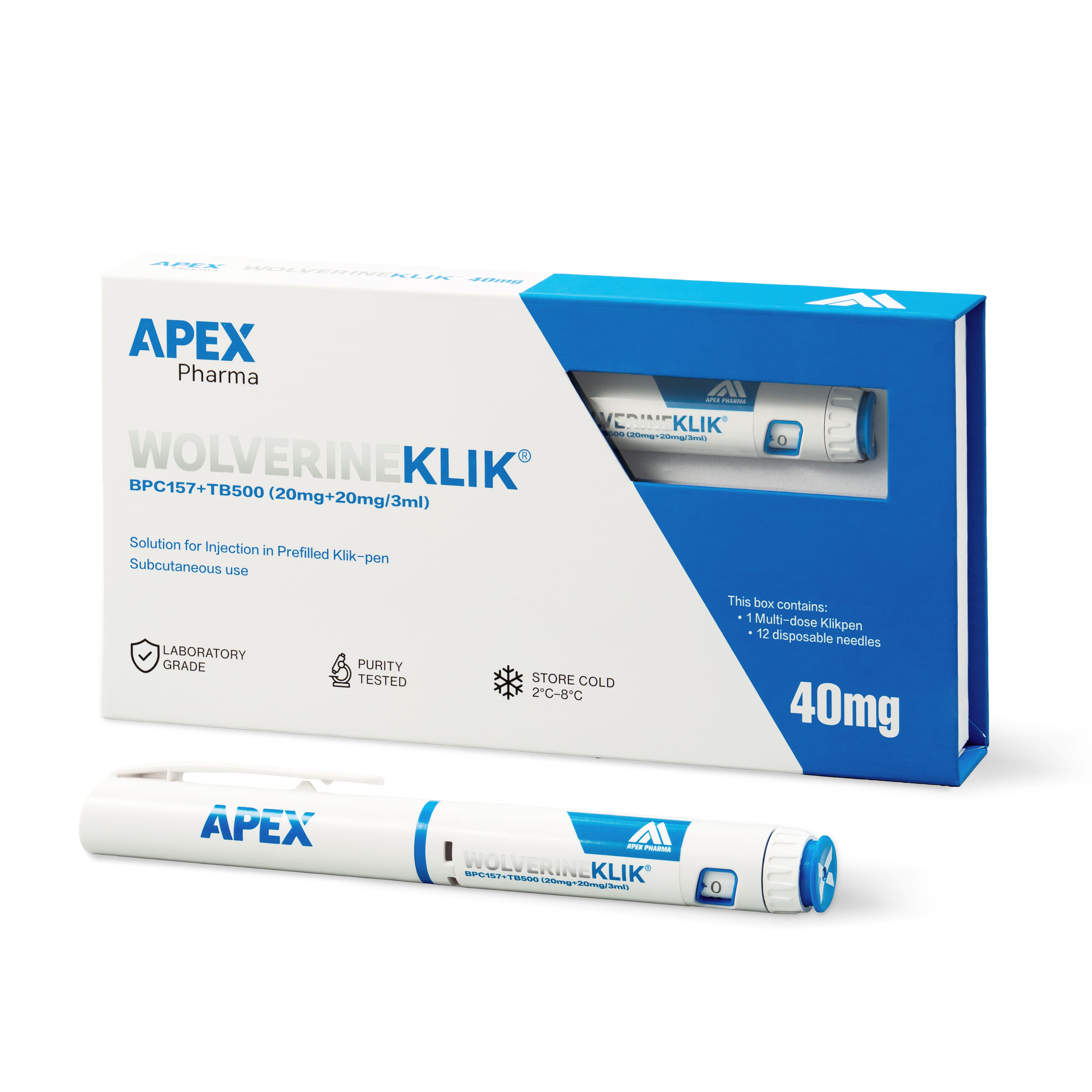
A listing should say what is in the product, per component. CLOVA's Wolverine blend listing states BPC-157 20mg and TB-500 20mg in one 3ml pen, 40mg in total, with the label name WOLVERINEKLIK.
That gives you a fixed reference to check the pen against on arrival, starting with the label name and the batch number. If what arrives differs from the screenshot you took, you have a clear basis for a query. Vague content claims, such as a single total with no split, leave you nothing to check against.
Claims about delivery and service
Delivery claims are easy to verify because they leave a trail. CLOVA states that orders paid before 1pm UK time, Monday to Friday, are dispatched the same working day, and that products ship cold, by tracked delivery, in discreet unbranded outer packaging. The delivery information page sets this out.
Your order confirmation, dispatch notice and tracking record either match those claims or they do not. Keep them together. If something goes wrong, the returns and refunds policy is the document that sets out what happens next, so read it before you order rather than after.
Claims that should make you pause
Some wording is a reason to slow down whatever else the listing offers:
- any suggestion of what the material does in people or animals
- instructions for personal use of any kind
- "pharmaceutical grade" or similar, with no document to support it
- testing claims with no report, or reports with no batch number
- no clear way to identify who the seller is
A listing for laboratory material should describe the product and its terms, and state plainly that it is for research use only. When a page goes further than that, raise it with whoever handles compliance in your organisation before ordering.
Frequently asked questions
Is a certificate image on a product page enough?
Only if it names the product and a batch number you can match to your label. An image with no batch reference, or for a different product, should be treated as unverified.
What if a seller's claims change after I order?
That is why the dated screenshot matters. Your decision was based on what the page said at the time, and your record should reflect that. Note any change and raise it with the seller if it affects your order.
Should I verify every single claim?
Focus on the claims your decision actually depends on, usually contents, batch documentation and delivery. Marketing phrases that cannot be checked can be set aside rather than chased.