From Review Themes to Sharper Questions in a GLOW Enquiry
Reviews are better at raising questions than answering them. Here is how to turn what you read into a short, specific GLOW enquiry that gets a useful reply.
Reading reviews before you write to a supplier makes sense, provided you take questions from them rather than conclusions. If you are preparing a GLOW peptide enquiry, the themes you notice, such as slow replies, hard-to-find paperwork or confusing product names, can each become a specific question that CLOVA can answer for your own order.
What a review cannot do is stand in for that answer. One person's experience of one transaction does not tell you how your enquiry will be handled or what your batch paperwork says. Here is how to turn a theme into a question, what to leave out, and how to keep the email short enough to get a useful reply.
Take the question, leave the verdict
A review that says "excellent" or "disappointing" is a verdict. Underneath it there is usually something more specific: how quickly an answer came, whether documents were easy to find, whether the parcel matched expectations. That detail is what you want.
Keep a clear line between a reported experience and a confirmed process. Several comments using similar language make a theme worth asking about. They do not make it a promise.
Five themes and the questions they suggest
Adapt these to the listing and your own timetable:
- Reply speed or clarity. Ask: "What is the best way to submit a query about the GLOW listing, and what details do you need from me?"
- Delivery timing. Ask: "My payment will complete on [day]. How does the 1pm dispatch cut-off apply, and where do I find current delivery information?"
- Paperwork. Ask: "Is a Certificate of Analysis available for the batch I would receive, and where is it published?" The CoA page is a good place to look first.
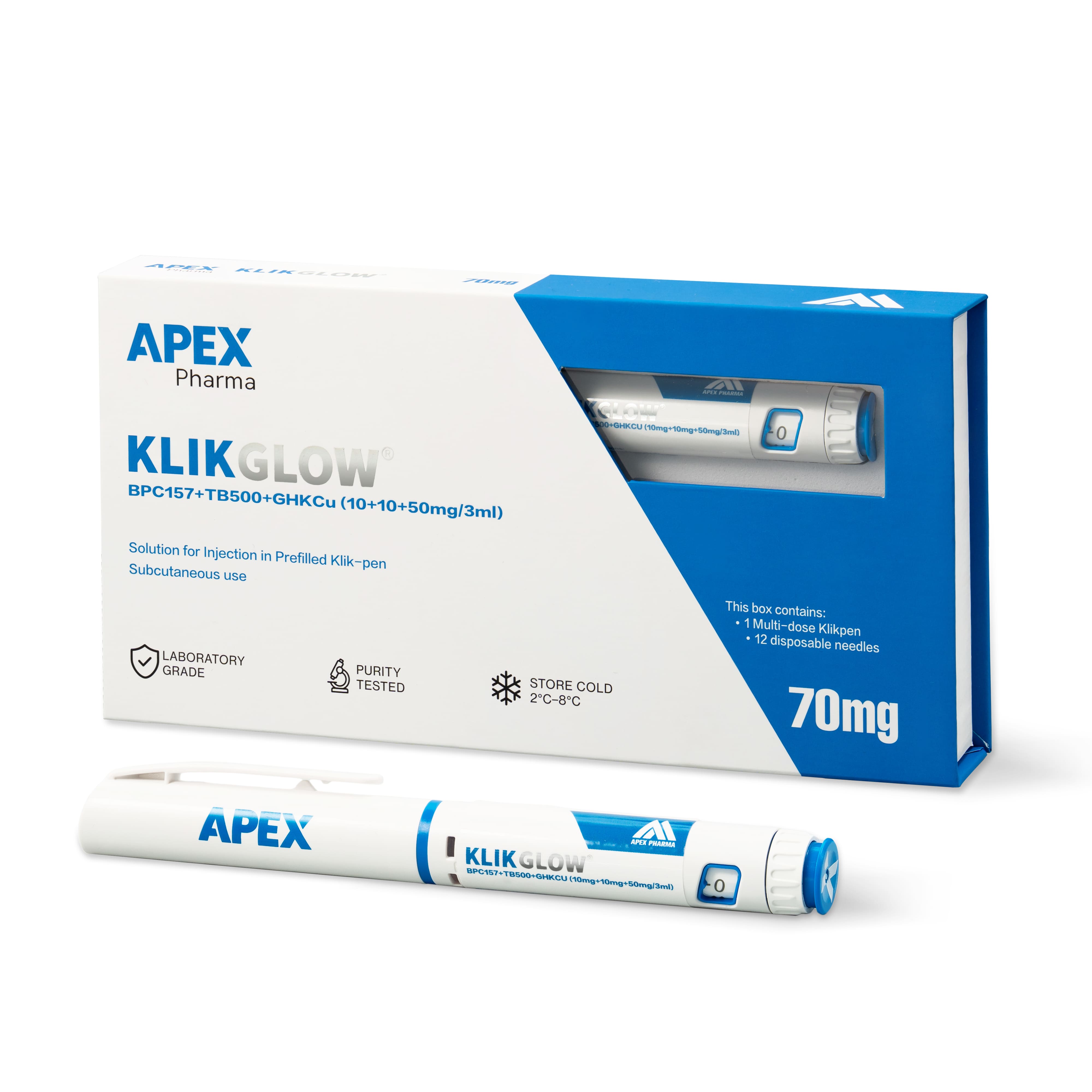
- Product naming. Ask: "Can you confirm that the GLOW listing is a single 3ml pen, label name KLIKGLOW, containing BPC-157 10mg, TB-500 10mg and GHK-Cu 50mg?"
- Problems on arrival. Ask: "Where are the returns and refunds terms, and what should I do first if a parcel arrives damaged?"
What not to put in the email
- A request to confirm or rebut a particular reviewer's account. CLOVA cannot investigate someone else's story, and you do not need it to.
- Pasted review text. Describe the topic instead, for example "I'd like to understand how batch paperwork is shared".
- Open-ended requests for reassurance, such as "is this a good product?" Nobody can answer that usefully in an email.
- Confidential project details. A supplier needs enough to locate your order, not your whole project file.
- Anything about personal use. GLOW is supplied for laboratory research use only, and that is not a subject for a commercial enquiry.
Keep it to one product and a handful of questions
Aim for one email, one named listing and three or four questions. Tie each question to a decision you actually have to make, so you can say what you would do with each possible answer. If you cannot, cut the question.
Add your organisation's order or quote reference if you have one, and keep a copy of what you sent for the file.
Read the reply against your list
When CLOVA replies, tick off your questions one by one. A friendly acknowledgement is not an answer, and a short factual reply may be all you needed. Record what was answered and what remains open, then send a narrow follow-up on the gap only. Repeating the whole list produces more messages without a clearer decision.
Bear in mind that a helpful service response does not settle technical questions. Identity, batch documents and suitability for your project each need their own evidence.
Frequently asked questions
Should I quote a review in my enquiry?
No. Name the topic it raised and ask about your own order. That keeps the conversation on the listing in front of you, and it spares the supplier from commenting on a stranger's account.
How many questions are too many?
A first message with a long list is harder to answer fully. Lead with the three or four questions that would change your decision, and hold the rest for a follow-up.
What if the reply only covers part of it?
Record what was answered, then send one follow-up on the gaps, referring to the original message so nothing needs re-explaining. If a gap affects a purchasing decision, say so plainly.