A Conditional Format for Research Supplier Recommendations With Gaps
You rarely get a complete file before someone wants a recommendation. Here is a three-part format that stays honest about the gaps and still gives your approver a next step.
Sooner or later you will be asked for a research supplier recommendation before the file is complete. The listing is clear, one report is linked but not yet matched to a batch, and one reply is still on its way. Your approver wants an answer, and your options are not limited to "approve" or "reject".
The way through is a conditional recommendation. It says what you have seen, what is still open and what would change your view, then proposes one proportionate next step. It takes a page at most, and it keeps you from overstating the evidence in either direction.
Lead with an action, not a verdict
Words such as "approved", "verified" or "best" claim more than a patchy file can support. Pick an action instead:
- Request a formal quote.
- Place an order, subject to a stated condition.
- Hold until a specific question is answered.
- Drop the candidate for this brief.
An action is easy for an approver to accept or challenge, and it makes you spell out the reasoning behind it.
The three-part format
1. What the file shows. List each item you have actually seen, with its source and date: the product page, the entry on the COAs page, an email reply. Describe what each one says, not what you assume it implies.
2. What is still open. For each gap, add one line on why it matters. A missing batch match affects whether you can rely on the report. An unanswered delivery question affects planning only. Keeping those apart stops every gap from sounding fatal.
3. Recommendation and trigger. State the action you propose now, then the answer that would change it. This is the part approvers read first, so make it a single clear sentence.
A worked example
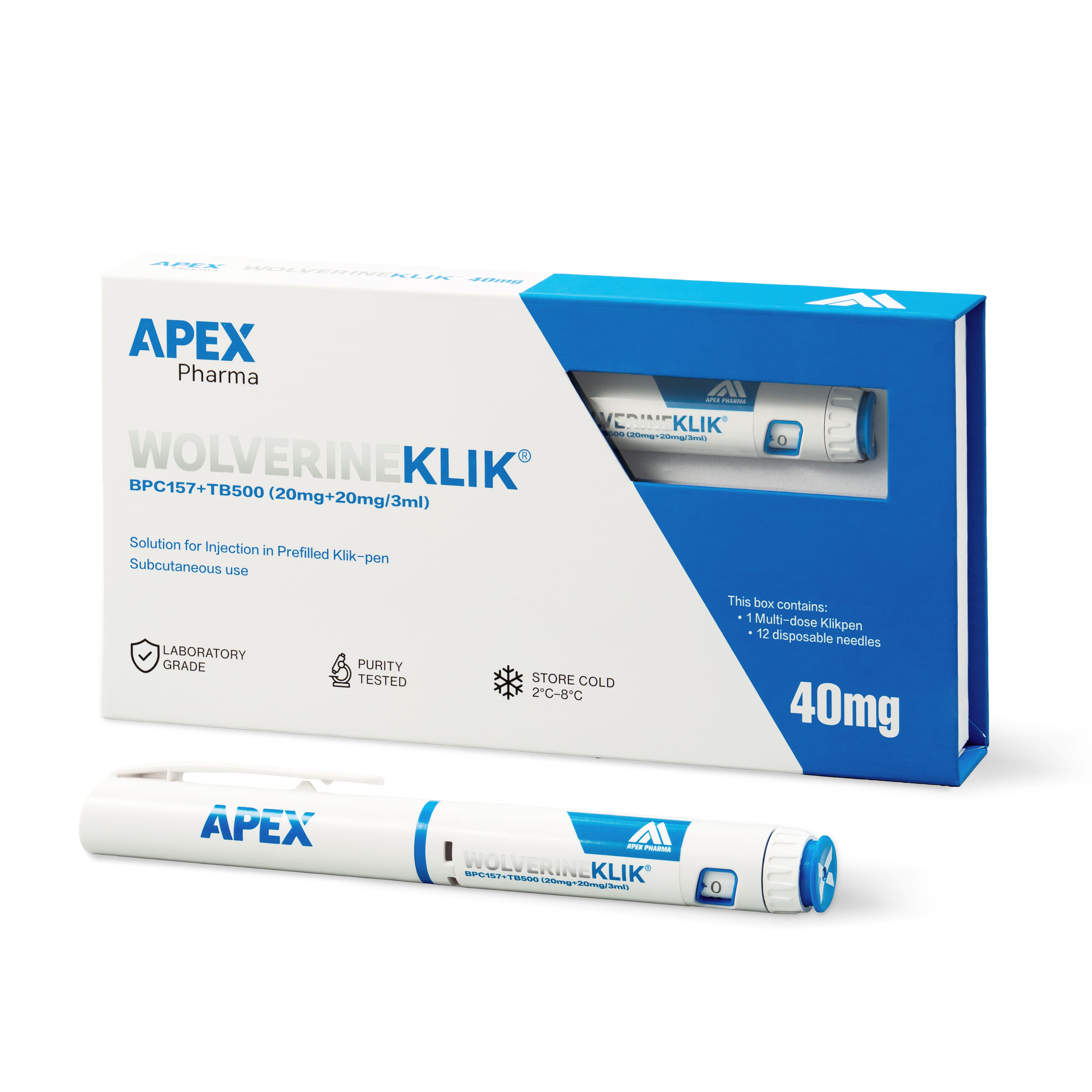
Imagine a file for the Wolverine blend. The listing names the contents as BPC-157 20mg and TB-500 20mg in one 3ml pen. The delivery terms are published and understood. A report is linked from the page, but nobody has yet confirmed that its batch number matches the pen that would be supplied.
A conditional recommendation might read:
Proceed to a formal quote, but do not release payment until CLOVA confirms which batch will be supplied and a report for that batch is on file. Seen: the listing contents and the delivery terms, both read on the stated date. Open: whether the linked report covers the batch we will receive. This changes if the batch numbers differ or no report is available for the batch, in which case we hold and revisit.
Nothing in it calls the supplier good or bad. It records progress, names the single gap that matters and says what happens next.
Keep a missing link separate from a failed test
A report that cannot be tied to your batch leaves you unable to assess the material. It does not mean the material failed anything. Write it as "not yet connected", not "unsatisfactory", and avoid implying a negative result you have no evidence for. The same care applies in reverse: a clear price and a prompt reply are useful, but they are not evidence about the material.
Say who owns each open item
Purchasing can chase replies, collect documents and keep the file tidy. Interpreting a report against the research question belongs with the responsible researcher, who also decides whether the material suits the work, which is a judgement about the project rather than about the product. Because everything is supplied for laboratory research use only, that decision stays with your organisation.
Put a name or role beside every open line. An item with no owner is the one that sits unresolved for weeks.
Check before you send it
- Every "seen" item has a source and a date.
- Every open item has a reason it matters and an owner.
- The recommendation is a single action in one sentence.
- A trigger states what answer would change it.
- No word in it is stronger than the evidence behind it.
- Nothing in it describes outcomes in people or animals.
Frequently asked questions
Can I recommend a supplier when no report is available for the product?
Yes, provided you say so plainly. Reports are published where available, so some items will not have one. Recommend what the evidence supports, whether that is asking the question, holding or choosing a different listing.
How long should the recommendation be?
One page is plenty. A short paragraph for each of the three parts, with the action at the top, is easier to approve than a long narrative of every message exchanged.
Should I compare other suppliers in it?
Only if you assessed them against the same criteria. If you did not, keep the recommendation to the candidate and the brief, and leave out any claim about the wider market. You can browse the research catalogue to confirm exactly what is listed.