Logging the Answer to a TB-500 COA Enquiry So Nothing Gets Lost
A reply has arrived, but has it answered everything you asked? A simple log for TB-500 documentation enquiries that keeps each question and status separate.
You asked about TB-500 documentation and a reply has arrived. The natural instinct is to file it and move on. But a reply can settle one part of a TB-500 COA enquiry while leaving another part quietly unresolved, and if the record only says "answered", nobody will notice until much later.
A few minutes spent logging the outcome properly keeps the file honest. It also means a colleague can pick up the thread without re-reading every email.
Why a reply isn't the end of the enquiry
Many documentation requests contain more than one question, even when they are written as one sentence. "Can you send the COA for our TB-500?" might really mean: is there a report, which product does it cover, and does it apply to the batch we received?
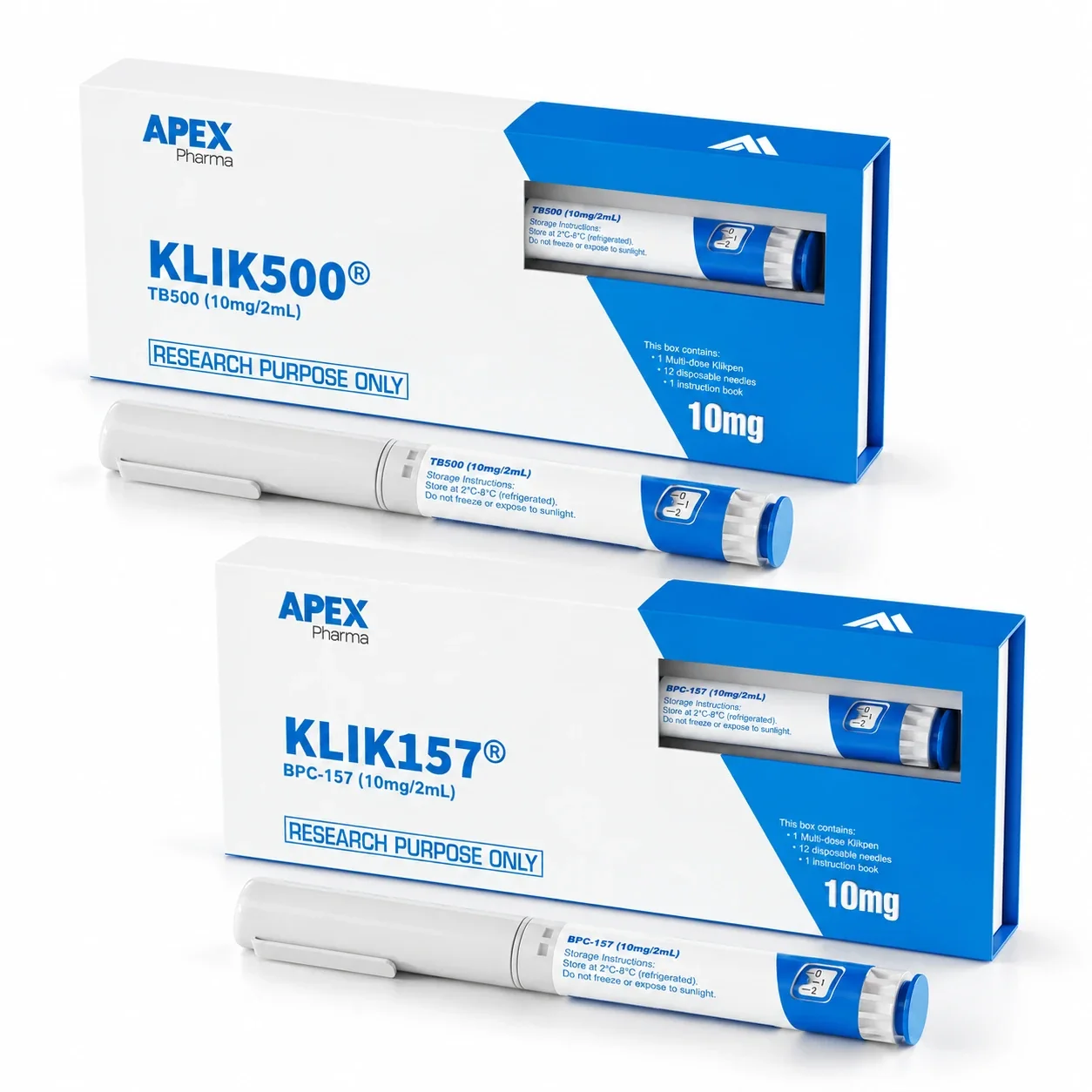
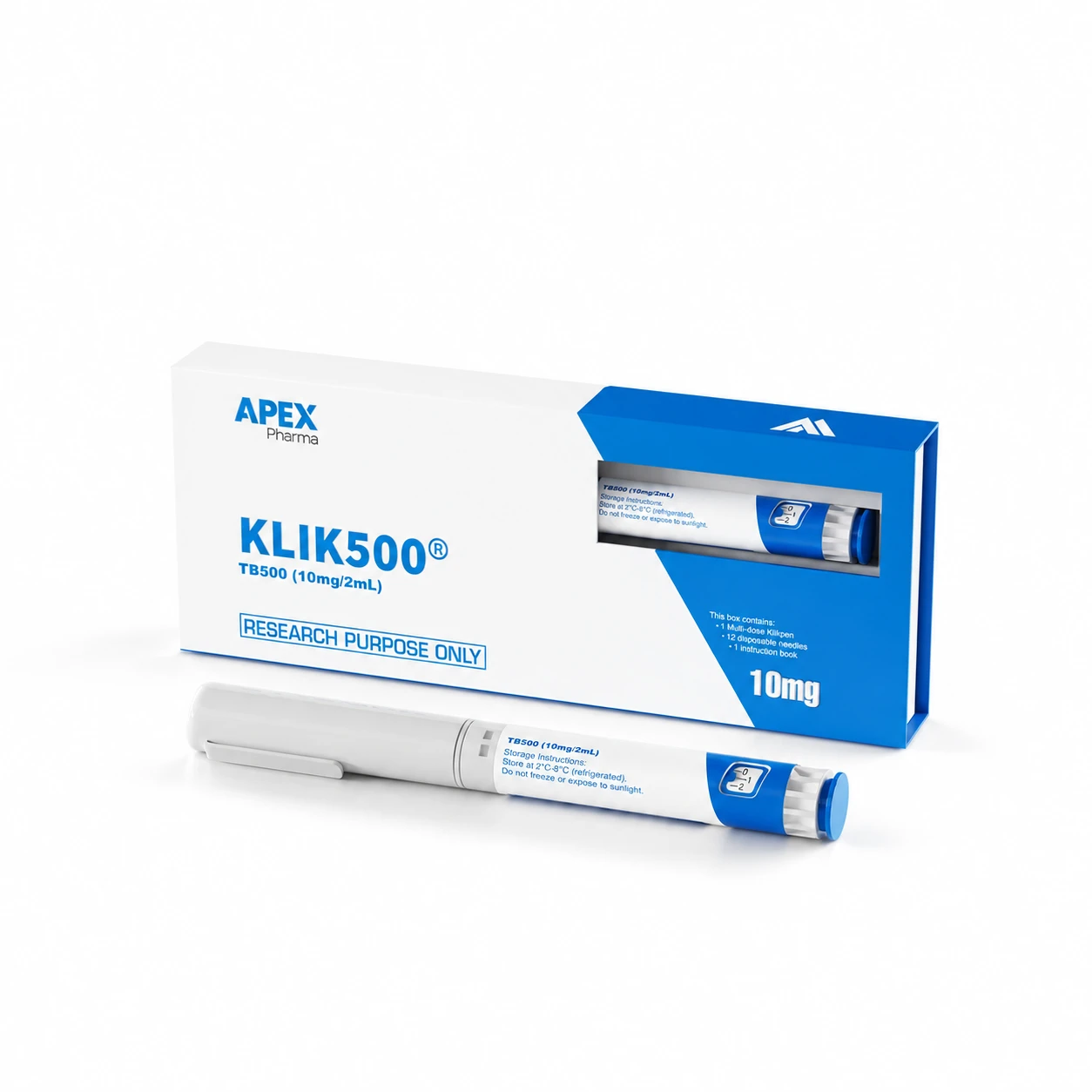
Here is a typical example. You bought the STRENGTH bundle, which contains a KLIK500 pen (TB-500 10mg/2mL) and a KLIK157 pen. You asked about the TB-500 pen. The reply attaches a genuine KLIK500 report, but the batch reference on it differs from the one on your label.
Access to a report is now done. Whether it applies to your stock is still open. A good log records both.
A simple log for TB-500 documentation enquiries
A spreadsheet or a short form is enough. Whatever you use, capture these fields for every enquiry.
- Date sent, and who sent it.
- The product and label name, for example the standalone KLIK500 listing or the KLIK500 pen from a bundle.
- The batch number asked about, exactly as printed.
- Each question, numbered separately.
- Date of reply.
- What was supplied: a report, an explanation, or both.
- A status for each numbered question.
- The next action, and who owns it.
Numbering the questions is the step most people skip, and it is the one that makes the rest work.
Three outcomes worth telling apart
Give each numbered question one of three statuses. Avoid a single status for the whole enquiry.
Answered
The reply resolves the question. File the report and the reply together, and note which question it closed.
Partly answered
Something useful arrived, but a specific point is still unclear, such as the batch match in the example above. Record what was gained and write the follow-up as a narrow question about the remaining point, not a repeat of the original request.
Open
No reply yet, or the reply addressed something else. Note the date and decide when to chase.
Keep the supplier's words and your reading apart
A reply often mixes three things: the report itself, the supplier's explanation and your team's interpretation of both. Keep them distinguishable in the file. If they are blended into one paragraph, an internal conclusion can end up looking like a laboratory finding.
The same applies to corrections. Suppose your team spots that it mistyped the sample description in an internal summary. Record that as an internal correction. It should not read as though a new report was issued when the original document is unchanged.
Closing the record for the next person
When the enquiry is finished, add a short closing note: what was asked, what was supplied and what decision follows. If the purchase is paused, say why. If it can proceed, say which answer allowed that.
Reports for CLOVA products are published on the COA page where available, so the note can point to the exact document rather than a forwarded copy. The material is supplied for research use only, and how long you keep the log should follow your organisation's own record-keeping rules.
Frequently asked questions
Should phone calls or chat messages go in the log?
Yes, if they changed the status of a question. Note the date, who you spoke to and what was said, in your own words, and mark it as a summary rather than a quotation.
What if the reply covers a different product from the one we asked about?
Log it as received but mark your original question as still open. Then reply naming the product and label name you meant, so the next answer is about the right item.
When can we mark the enquiry as closed?
When every numbered question is answered, or when your team has decided an open point no longer matters and recorded why. A closed enquiry with a clear reason is far more useful than one that simply stops.