Research Peptides Online in the UK? Read Past the Search Snippet
A search result is a fragment, not a specification. Here is a way to trace a snippet back to its source page and keep the conditions that give the words their meaning.
When you search for research peptides online in the UK, you get snippets: a title, a line or two of description, sometimes a price. They are good for deciding where to click and poor for deciding what to buy. The extract usually drops the condition that settles what the words mean, such as whether an amount is per pen or per order.
So the job is to work back from the fragment to the page it came from, and to keep the surrounding detail when you copy something into an internal note. The routine below takes a few minutes per listing and makes a later purchase request far easier to defend.
Capture the snippet exactly as it appeared
Copy the snippet word for word, together with the web address and the date. Do not tidy it. If it turns out to be a copy of text published somewhere else, you will want the original wording to compare.
This also gives a colleague a way back. A screenshot with no address is hard to use a month later, whereas a saved link, a date and the exact words you relied on let anyone see where an amount in your request came from.
Find it on the page and check what the page is about
Locate the snippet's wording on the full page, then read the lines directly above and below it. Qualifiers tend to sit there: pack format, what a stated amount refers to, whether a report is linked, delivery terms.
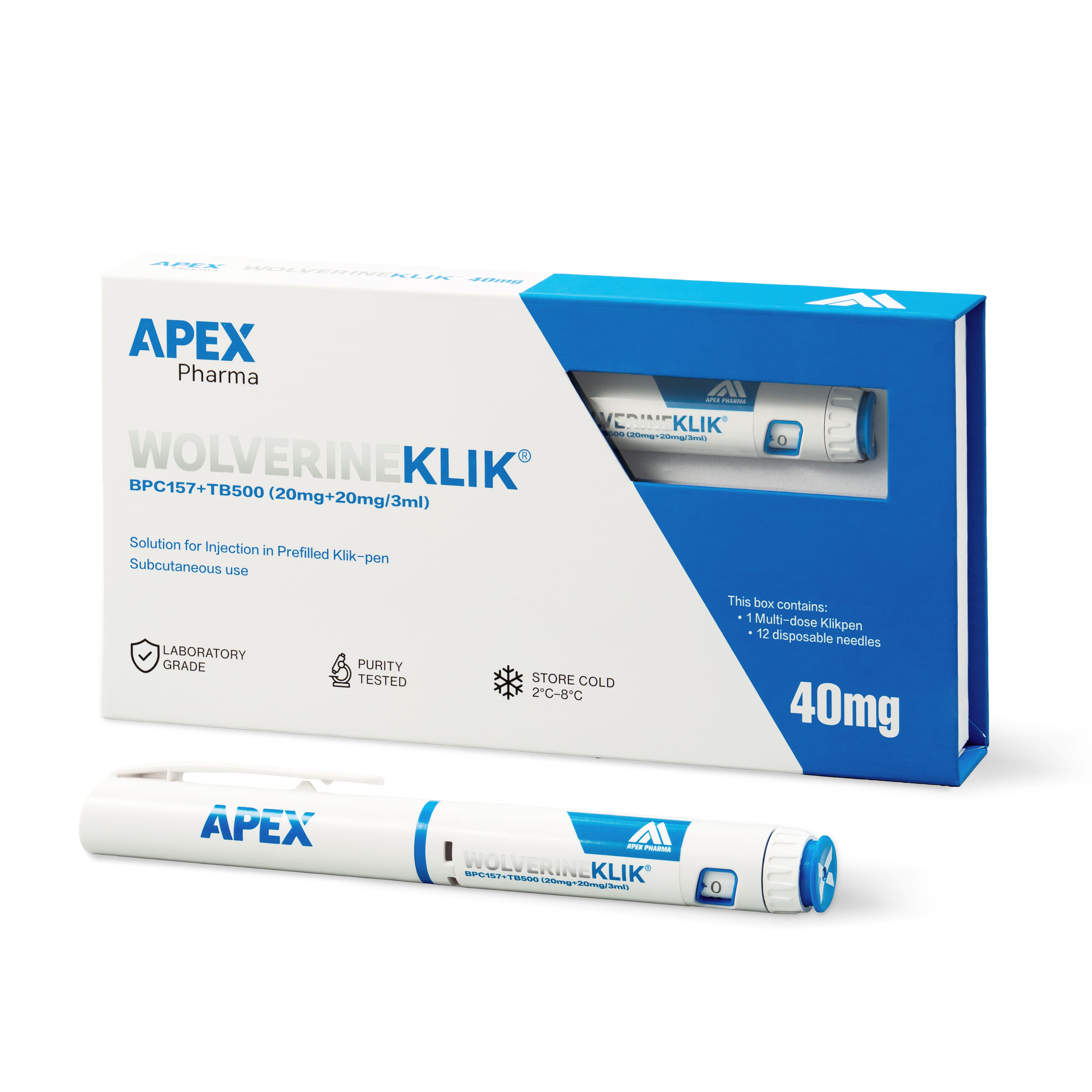
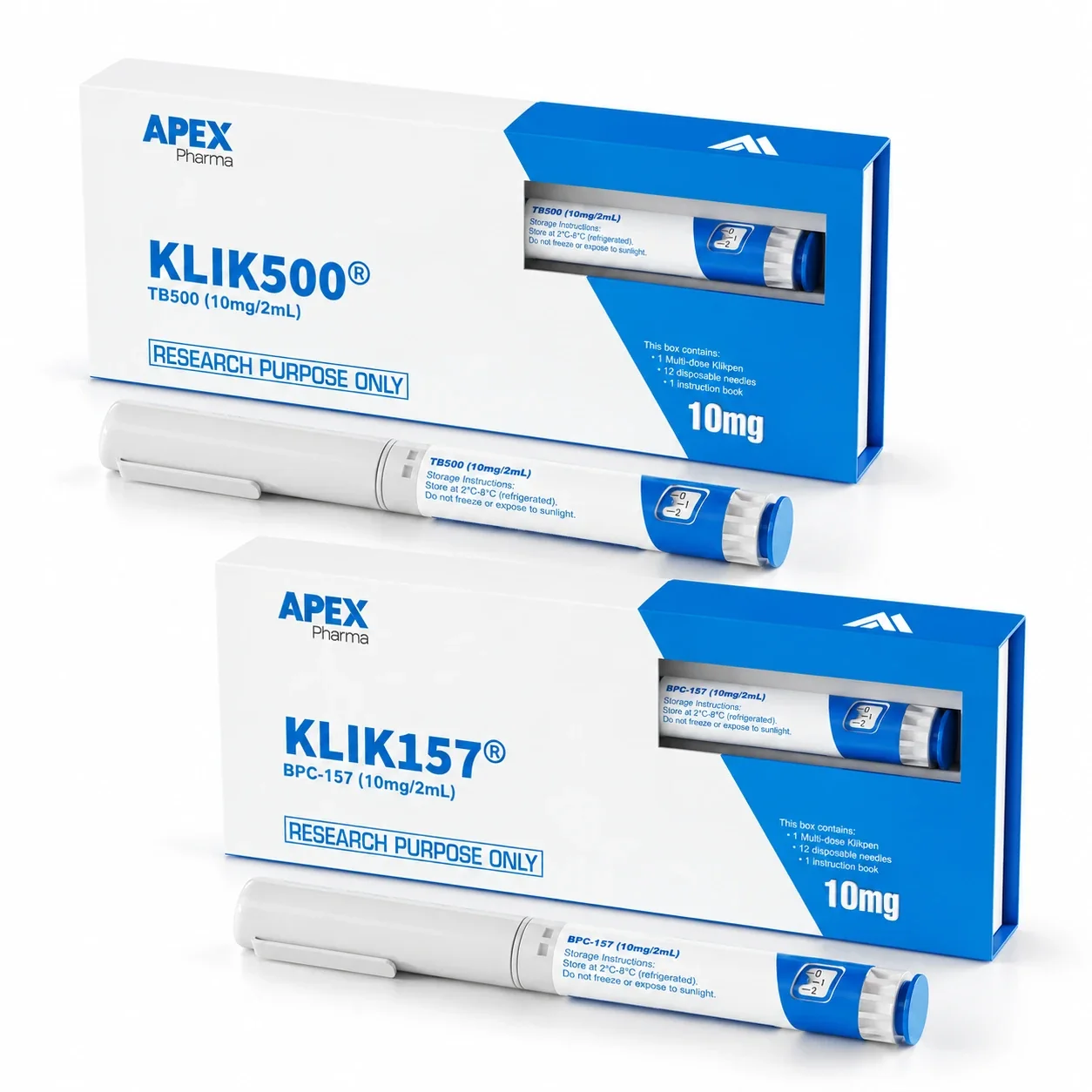
Next, confirm which product the page actually covers. Ingredient names are shared across listings, and a shared name does not make two products the same. CLOVA's Wolverine blend and STRENGTH bundle both involve BPC-157 and TB-500, yet one is a single 3ml pen holding both and the other is two separate pens. A snippet that mentions only the two peptide names could describe either.
Where a page leaves a needed detail unclear, record the gap and put the question to the seller of that listing. Do not borrow the missing field from another page that seems fuller. That page may describe something else entirely.
Opening a report is not the same as assessing it
Finding a document online is progress, but it is a different thing from reviewing it. A certificate of analysis describes a specific tested sample. Reports are published on the COAs page and on product pages where one is available, and each still needs checking for scope and for whether its batch number matches the one on your label.
Opening the link completes neither check, so do not log it as done. "Report located" and "report reviewed" deserve separate lines in your notes.
Quick checklist for any listing you find online
- Snippet copied word for word, with address and date.
- Full page opened and the snippet's sentence located.
- Product type identified: single peptide, blend or bundle.
- Amount and unit read in context (per pen, per component, per order).
- Report status noted: linked, not linked or not yet checked.
- Gaps recorded as questions, not filled in from another page.
- Purchasing stage noted, so an early question is not mistaken for approval to buy.
Turning the review into a sensible enquiry
By the end you should be able to say what the online review settled and what is still open. Perhaps the product identity is clear but a condition attached to a figure needs interpreting. Write that down. A short extract must never become more authoritative than the page behind it.
Then build the enquiry around the open point. "Please confirm quality" invites a vague reply, while "does the report on this listing correspond to the batch I would receive?" invites a specific one. Everything in the research catalogue is supplied for laboratory research use only, so frame the enquiry as a purchasing and documentation question and nothing broader.
Frequently asked questions
Does a listing near the top of the results mean it is reliable?
No. Position in search results reflects how a page is found, not how well it is documented. Judge the listing by what the page states and which documents it links to.
What if the snippet and the page say different things?
Trust the page, note the difference and record the date you saw each version. Pages get updated, so a mismatch is often just a change over time.
Should I screenshot every listing I look at?
Only the ones you rely on. A saved link plus the relevant wording and date is usually enough, and a screenshot is a useful extra for anything likely to change.