Three Numbers on a Peptide COA That Look Alike but Aren't
Report number, batch reference and strength figure can sit lines apart on a COA. Here is how to tell them apart so the right one reaches your purchasing form.
A research peptide COA is full of numbers that look similar and mean different things. A report number, a batch number and a strength figure can sit a few lines apart in the same typeface, and it is easy to copy the wrong one into a purchasing form. Getting them right is the first step towards reading the document properly.
This article is about interpretation, not authentication. It will not tell you whether a given certificate is genuine or whether it matches a batch you hold. It will help you read the figures so that what you record is what the document actually says.
Read the subject before any result
Start at the top, with the sample description and the identifiers. They tell you what the document is about. A catalogue name, a report number and a batch reference play different roles, so none of them can stand in for another.
Keep the original wording in your summary. If you need to explain how the report relates to the item you are buying, put that explanation in a separate note. The next colleague should be able to see what the laboratory reported and what your organisation added.
Three numbers that look alike
- The report number. The reference the issuing laboratory gave this document. It identifies the report, not your pen.
- The batch or lot reference. The identifier for the production run. This is the one to compare with the batch number printed on the label of the pen you hold.
- The strength figure. An amount such as "10mg", which might be a declared strength in the sample description or a value in the results section.
Mixing up the first two is a common slip. Matching a report number to your label will get you nowhere, because the label was never going to carry the laboratory's own reference.
Same unit, different field
Amounts need extra care, because the same unit can appear in two places with different meanings. A sample description may state a declared amount, while a separate line under the analytical results reports a measured value or a percentage. Similar units do not make the two interchangeable.
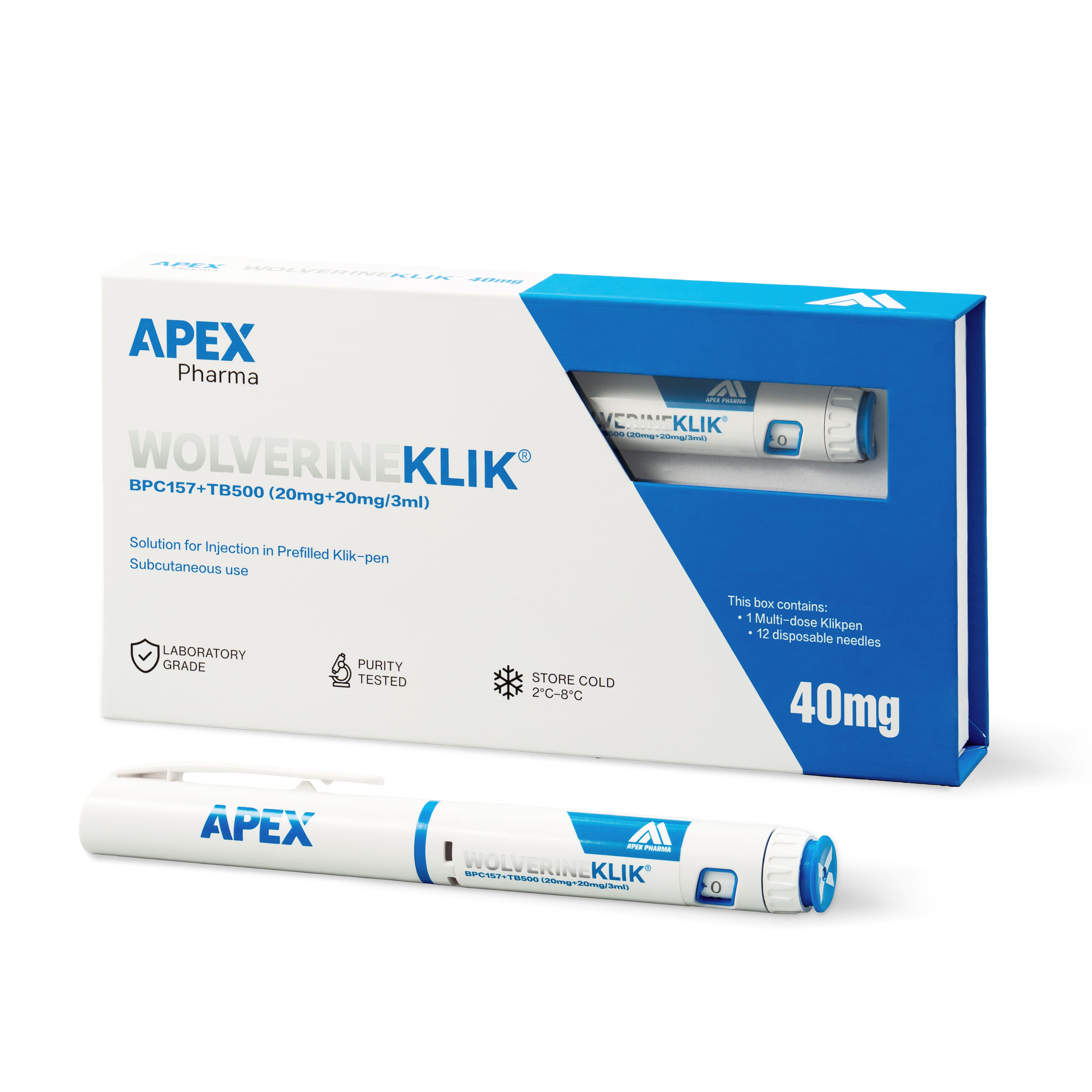
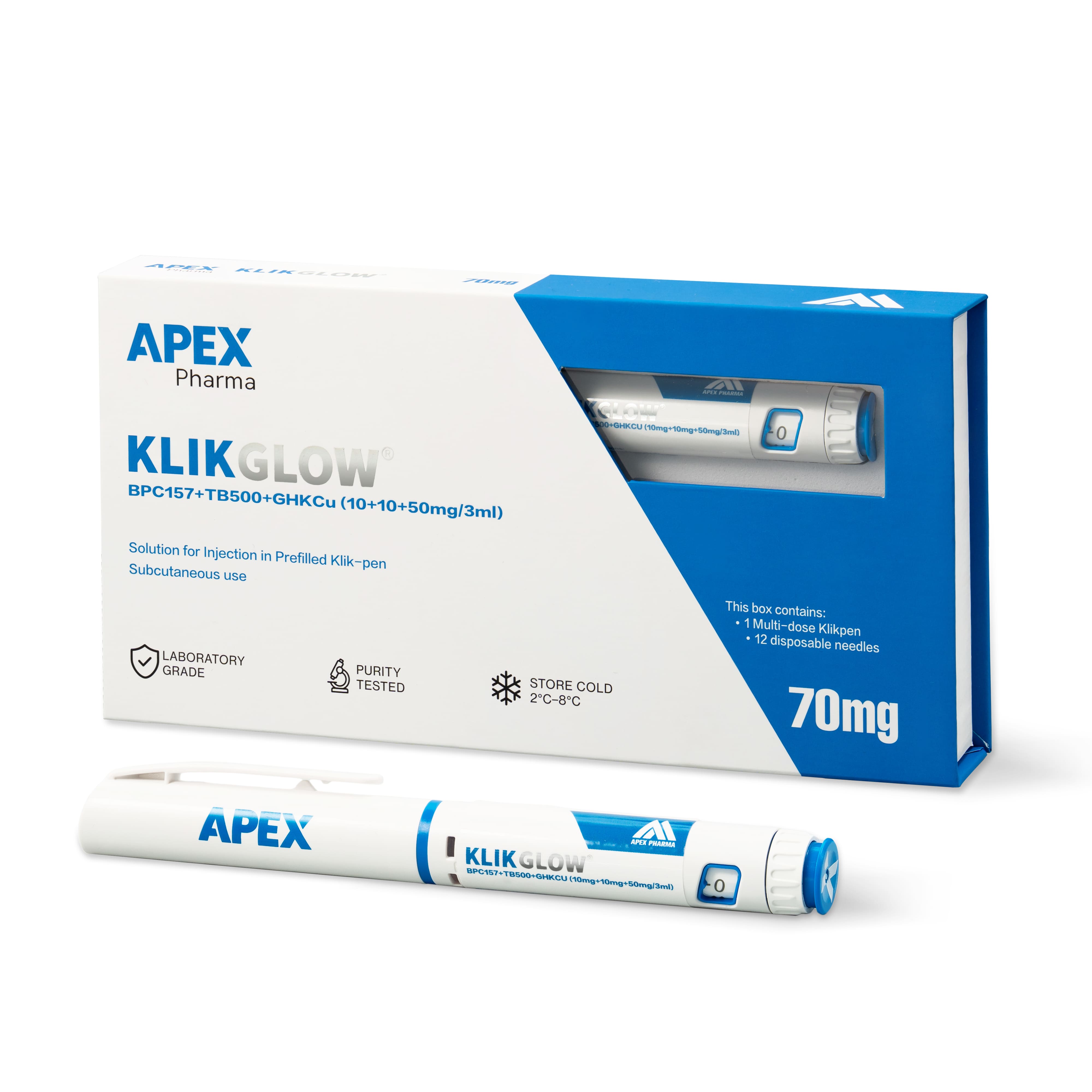
CLOVA's own pens show why. The GLOW pen holds BPC-157 10mg, TB-500 10mg and GHK-Cu 50mg, which is 70mg in total in a 3ml pen. The Wolverine pen holds 20mg of each of its two peptides, 40mg in total. A "20mg" or a "10mg" on a document could therefore describe one component rather than the whole pen. When you meet an amount, ask what it is an amount of.
Copy each number with its unit, its label and any qualifier. A figure separated from its unit or reporting basis can mislead even when it has been copied accurately. If your purchasing form has only a single pass box, add a note rather than an unexplained tick.
If two figures could plausibly mean the same thing, ask rather than choosing whichever one suits the form. Picking the convenient number and presenting it as an established property of the supply is exactly how small transcription slips become records that nobody questions.
What a number does not extend to
A value reported for an identified sample describes that sample. It is not a guarantee for every future order, and repeating it across several internal records does not make the original evidence any stronger.
The same care applies to gaps. If a record does not answer your question, "insufficient for this purpose" is a fair label. It does not mean the report is invalid or that it shows a problem.
Checklist before you copy a figure
- Note the sample description exactly as printed.
- Record the report number and label it as the report number.
- Compare the batch reference with the label on the pen. CLOVA publishes reports on the Certificates of Analysis page and on product pages where one is available, so use the listing to find the right one.
- Write each amount with its unit and the field it came from.
- Mark declared amounts and measured values separately.
- If the figure's meaning is unclear, put the question to the supplier before you record anything.
Record what is left to do
Close your note with what the report supports, what is still open and who owns the next step, whether that is the supplier or a technical colleague. Another general request for paperwork rarely resolves a specific gap. Because everything in the catalogue is supplied for laboratory research use only, a note that records exactly what a document covers is the most useful thing it can hold.
Frequently asked questions
Is the report number the same as the batch number?
No. The report number belongs to the laboratory's document, while the batch reference identifies the production run. Compare the batch reference, not the report number, with the label on your pen.
Can I take the strength from the product page instead of the report?
They may describe different things. A listing states what is offered, while a report describes a tested sample. Record each in its own field and note where it came from, rather than treating them as one confirmed value.
What if the sample name on the report differs slightly from the listing?
Write both down exactly as printed and ask the supplier how they relate. Do not edit the report wording to make it fit, and do not treat the closest-looking name as a match.