Repeat Orders From a UK Peptide Supplier: What to Re-check
Qualify a supplier once, then re-check only what changes. A practical split between the standing supplier file and the checks every repeat order still needs.

Choosing a peptide supplier in the UK is usually treated as a one-off decision. You compare a few options, pick one and place the order. Repeat ordering changes the question: you are no longer deciding whether to trust a newcomer, but whether last time's checks still apply to this time's purchase.
The simplest answer is to split your records in two. One part describes the supplier and rarely changes. The other describes a single order and needs fresh checking whenever you buy. Mixing the two is how a repeat order ends up resting on a product page you read months ago.
What belongs in a standing supplier file
The standing file holds things that stay true from one order to the next. That means who you contact with documentation questions, where reports are published, how the supplier describes dispatch and delivery, and who in your organisation approved the supplier and when. Add the date next to each entry so a colleague can see how old the information is.
For CLOVA, the about page explains who runs the shop and the certificates page is where reports are published. Record, too, that everything is supplied for laboratory research use only, and who in your team is authorised to order it. The research use only explainer is a useful reference for that note.
One caution. A supplier file is not a statement that every product has a report. Certificates of Analysis appear where a report is available, so each product still needs its own check.
What to re-check on every order
Treat this list as the part of the process that never gets skipped, however familiar the supplier feels:
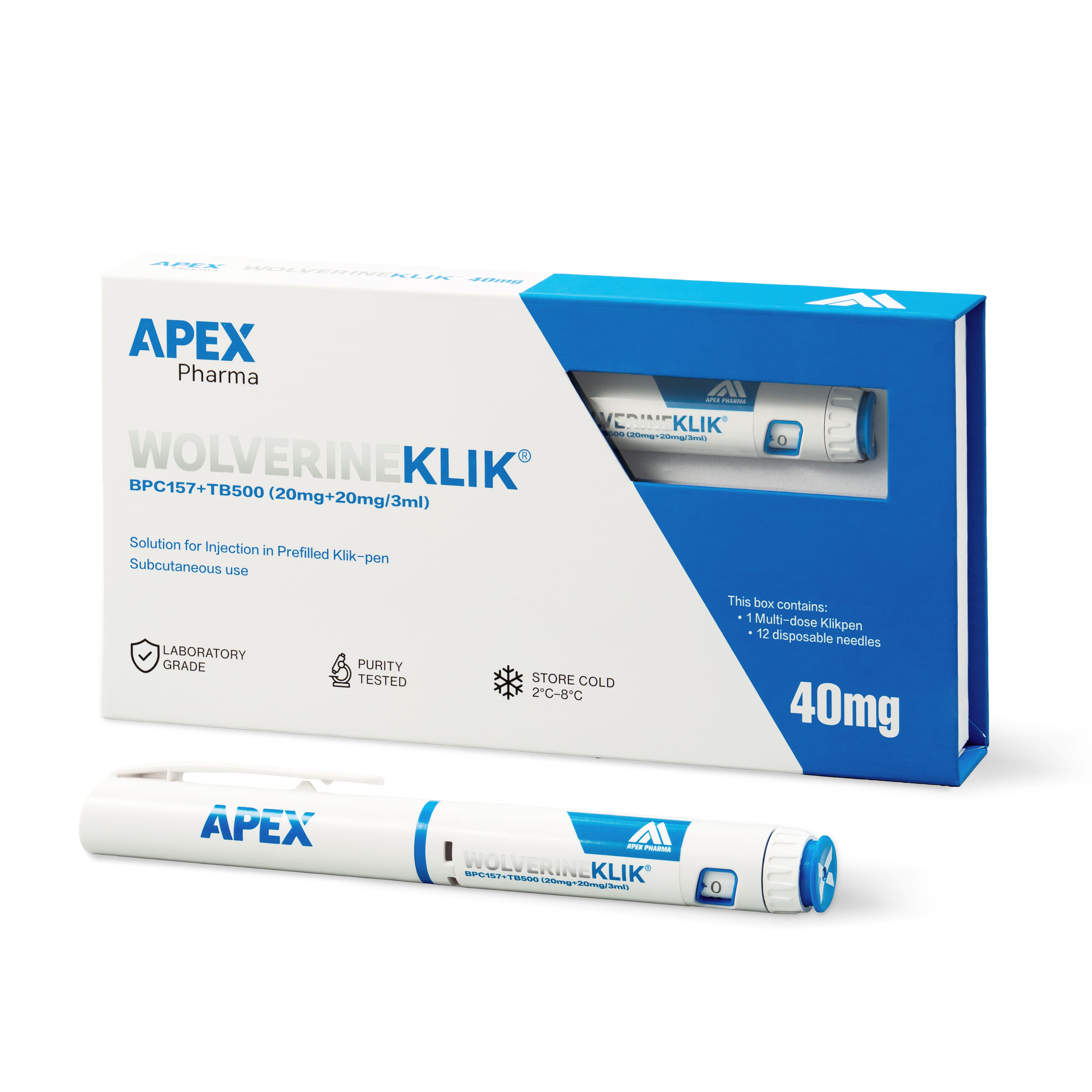
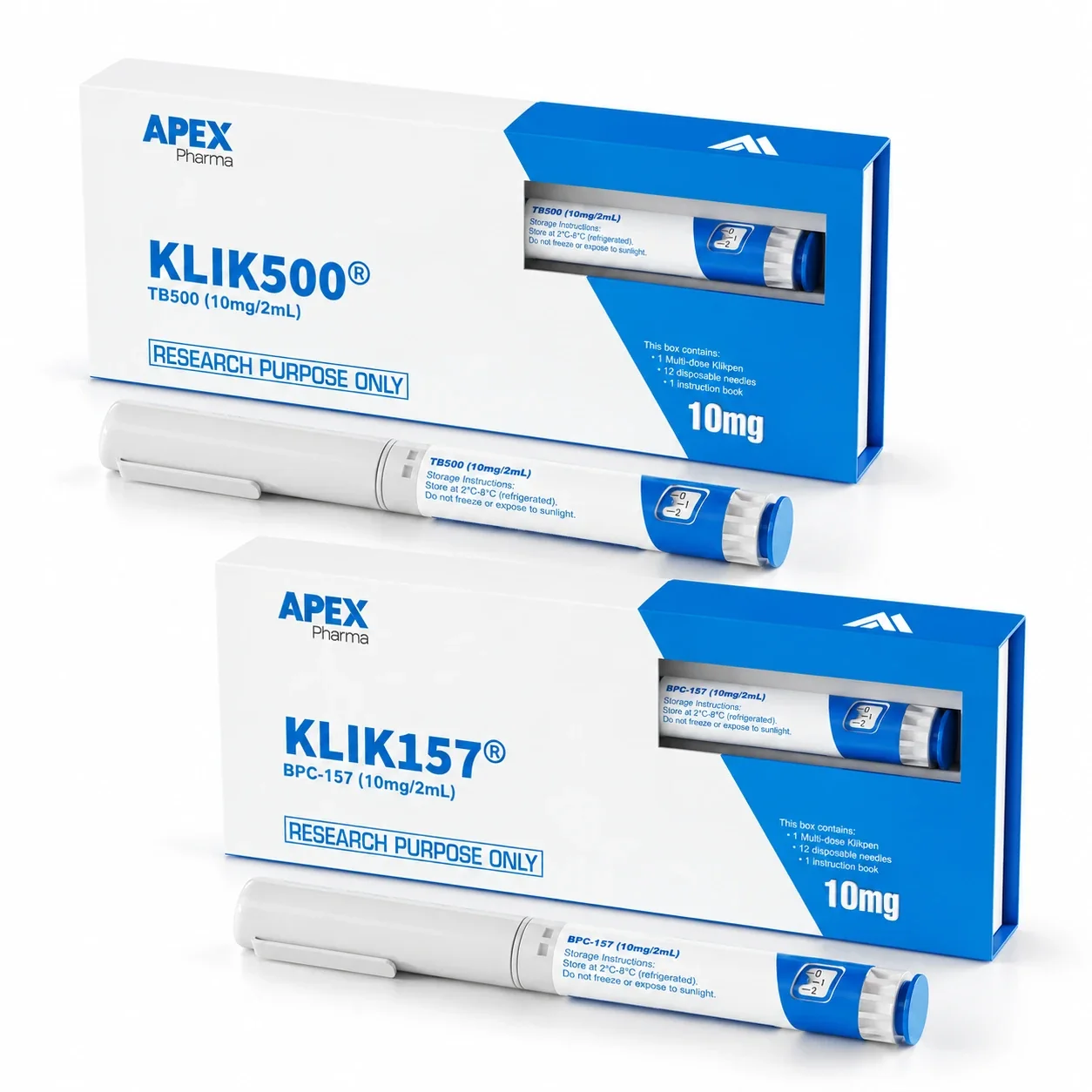
- Listing name and amount. Compare today's wording with your last purchase record. Similar names can hide different contents: the Wolverine blend is one 3ml pen holding BPC-157 20mg and TB-500 20mg, whereas the STRENGTH bundle is two separate pens.
- Batch number against the report. Read the batch number on the label and match it to the report, if one is available for that product.
- Price on the day. Use the current figure, not the one in last quarter's spreadsheet.
- Dispatch timing. Orders paid before 1pm UK time, Monday to Friday, are dispatched the same working day, so work back from your own deadline.
- Receiving. Parcels ship cold by tracked delivery in discreet unbranded packaging, so confirm who will be there to take them in and that fridge space at 2–8°C is ready.
- Quantity and pack type. Check the order line still matches the approved requirement.
When a repeat order needs a fresh review
Some changes mean the old approval no longer covers what you are buying. Go back to a full check if any of these apply:
- the listing name, amount or pen format has changed since you last ordered
- the batch number on the delivered pen differs from the one you recorded
- you are buying a product you have not bought before, even from the same supplier
- the person ordering or receiving has changed
- your project brief has moved on
- a report you relied on has been replaced
Here is a typical case. A lab bought TB-500 10mg last time and now asks for "the TB-500 and BPC-157 together". That could mean the STRENGTH bundle, which is two pens, or the Wolverine blend, which is one. Each has its own listing, amounts and paperwork, so a repeat order for something familiar-sounding is really a new qualification question.
Keep a short order log
You do not need an elaborate system. One row per order is enough: date, product and amount exactly as listed, batch number from the label, whether a report was found and matched, the price basis, who received the parcel, and a free-text note.
When the next order comes around, the log tells you quickly what was true before, so you can concentrate on what has changed. It also gives an approver something concrete to read. The delivery information page is worth rereading at the same time, in case dispatch or delivery terms have been updated.
Frequently asked questions
How often should I re-qualify a supplier?
There is no fixed interval that suits every organisation. Follow your own procurement policy for review dates, and re-qualify earlier whenever a listing, batch, contact or project requirement changes.
Does the report from my last order cover this one?
Not automatically. A report describes a particular batch, so check that the batch number on the new label matches the batch number on the report. If it does not, treat the new pen as undocumented until you have an answer.
Does same-day dispatch mean same-day arrival?
No. Dispatch is the day the parcel leaves, not the day it arrives. Plan your receiving around the tracked delivery details rather than the dispatch cut-off.