Which Questions to Ask a GLOW Peptide Supplier in the UK
Most supplier questionnaires are too long. Read the site first, ask only what it leaves open, and learn to tell a specific answer from a reassuring one.

Say you have inherited a fifteen-point supplier questionnaire from a previous purchase and been asked to send it to a GLOW peptide supplier in the UK. Sending it as it stands produces a pile of generic answers and very little you can use. A better approach is to read the website first, work out which questions it already answers, and ask only the ones that remain.
The aim is to separate what you can find out yourself from what only the supplier can tell you, and then to read the answers for what they actually say. This article does not rank suppliers or certify any of them. It is about asking fewer, sharper questions.
You will end up with a short list that fits on one email, and a way to log each reply.
Start with what the website already tells you
Many standard questions are answered in public. Before writing to anyone, look for:
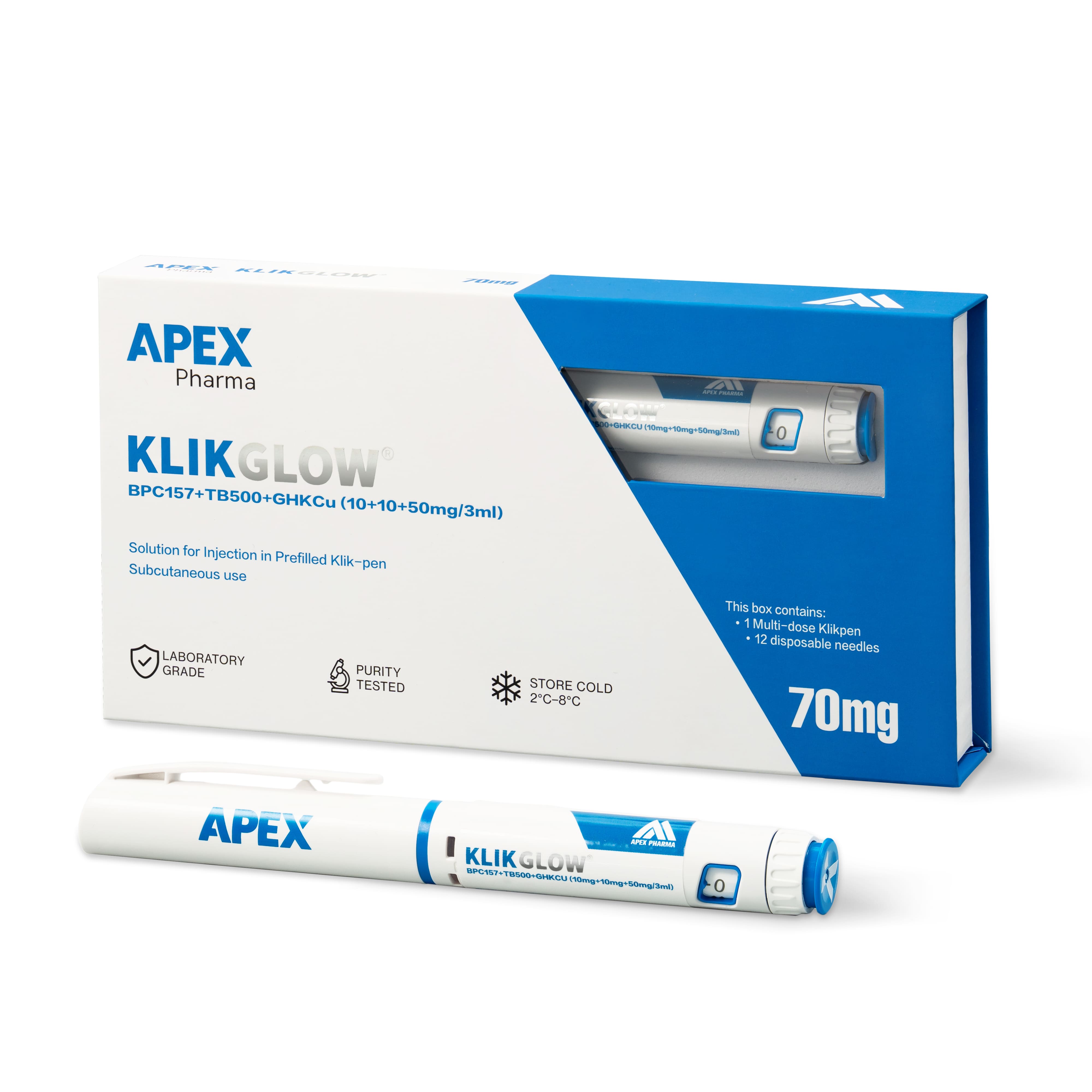
- the contents and format stated on the product page, such as the GLOW listing, which gives components, amounts and pen size
- whether Certificates of Analysis are published, on the COAs page or on the product page
- dispatch and delivery details, on the delivery page
- what the supplier says about itself, on pages like About CLOVA
- storage guidance and the returns policy
If a question is answered there, quote the page in your notes and leave it out of the email. It saves the supplier's time, and it shows you read their site.
Questions worth asking directly
These are the ones a website often cannot settle:
- Is there a report for the batch I would receive, and can the batch number be confirmed before dispatch?
- Does that report cover the GLOW blend itself, or only one of its components?
- What will the label on the pen read, and does it include the batch number?
- Is the item in stock, and when would an order placed today be dispatched?
- What paperwork comes with the order, such as an invoice with particular details?
- Who do I contact if the batch number on the label does not match the report?
Each one has a checkable answer. A good reply points to a document, a date or a name.
Questions that sound useful but rarely are
Some questions generate comfort rather than information.
- "Are you a trusted supplier?" Nobody answers no. Ask instead for the specific document or process you were hoping that answer would reflect.
- "Is it pure?" Without a report and a batch number, this is a claim with nothing attached. Ask for the report for the batch.
- Questions about outcomes. What a material does in living systems is not something a supplier of research materials can answer. A listing covers contents and documentation, and GLOW is supplied for laboratory research use only.
Reading the answers
When a reply arrives, check three things before you file it.
First, who issued the document? A supplier can forward a report without being the party that produced it. Note both. Second, does the answer match the question? A reply about price is not a reply about testing, and a general statement about quality is not a batch report. Third, is it a commitment or a description? "We can usually dispatch quickly" is not the same as a confirmed dispatch date.
Keep every answer attached to the question that prompted it. A short log with the question, the reply, the date and the open point is enough. When the pen arrives, the batch number on the label is what ties the paperwork to the physical product.
Trimming an inherited questionnaire
Go through the old list one line at a time. Delete anything the website answers. Delete anything that asks for reassurance rather than a document. Reword what remains so each question can be answered with a fact, a document or a date. If a question belongs to a different material's checklist and has no bearing on this purchase, drop it.
What is left is usually five or six lines, and every one of them can be answered in a sentence.
Frequently asked questions
How many questions should a first email contain?
Aim for the half dozen that the website cannot answer. A short message with specific questions tends to be easier to answer fully than a long form, and easier for you to assess when the reply arrives.
What if the supplier does not answer a question?
Record it as unanswered and note why it mattered. You can ask once more, more narrowly, or decide the gap is enough to stop considering that candidate. Either is a reasonable outcome.
Should purchasing or the technical team judge the replies?
Purchasing can collect and organise the answers. Judging what a report establishes for your project belongs with the technical reviewer, so make sure the replies are passed on with the original questions attached.