Showing Your Approver How a Peptide Discount Was Calculated
A discounted total without its working is hard to approve. This five-line calculation note lets a budget holder check the figure in moments.
When a research peptide order goes through a promotion, the approver usually sees one number: the final total. Without the working behind it, a budget holder can't tell whether the peptide discount calculation was applied once or twice, to the right items, or to the delivery charge as well. A lower figure is only welcome if it is correct.
The simplest fix is a short calculation note attached to the request. It shows where the price started, what the offer did to it and what the approver is actually being asked to sign. It doesn't need a spreadsheet. Five lines usually do it.
What the approver needs to see
Approvers aren't checking your arithmetic for fun. They want to know three things: what is being bought, what it will cost, and whether that cost is firm enough to commit funds against.
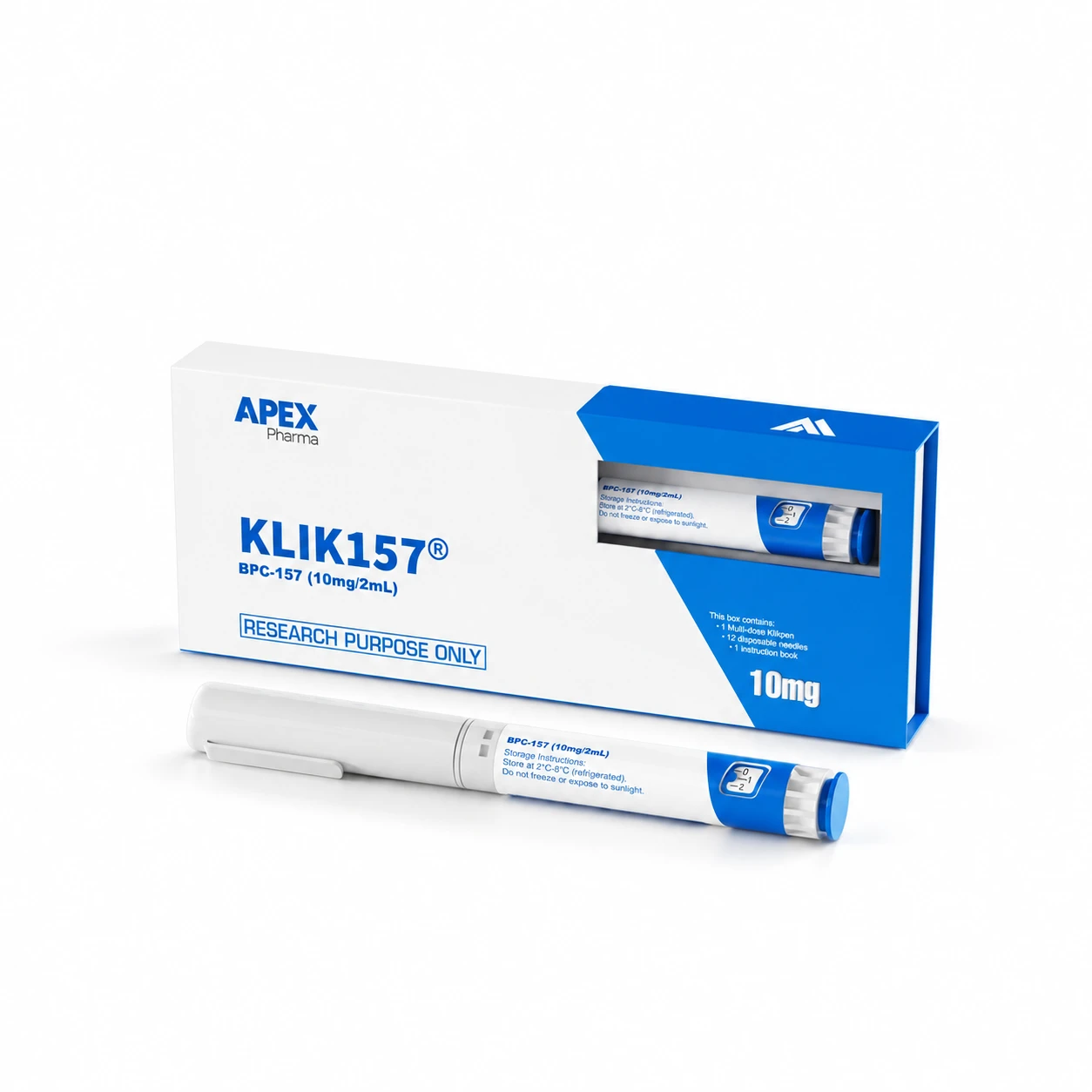
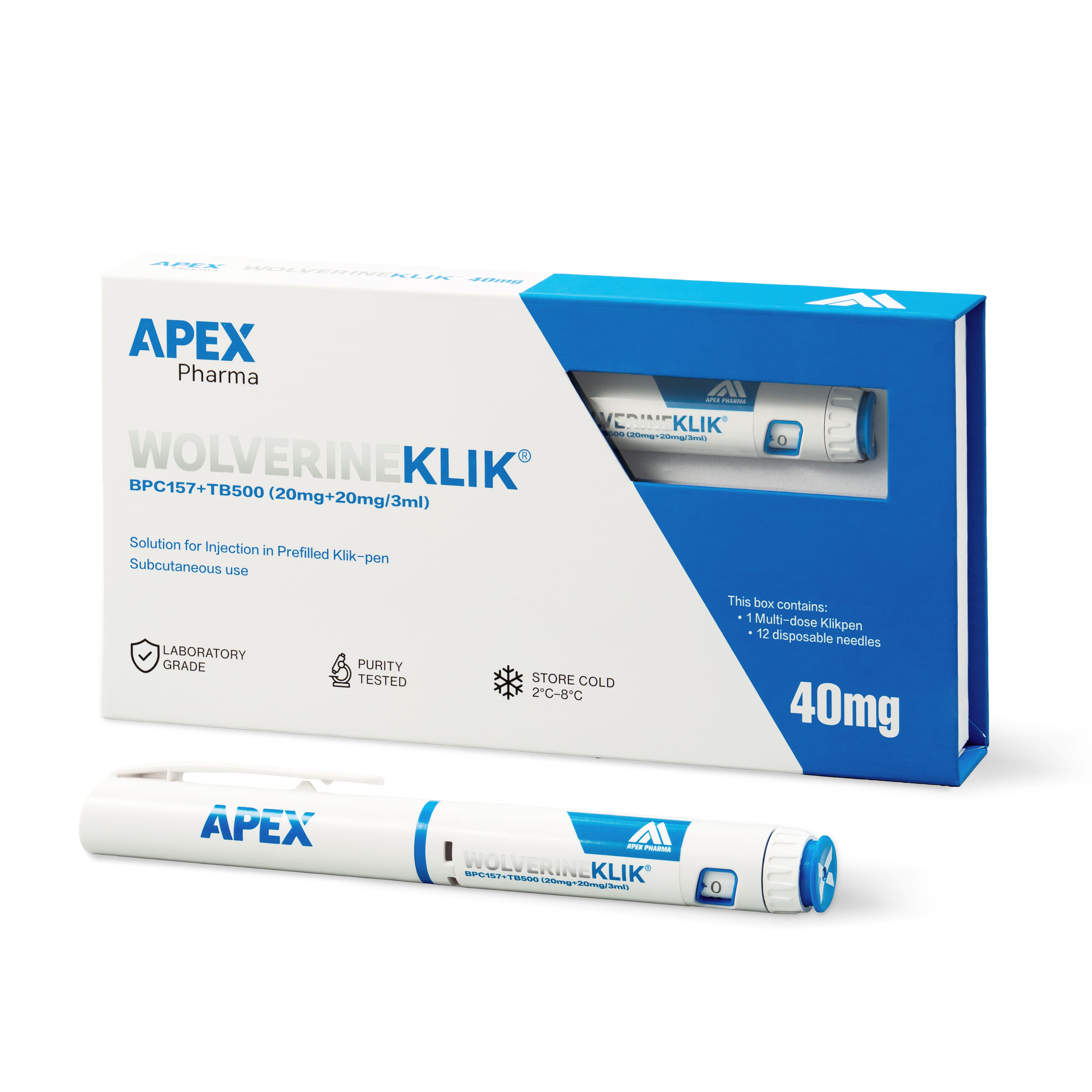
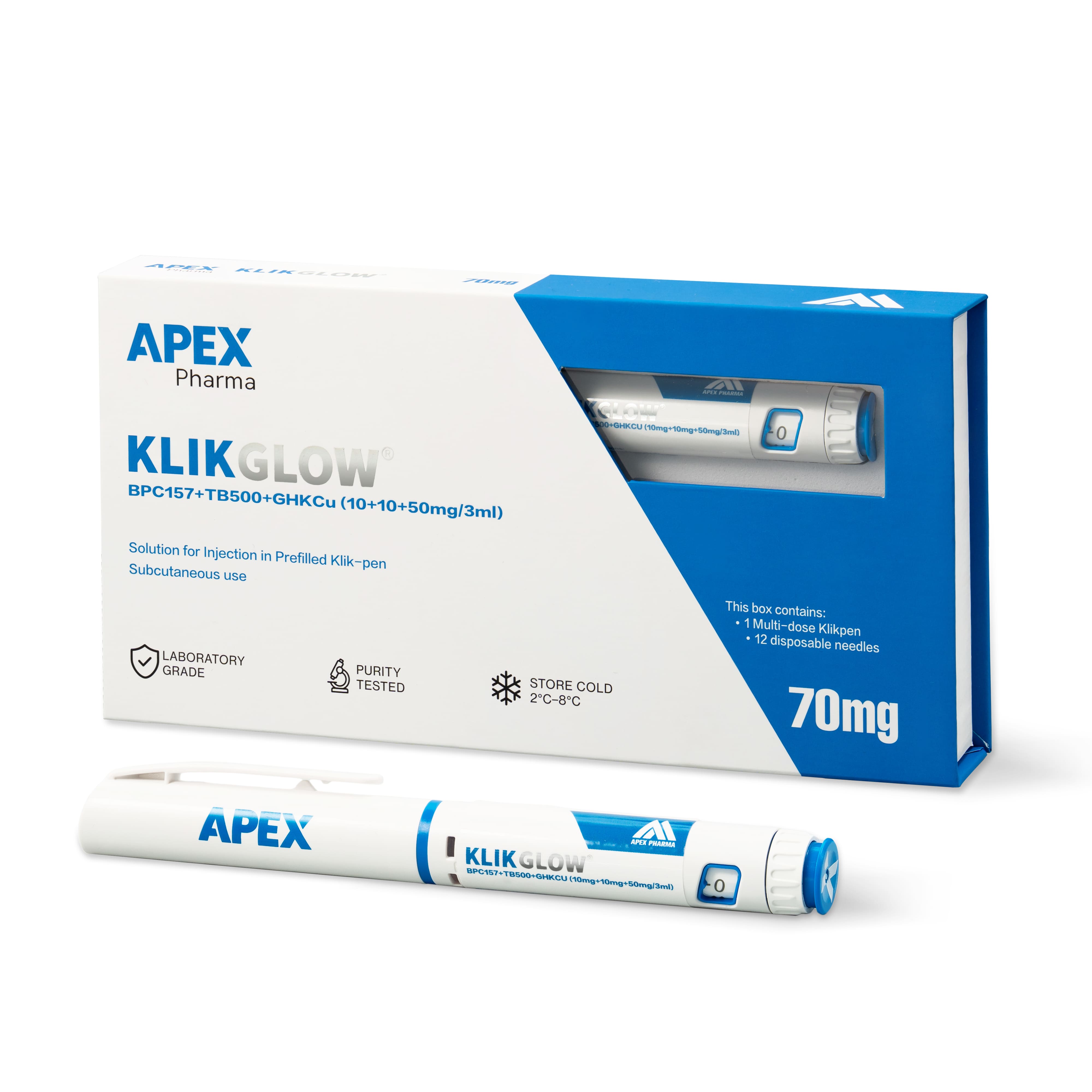
Start by naming the exact items, using listing names rather than shorthand. "BPC-157" could mean the single KLIK157 pen, a blend such as Wolverine or GLOW, or the STRENGTH bundle. A discount on one of those says nothing about the others.
Then say what stage the figure belongs to. Is it a planning estimate taken from the catalogue today, or the total from a basket that is ready to pay? Those support different decisions, and an approver should never mistake an estimate for a commitment.
The five-line calculation note
Lay it out like this, in plain words:
- Items and count: the listing names and the number of each.
- Starting total: the price shown before any promotion, with the date you checked it.
- Promotion applied: what the offer is and what it applied to, as confirmed at checkout rather than assumed.
- Delivery: on its own line, so nobody wonders whether the discount touched it. The delivery information page explains how orders are sent.
- Final payable total: the figure the approver is being asked to authorise.
Every line can be checked. If any line is unknown, write "to confirm" rather than filling the gap with a guess. An honest gap is easier to approve than a confident number that later changes.
Common calculation slips
Most errors come from good intentions. Watch for these:
- Applying a percentage to a total that was already reduced, so the saving is counted twice.
- Assuming a code covers every item when the offer is limited to certain listings.
- Comparing a discounted bundle against single items that don't match its contents.
- Quoting a price captured weeks ago as if it were current.
If you spot one of these after the request has gone in, correct it, even if the new total is higher. Accuracy matters more than a flattering number, and the approver will trust your next request more for it.
Keep price and product acceptance separate
A good price doesn't tell anyone that a product suits the project. Identity, documentation and relevance are separate questions for the researcher. If a test report matters, the researcher checks the Certificates of Analysis where one is available and matches the batch number on the label once the item arrives.
Your note can say this in a single line: "Budget figure confirmed; product review by the research lead still open." That way the approver can accept the cost without appearing to approve everything else at the same time.
When the figure changes later
Prices, offers and requests all change. If the total moves, record why. Did the promotion end? Did the team change the items? Did you correct your own reading of the offer? These are different events. Saying "the price went up" when the real cause was a corrected calculation is unfair to the supplier and confusing for the approver.
Keep the original note and add the revised one beneath it, so anyone reviewing the file can follow the sequence without digging through emails. Everything CLOVA supplies is for research use only, and your organisation's purchasing rules decide who can approve what. The note simply makes that decision quicker and better informed.
Frequently asked questions
Do I need to show the working if the discount is small?
Yes, briefly. Approvers need the basis of any figure they sign, whatever the size of the saving. Five short lines take very little time and head off most follow-up questions.
Should delivery be included in the discounted total?
Show delivery on its own line, then include it in the final payable figure. That makes it obvious whether the promotion affected delivery and saves the approver from guessing.
What if the promotion ends before we order?
Update the note with the new total and say why it changed. Keep the earlier version for reference so the change is easy to trace.