A One-Page Fact Sheet for the Legal Review of a Blend Purchase
No web article can say whether a blend purchase is permitted for you. What you can do is brief your adviser well. Here is a one-page fact sheet to start from.
If you have searched for whether a BPC-157, TB-500 and GHK-Cu blend is legal in the UK, you will have noticed that nobody online can give you an answer worth relying on. That is not a failing of the search results. The answer depends on the exact item, what your organisation intends to do with it and what anyone says about it in writing.
What you can control is the quality of the brief. A legal review of a peptide blend proposal is only as useful as the facts it starts from, and a vague request tends to produce a vague reply. This article sets out a one-page fact sheet to prepare before you approach your legal or compliance contact. It is not legal advice, and it does not say that any activity is or isn't permitted.
Start with the activity, not the product name
Your adviser needs to know which decision is waiting on their answer. Asking a supplier questions, buying a pen for a bench project, storing it on site, passing it to another group and publishing something about it are different activities, and each can raise different questions.
Compare two requests. "Is GLOW legal?" gives a reviewer nothing to assess. "Our lab has approved a bench project and wants to buy two GLOW pens from a UK supplier; they would be kept in the lab fridge and handled by named staff" describes a real activity. The second version may produce an answer you did not expect, which is why it is worth asking.
What goes on the fact sheet
Keep it to one page, with attachments behind it. These are the items worth including:
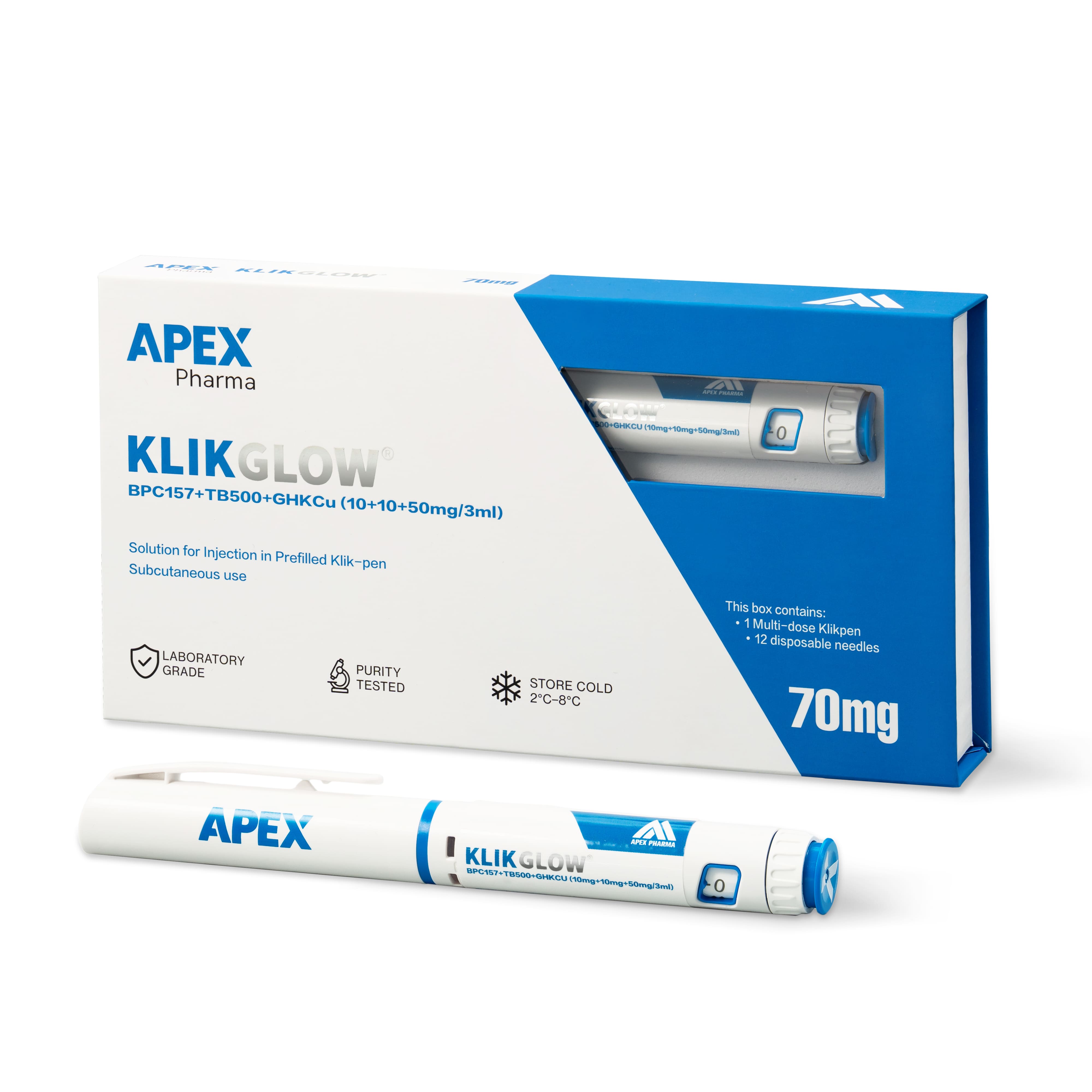
- The item as listed. Product name, label name (KLIKGLOW for the GLOW pen), format (one 3ml pen) and the declared amounts: BPC-157 10mg, TB-500 10mg and GHK-Cu 50mg, 70mg in total.
- Evidence of the listing. A dated screenshot or saved copy of the GLOW product page, so the reviewer sees the wording you saw.
- Any report for the batch. If a Certificate of Analysis is published for the batch, attach it and note the batch number printed on the label. Reports appear on the COAs page and on product pages where one is available, so do not assume there is one.
- The proposed activity, in a single sentence, and who will carry it out.
- Receiving and storage. Where the item would arrive and be kept (supplier guidance is 2–8°C, away from light) and who is accountable for it.
- Wording you plan to use. Any internal summary, web copy, slide or email that describes the item.
- What you do not know, written down as unknowns rather than quietly filled in.
- The decision date. What the answer will decide, and by when.
Keep supplier statements, your reading and the gaps apart
Reviewers read quickly, and a paragraph that blends everything makes a tentative interpretation look confirmed. Three plain labels fix that:
- Stated by the supplier. The product name, the label name and the declared amounts.
- Our reading. Your interpretation, for example that the pen is one blended product rather than three separate items.
- Not yet known. For instance, whether a report exists for the batch you would receive, or whether the supplier could substitute a different listing.
Your adviser can then confirm your reading, correct it, or tell you which unknown needs closing before they can say anything firm.
Don't tidy the brief to get a friendlier answer
It is tempting to describe the item in the most neutral terms for the review while planning to describe it differently elsewhere. Advice attaches to the facts it was given. If the wording your colleagues later publish or circulate is stronger than the version the reviewer saw, the answer may not cover it.
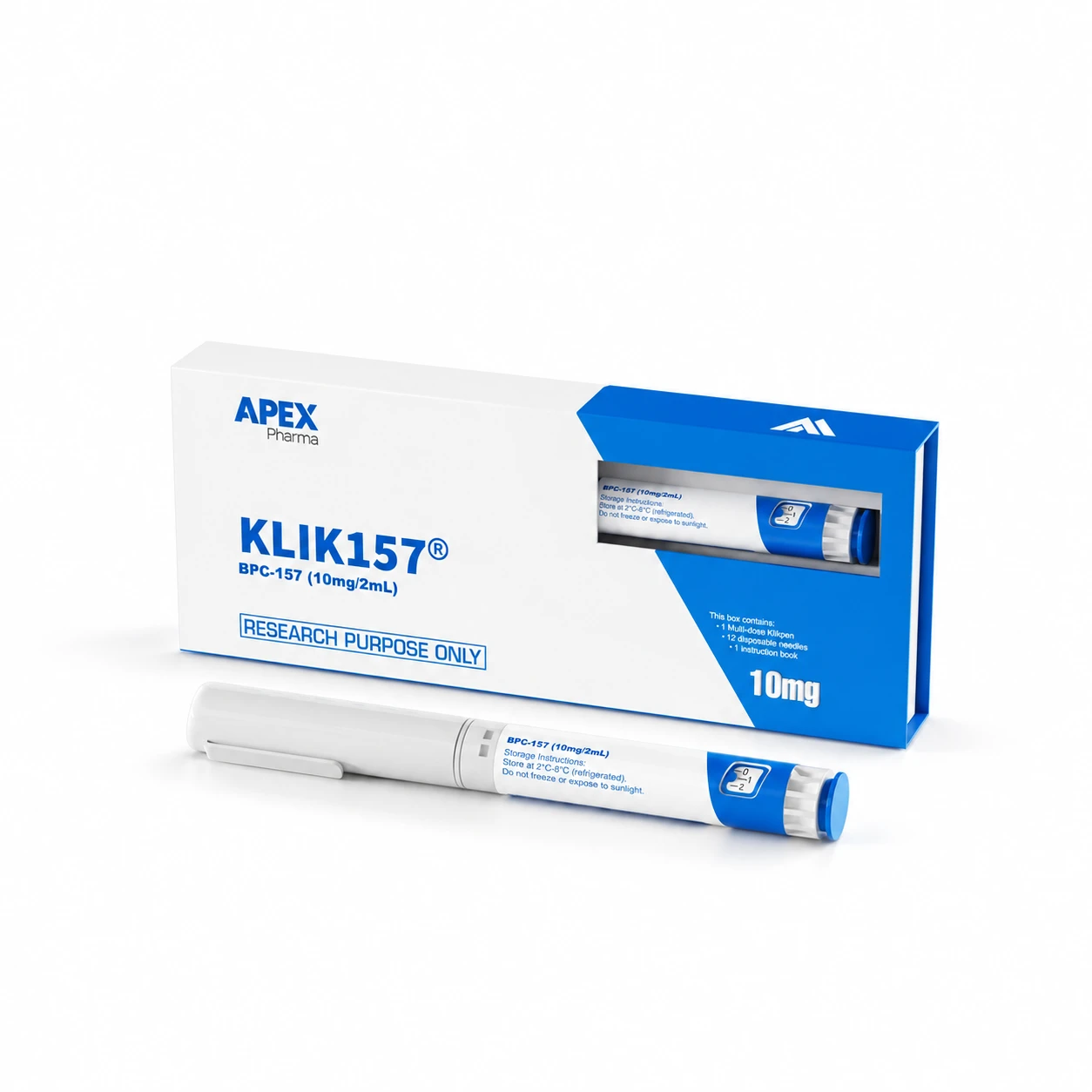
Labelling needs the same care. A product supplied for laboratory research use only tells you how the supplier offers it, and our explanation of that wording is worth reading in full. It is not clearance for your own activity, so present it to your adviser as one fact among several.
Tie the answer to its scope
When the reply comes back, record who gave it, the date, the item and the conditions it assumed. Then decide in advance what would send you back for a second look: a different pen offered by the supplier, a change to the activity, a new internal description. An answer about one proposal does not automatically carry over to a modified one.
For background on the supplier, the about page is a sensible addition to the reviewer's file.
Frequently asked questions
Can CLOVA tell me whether I am allowed to buy a blend?
No. CLOVA can describe what it lists, but each organisation is responsible for checking the rules that apply to its own activity. Your legal or compliance contact, or an external adviser, is the right person to ask.
Should I attach a Certificate of Analysis to the brief?
If one is published for your batch, yes, with the batch number from the label. It is evidence about the analysis of a sample, which is useful context, but it does not answer a legal question on its own. If no report is available, say so on the fact sheet.
How long should the brief be?
One page of facts plus a short list of attachments is usually enough. A reviewer can always ask for more, but they cannot easily ask for something you did not realise they needed.