Four Paperwork Mismatches That Count as Laboratory Peptide Red Flags
A red flag is not an ugly PDF. It is two pieces of information that should match and do not. Here are four paperwork mismatches worth stopping for.

Lists of laboratory peptides red flags often treat anything unusual as a warning: a plain-looking PDF, a short reply, a quiet product page. That is not very useful, because it sends you chasing things that mean nothing and can distract you from the ones that do.
A tighter definition works better. A red flag is a place where two pieces of information that should agree do not. If you check for those, you will catch most of the problems that matter before an order is placed, and you will not waste time on ones that don't.
What counts as a red flag, and what doesn't
Some things look alarming but are only questions. A product page with no report linked is one. Certificates of Analysis are published on CLOVA's CoA page and on product pages where a report is available, which means a missing report tells you to ask, not that anything is wrong. Treat it as an open question and put it in writing.
A red flag is different. It appears when you lay the listing, the label and the report next to each other and find they disagree. Four mismatches are worth checking every time.
Names and batch numbers that don't line up
Name. The product name on the listing, the name on the report and the label name should all point at the same material. Differences in punctuation, such as BPC157 and BPC-157, are usually harmless but still need a note linking them. A different name altogether is a different matter.
Batch. The batch number on the pen you would receive should be the one on the report. If the report quotes a batch the supplier cannot connect to current stock, you have evidence about a sample, not about your item. Ask which batch the listing currently refers to, and ask before you pay.
Reports that describe a different material or an unknown date
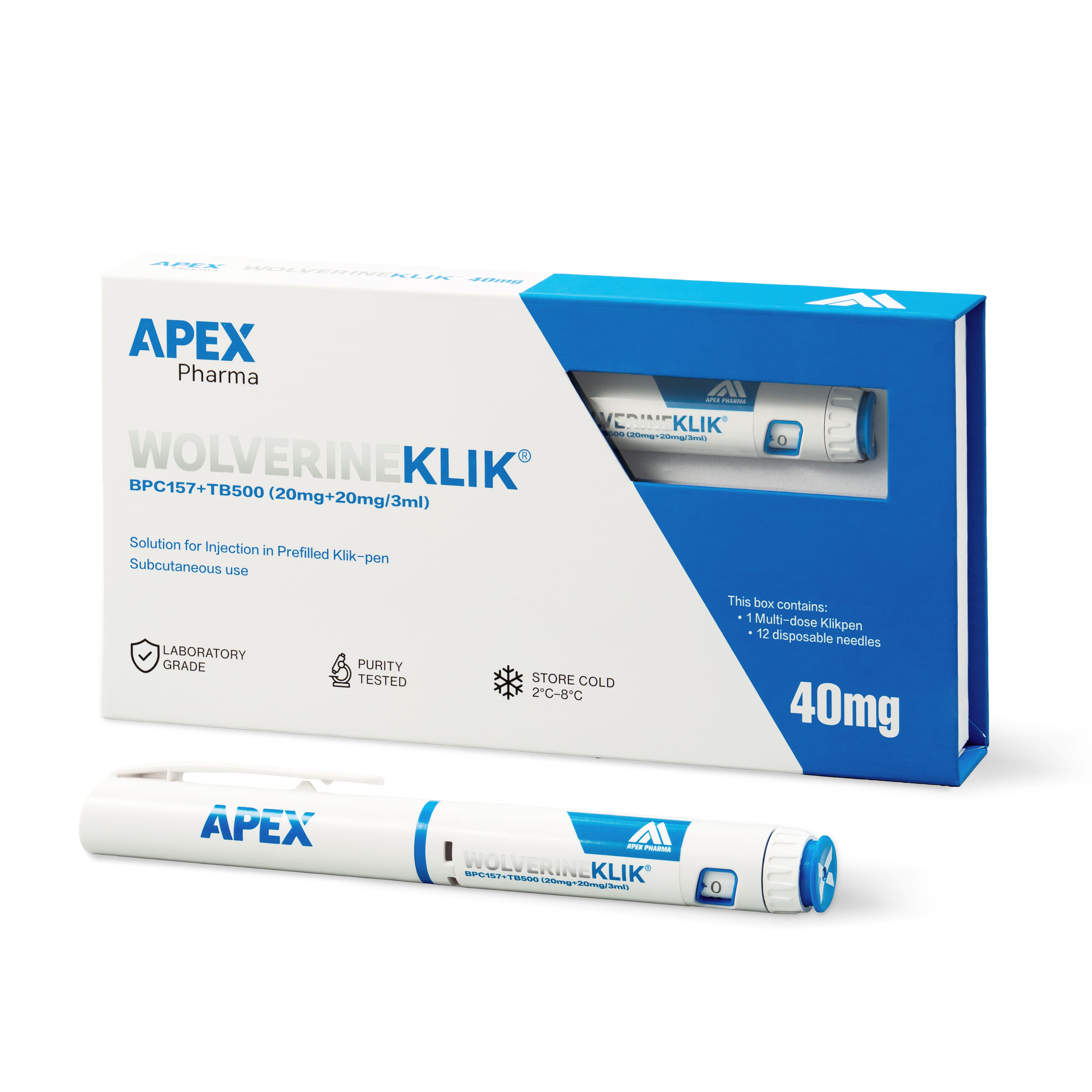
Scope. Imagine a pen listing for a blend, with a report headed with a single peptide name. The Wolverine pen, for instance, contains BPC-157 and TB-500 together, so a report that covers one peptide cannot stand in for a report on the pen. Read what the document actually says it analysed, and look at the Wolverine listing alongside it if that is the item in question.
Date. A report with no readable date, or no way to tell when it was produced relative to the stock on offer, is hard to rely on. You can't judge whether it relates to what is currently being sold.
Pressure and vagueness
Urgency is not a mismatch but it is a signal. "Only a few left" and countdown banners say nothing about the material, and they push you to skip the checks above. A reply that avoids a direct question, such as which batch a report covers, tells you something too. If the answer to a precise question is a slogan, note it.
Stop, ask or carry on
Use this as a quick triage before you commit:
- Stop if the report names a different material, or the batch on the label cannot be matched to anything the supplier can explain.
- Ask if a report is missing, undated, or the naming differs only in format. Send one specific question, such as "Which batch does this report cover?"
- Carry on when names, batch numbers and scope agree, the date is readable and the supplier answered plainly.
Record the outcome either way, with the date. If a mismatch only shows up after delivery, keep the packaging and your notes, then check the returns and refunds terms before taking any other step.
Frequently asked questions
Is a missing certificate always a red flag?
No. A report may simply not be available for that product, and it is wrong to assume otherwise. It is a reason to ask a specific question, and to hold off ordering until you have an answer that satisfies your own requirements.
What should I do if the batch number on the label differs from the report?
Don't treat the report as covering that item. Contact the supplier with both batch numbers, ask for the report that matches the batch you hold, and keep the exchange with your records.
Do small naming differences matter?
Usually not on their own, since formatting varies between documents. Record that the two names refer to the same material, and ask the supplier to confirm it in writing if you cannot be sure.