Five-Minute Listing Scan for Laboratory Peptides Red Flags
Most red flags are things a listing leaves out. Run this five-minute scan before you email a supplier, and sort what you find into gap, flag or stop.
Laboratory peptides red flags rarely announce themselves. More often they turn up as something missing: a product name that could mean two things, an amount without a unit, a report with no batch number. A five-minute scan of the listing, done before any email or payment, will catch most of them.
The aim is not to decide that a supplier is good or bad. It is to find out which questions still need an answer. A gap is a prompt to ask; only a mismatch that stays unexplained is a reason to walk away.
The scan: nine things to look for
Open the product page and work down this list. Tick what is clearly stated, and mark anything vague or absent.
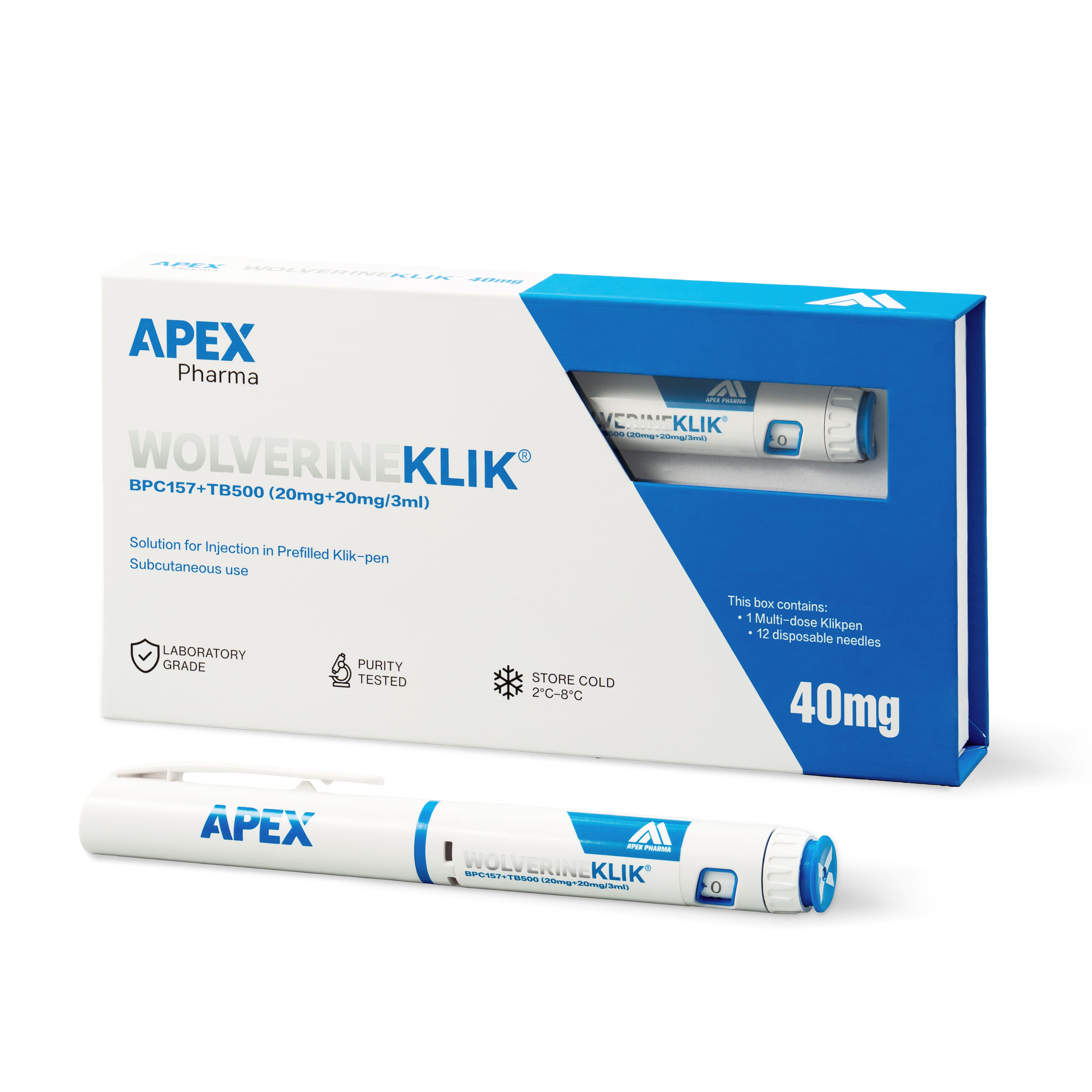
- A name that pins down one material. The full product name, and the label name where one is given. CLOVA's Wolverine pen, for instance, is labelled WOLVERINEKLIK, so a listing can give both.
- Amounts with units. The amount of each component and the total, in the same units.
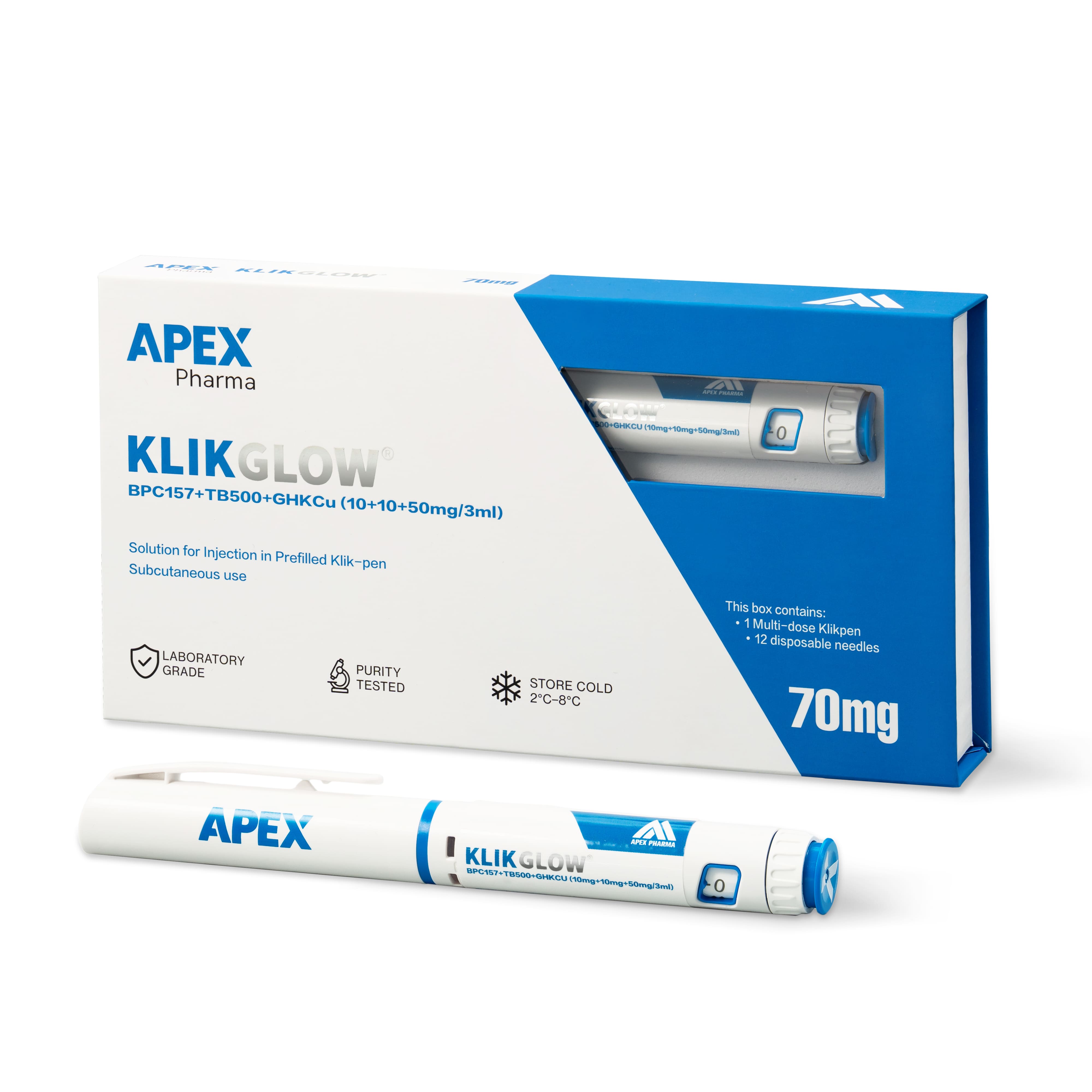
- Sums that add up. For a blend, the components should add up to the stated total. Wolverine is 20mg plus 20mg, giving 40mg; GLOW is 10mg, 10mg and 50mg, giving 70mg.
- A stated pack format. For example, one 3ml pen, rather than just "pack".
- A report, or a clear statement about one. A link, or a plain note on whether a report exists, with a batch number you can read.
- A test method beside any purity figure. A percentage with no method behind it is a number with nothing attached.
- Findable contact and returns information. You should not need to hunt for how to reach the seller or what happens if something is wrong.
- Storage and delivery details. How the item is shipped and stored.
- Calm wording. Countdown timers, "last chance" language and pressure to order today are not evidence of suitable material.
Gap, flag or stop?
Once you have the scan, sort each problem into one of three bins.
Gap. Information is missing, and one question could close it. No report linked is the classic example. Reports are published on the CoA page and on product pages where available, so absence on a page is something to ask about, not proof of a problem.
Flag. Two pieces of information conflict. The listing says one amount and the report says another, the batch on the report does not match the batch shown, or two pages describe the same item differently. The comparison tool is a handy way to catch that last one. Pause and ask in writing.
Stop. The supplier cannot or will not clarify a mismatch, or the listing makes claims about effects in people or animals. Material of this kind is sold for laboratory research only, and wording that goes beyond that is a reason to defer the purchase. If you want a refresher on what that phrase covers, there is a short explanation of what "research use only" means.
Asking the one question that closes the gap
Keep the follow-up narrow. A message that names the item and the field is easier to answer, and easier to file, than a general worry. Something like: "The listing for this item gives 40mg in total. Can you confirm the amount of each component, and which batch the linked report covers?"
One question per gap, sent in writing, keeps the answer on record. If the reply is vague, say what you still need rather than sending a second general enquiry.
Keep a short log
For each listing you scan, record the date, the page address, what was missing or inconsistent, the question you sent and the answer you got. Add a screenshot. If the listing changes later, you will know whether it changed because of your question or independently, and a colleague can pick up the thread without starting again.
Frequently asked questions
Is a missing Certificate of Analysis a red flag by itself?
On its own it is a gap. Reports are published only where one is available, so the right response is to ask whether one exists for the batch you would receive. It becomes a flag if a supplier quotes a purity figure with no report and no method to support it.
Should I ignore listings that use urgent sales language?
You do not have to ignore them, but you should not let a timer set your schedule. Run the same scan, ask the same questions and take the time you need. Pressure to decide quickly tells you about the sales page, not about the material.
How long should I wait for an answer before moving on?
Set your own cut-off in the project plan, based on when you actually need the material. If the reply has not arrived by then, or if it does not address the gap, defer the order and note why. A supplier that cannot answer a specific question before you have paid is unlikely to do better afterwards.