What a Catalogue Card Leaves Out of Laboratory Peptides Listings
A catalogue card is good for shortlisting and poor for deciding. Here is what each layer of an online listing can tell you, and how to record it as you go.
Searching for laboratory peptides online in the UK usually starts with a grid of cards, each showing a name, a headline amount, a price and a button. That is enough to build a shortlist, but it is not enough to build an order. The card is the shop window, and the decisions that matter happen a layer or two further in.
Below are the three layers of information you will meet, what each can and cannot tell you, and a simple way to save a dated record as you go so that a colleague can see exactly what your choice was based on.
Layer one: what the catalogue card tells you
A card is built to be scanned. It normally gives a product name, one headline amount, a price and perhaps a line of description. Use it for sorting, not for deciding.
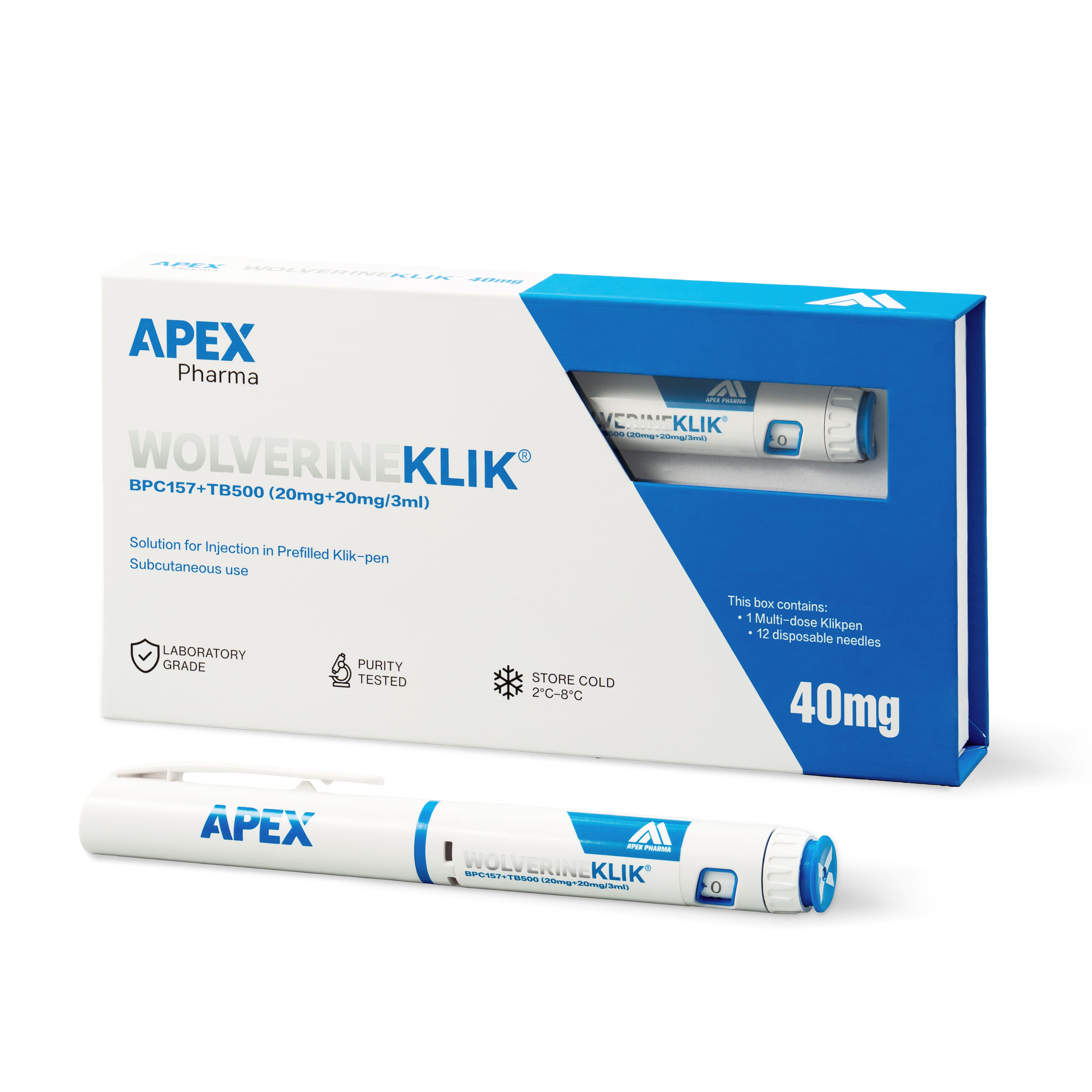
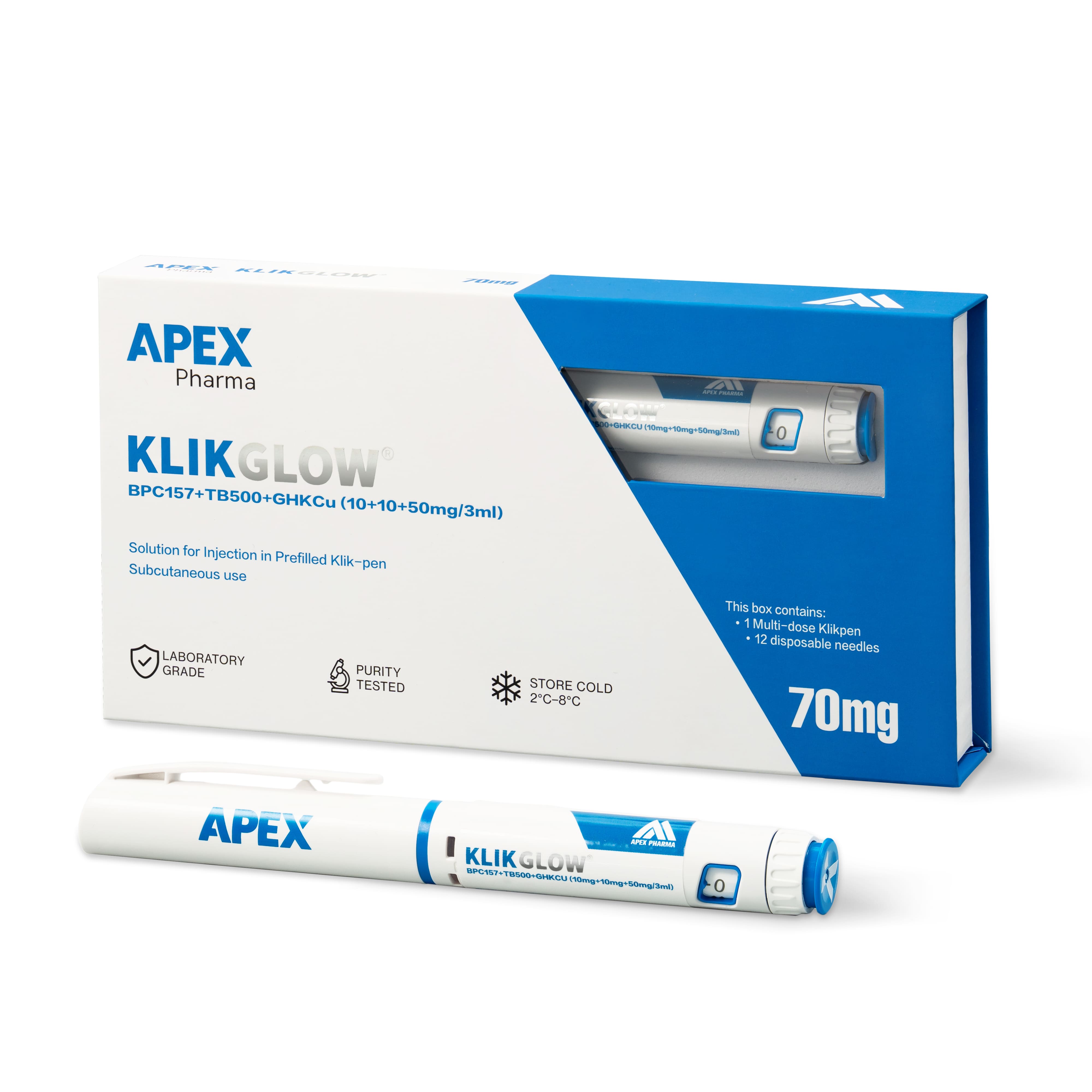
The headline amount is the usual trap, and blend pens show why. Wolverine is 40mg in total and GLOW is 70mg in total, but those totals are made of different things. Wolverine is BPC-157 20mg plus TB-500 20mg in one 3ml pen. GLOW is BPC-157 10mg, TB-500 10mg and GHK-Cu 50mg in one 3ml pen. A total on its own cannot tell you how the amount is divided, and a comparison built on totals quietly mixes unlike things. The comparison tool lays items side by side if you want to see the split before you open each page.
Layer two: what the product page adds
The product page is where the card's shorthand gets spelled out. Read it for:
- the full product name, and the label name if one is given
- the amount of each component, not just the total
- the pack format, such as a single 3ml pen
- storage and delivery statements
- whether a report is linked, and which batch it refers to
As you read, separate declared facts from interpretation. "BPC-157 20mg" is a declaration a seller can back up with a document. Words like "premium" or "high-grade" are opinions. Write down the facts and set the adjectives aside.
Layer three: documentation and the label
Certificates of Analysis are published on the CoA page and on product pages where a report is available. Not every product or batch has one, so a missing report on a page is a question to ask, not a conclusion to draw.
Where a report does exist, check its batch number against the label on the pen. The three layers do different jobs: the page describes the product, the report describes a batch, and the label ties the pen in your hand to one of them. Only when all three agree can you say you have checked the item rather than the advert.
Save a dated record as you browse
Pages get edited, prices move and descriptions are tidied. A dated copy shows what you relied on when you shortlisted an item, which matters if the listing later reads differently. For each item worth keeping, note:
- The product name exactly as shown, plus any label name or item code.
- The page address, and the date and time you viewed it.
- The amount of each component and the total.
- The price and delivery charge displayed at that moment.
- Whether a report was linked, and the batch reference on it.
- Any open questions, one sentence each.
A screenshot of the page alongside these notes takes a minute and saves an argument later.
Leave the checkout for last
Checkout confirms an order; it is not where you review one. By the time you get there you should already know what each line means and what is still unanswered. Check the delivery information first: orders paid before 1pm UK time on a weekday are dispatched the same working day, and products ship cold, by tracked delivery, in discreet unbranded packaging. Decide who will be on hand to receive the parcel, because that is an operational detail no catalogue card will raise for you.
Frequently asked questions
Is the price on the card the final price?
Treat it as the price of the item only. Look at the delivery information before comparing totals between sellers, and note any difference between the card and the product page, since the product page is the fuller record.
Why save a page that is still online?
Because listings change, and your approver may later ask what the page said on the day you chose it. A dated screenshot and a few lines of notes settle that in seconds. Without them, you are relying on memory and on whatever the page happens to say now.
Can I rely on the headline amount?
Rely on it as a total and nothing more. For a blend, read the product page to see how the amount is divided between components, and make sure you are comparing like with like when you set two listings next to each other. Everything is supplied for research use only, so your record should describe the material as listed and nothing more.