How to Write the Quantity for a KLIK500 TB-500 10mg Order
A figure like TB-500 x 20 can mean three different things. Here is how to write a KLIK500 request that procurement, approvers and CLOVA all read the same way.
A purchase request for KLIK500 TB-500 10mg usually goes wrong on one small line: the quantity. Someone types "TB-500, 20" and moves on. The researcher meant twenty milligrams, the procurement officer reads twenty pens, and the approver sees a number with no subject at all.
The fix is simple. Every figure in the request needs a unit and a subject beside it, and the number of items you are buying should sit in a different place from the amount each item is described as containing. This article shows how to set out that line for the KLIK500 listing, and how to avoid the mix-ups that come from CLOVA offering TB-500 in more than one arrangement.
Why "TB-500, 20" is not a quantity
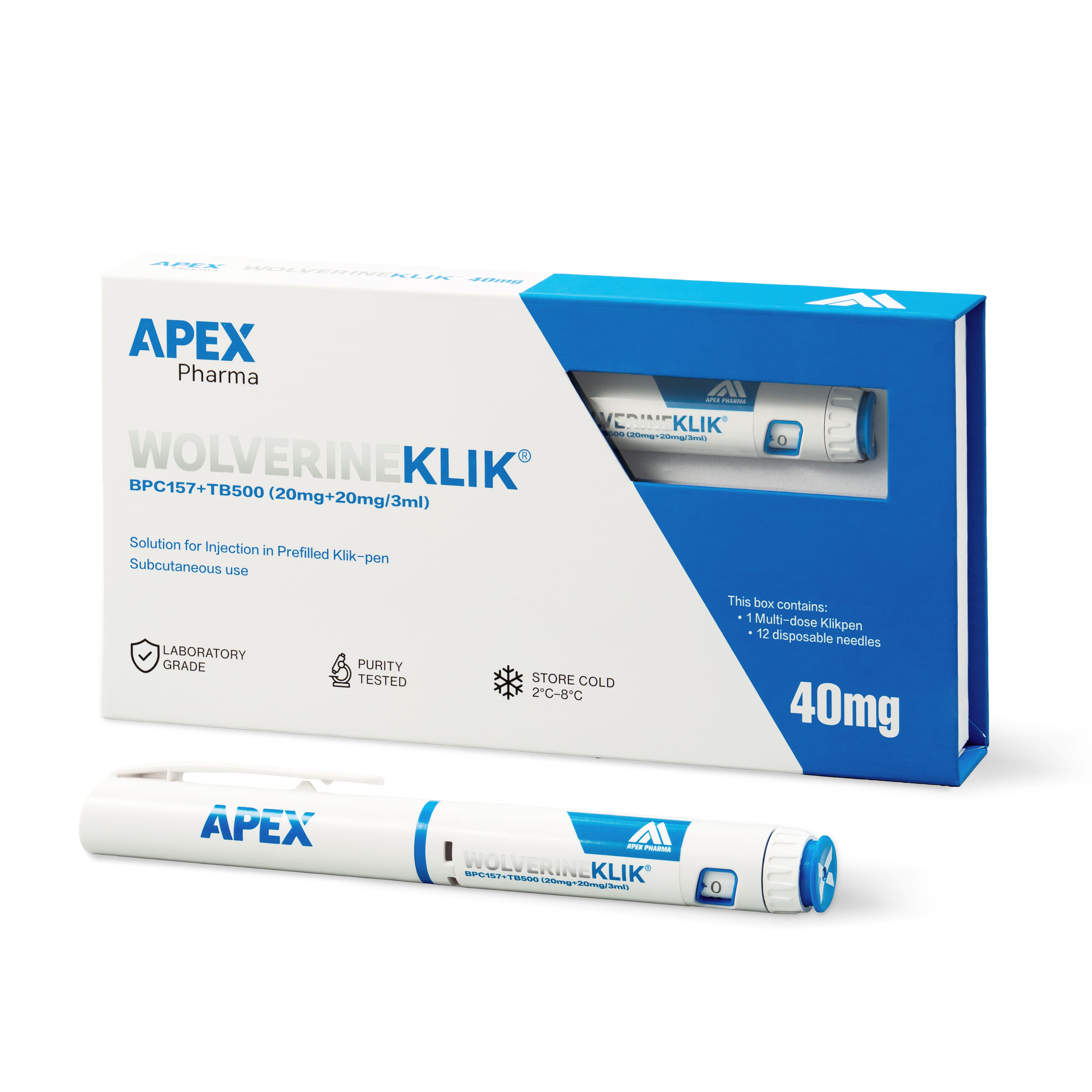
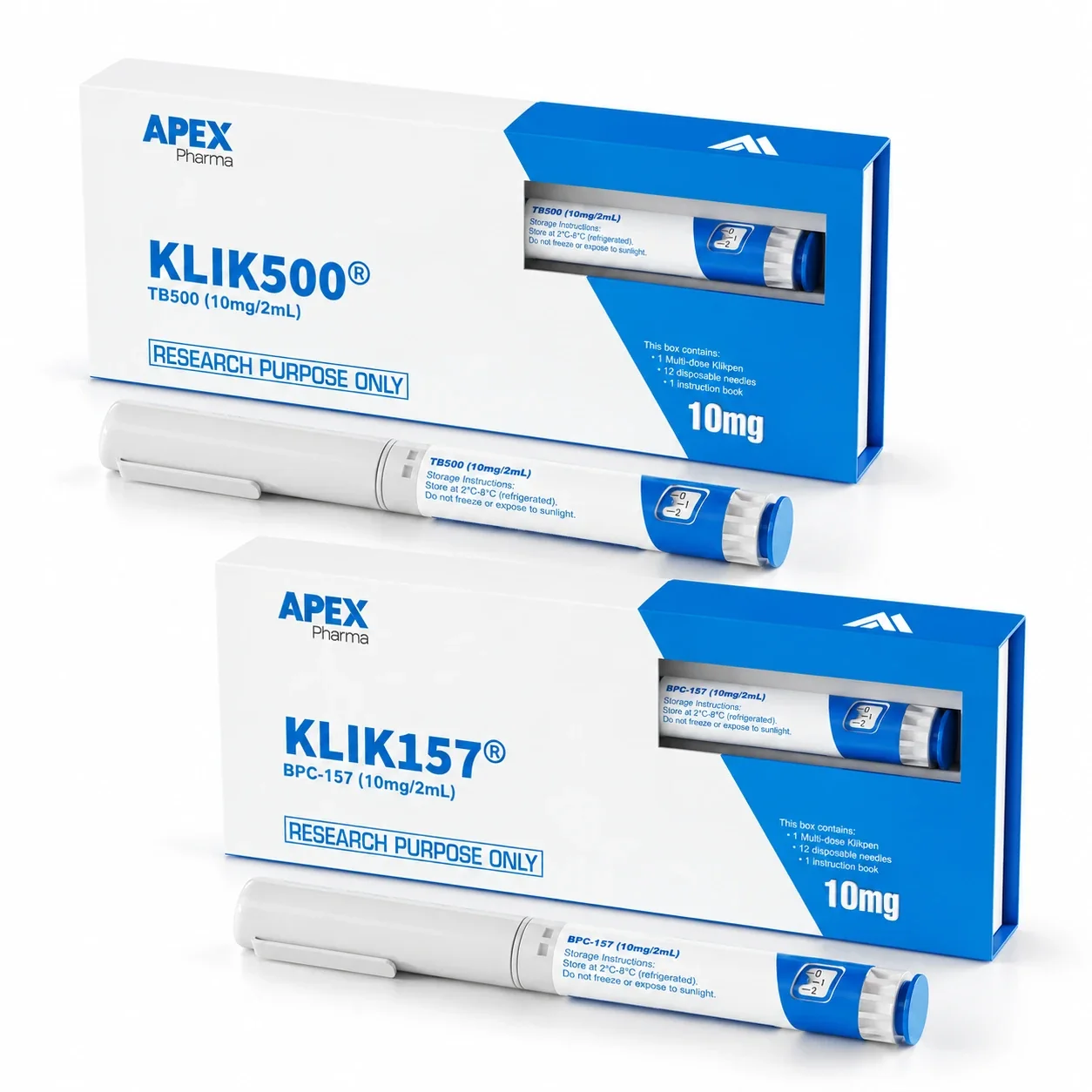
TB-500 appears in three places in the CLOVA catalogue. The KLIK500 TB-500 10mg listing is a single pen, labelled 10mg/2mL. The STRENGTH bundle includes a KLIK500 pen alongside a separate KLIK157 BPC-157 pen. And the Wolverine blend combines TB-500 20mg with BPC-157 20mg in one 3ml pen.
So a request that just says "TB-500, 20" could reasonably point to twenty KLIK500 pens, to 20mg of TB-500 as a material amount, or to the Wolverine pen, whose label happens to show TB-500 20mg. Each reading leads to a different order and a different total. Nobody is being careless. The shorthand simply carries too little information.
Keep the item count and the stated amount apart
The cleanest approach is to give each figure its own field and its own label. For a KLIK500 order, that looks like this:
- Product: KLIK500, TB-500 10mg (single pen)
- Number of pens requested: written as a count, such as "3 pens"
- Stated content per pen: 10mg/2mL, as shown on the listing and label
- Source of the stated content: the catalogue description, not an independent measurement
If your organisation's form has only one quantity box, use it for the count of items and put the per-pen description in the item name. Never let one number do both jobs. A colleague reading the form a month later should not have to guess which you meant.
It also helps to record that the 10mg figure is what the listing states. That is a supplier description. If your project needs evidence about content, say so on a separate line and plan to check the Certificate of Analysis, rather than treating the label as proof.
Ask about the arrangement, not the photo
Product photos are useful for recognising an item, but they are a poor guide to what an order will contain. Don't count pens in an image, and don't borrow the layout of the STRENGTH bundle when you are ordering KLIK500 on its own. If you are unsure whether the project needs a single pen or the two-pen bundle, the comparison tool puts the descriptions side by side so you can see what each listing covers.
Where something is genuinely unclear, ask a narrow question. "Does each KLIK500 unit ordered consist of one 10mg/2mL pen?" is far easier to answer than "Can you confirm the quantity?"
A short checklist before you submit
Run through these before the request leaves your desk:
- The product name includes KLIK500 and TB-500 10mg, not just "TB".
- The count of pens has its unit written out.
- The per-pen amount matches the current listing wording.
- No figures have crept in from the Wolverine pen or the STRENGTH bundle.
- Any need for content evidence is stated as its own line, with the batch number to be matched against a report on arrival.
- If the requirement changed, the old figure is marked as revised rather than overwritten.
That last point matters more than it looks. If a researcher first asked for one arrangement and later switched, the approver should see both versions and the reason. Silently replacing the number makes the file look tidier but harder to trust.
Making the final note readable
A good quantity note tells the approver three things in plain words: what was requested, what the listing describes, and which reading the team accepted. For example: "Requesting 3 KLIK500 pens, each listed as TB-500 10mg/2mL. This is the single-pen listing, not the STRENGTH bundle." Two sentences, no ambiguity.
Keep the note to purchasing. Everything CLOVA sells is supplied for laboratory work and labelled for research use only, so the request needs to describe what is being bought, clearly and once, and leave project detail to the project file.
Frequently asked questions
Is KLIK500 the same as the TB-500 pen in the STRENGTH bundle?
The STRENGTH bundle includes a KLIK500 pen (TB-500 10mg/2mL) together with a separate KLIK157 BPC-157 pen. If you only need TB-500, name the single KLIK500 listing. Write the full listing name either way so the two are never confused.
Should the quantity be written in milligrams or pens?
For an order, the number you request is a count of pens. The milligram figure describes each pen and belongs in the item description. Keeping them in separate fields stops one number being read two ways.
Does the label amount prove what is inside the pen?
No. The label and listing state what the product is described as containing. Where a Certificate of Analysis is available, match the batch number on your pen's label to the report before relying on it.