Asking for a KLIK500 COA? Frame the Question First
A request for "the COA" often gets an answer that leaves the real question open. How to frame a TB-500 analysis request so the reply is useful first time.
"Can you send the KLIK500 COA?" is a perfectly reasonable first message. The trouble is that it rarely says what you actually need to know. You might get back a genuine report that answers a question you did not ask, while the one you care about stays open.
A little framing before you hit send makes a big difference. Decide which characteristic you need information on, and what decision the answer will feed into. The rest of the request follows from those two points.
"Can I see the COA?" is rarely the real question
Behind a general request there is usually a more specific one. It might be any of these:
- Is there a published report for KLIK500 at all?
- Does a report exist for the batch printed on our label?
- Which method produced a particular result?
- Does a figure quoted in a summary come from the original report?
Each has a different answer, and a single attachment may only address one of them. Naming the question you mean gives the person replying a fair chance of answering it.
Pick the characteristic you need information on
Analysis results are not interchangeable. Whether a sample is described as TB-500, what amount it contains and what a purity method reported are separate questions. A purity figure does not stand in for identity, and an identity result says nothing about amount.
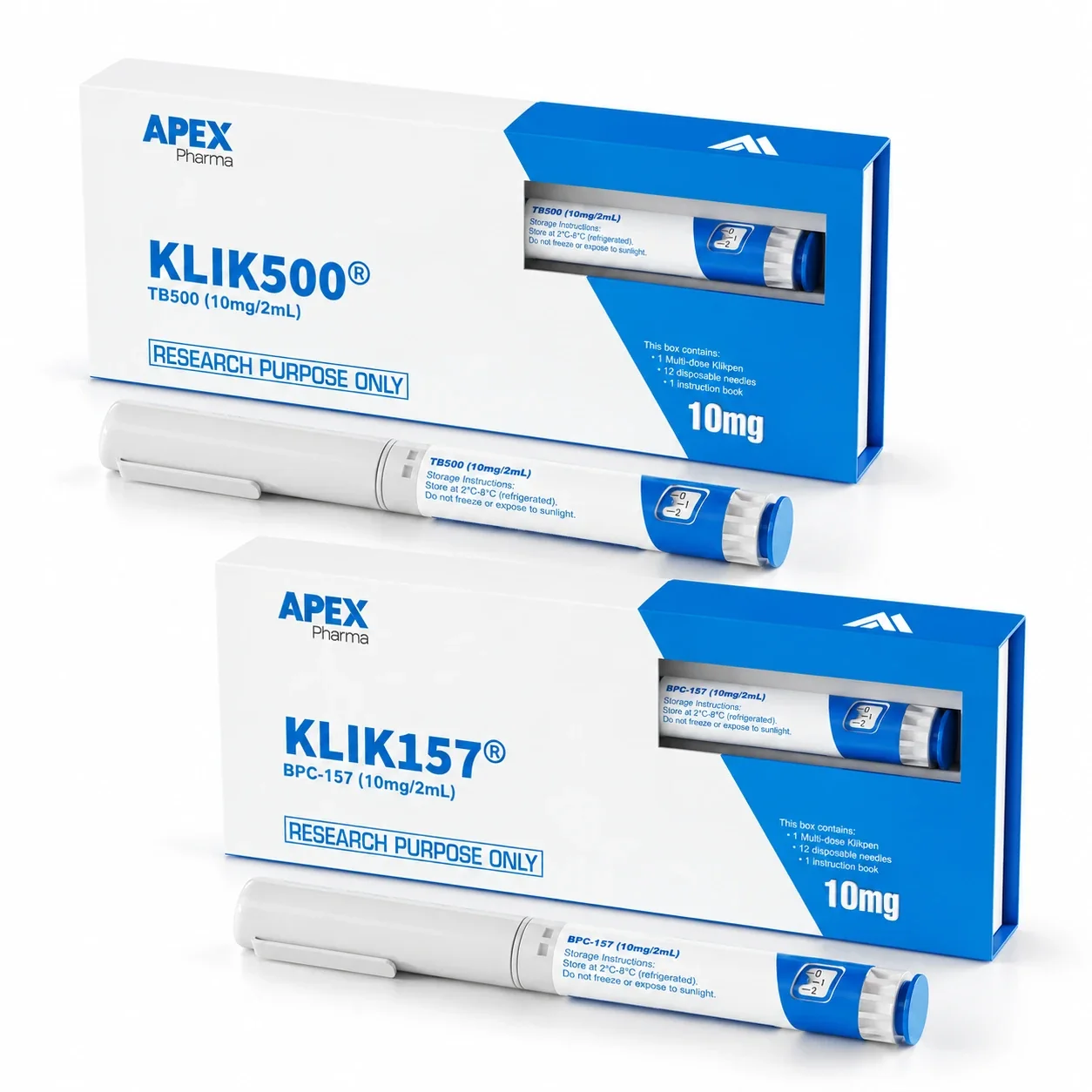
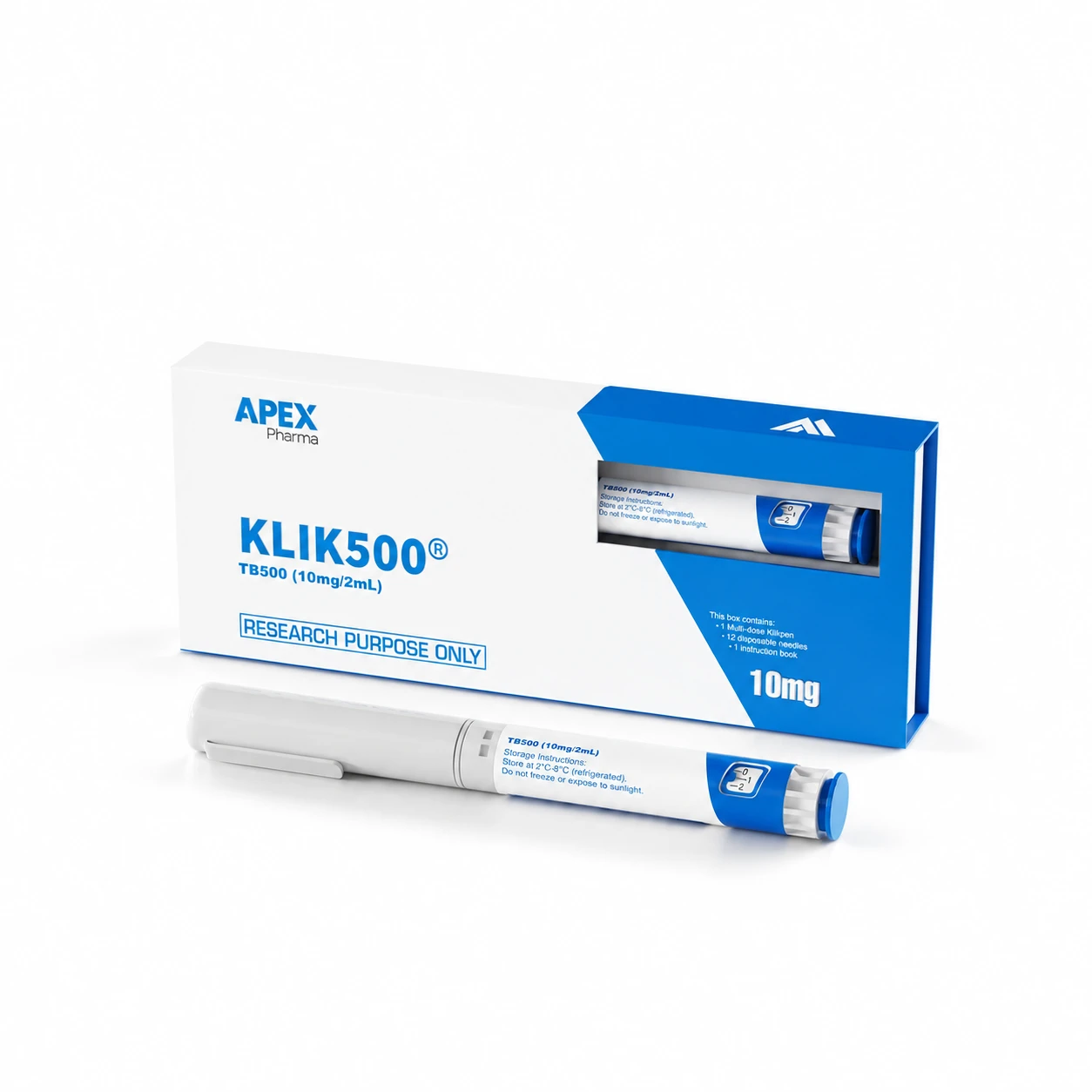
Your project brief should tell you which of these matter for your work. KLIK500 is listed as TB-500 10mg/2mL, so if the stated amount is the point at issue, say so. If identity is what your reviewer needs, ask about that. Asking for "everything" tends to produce a reply that is hard to assess against any one requirement.
Say which decision the answer will feed
The same question can matter for different reasons. "We need this to approve an order" and "We need this to close the receiving record for batch X" call for different answers. The first may be satisfied by a published report for the product. The second needs a report for that specific batch.
Stating the stage helps CLOVA see what kind of answer is useful. It also helps you judge the reply, because you know in advance what would count as enough.
A request outline you can adapt
Before writing, check the COA page. Certificates are published there and on product pages where a report is available, so part of your question may already be answered. Then build the message from these parts.
- Product. KLIK500, TB-500 10mg/2mL. Say whether it is the standalone KLIK500 listing or the TB-500 pen in the STRENGTH bundle.
- Batch. The batch number exactly as printed, if you already hold stock.
- What you have seen. For example, the report currently published for KLIK500 and the batch reference on it.
- Your question. The single characteristic or relationship you need information on.
- The decision. Approving a purchase, closing a receiving record, or something else.
- Format. The original report rather than a summary, if a document is what you need.
Put together, it might read: "We are considering the standalone KLIK500 listing. Our internal summary quotes a purity result from the published report but not the method behind it. Could you confirm which method produced that result? We need it before the order can be approved."
That is four sentences, and each one does a job.
Reading the answer against the question
When the reply comes back, put it side by side with your request. Does it address the characteristic you named? Does it cover your batch, if that was the question? If it answers something nearby instead, reply with a narrower version of the same question rather than starting again.
TB-500 from CLOVA is supplied for research use only, and your own reviewer, not the supplier, decides whether the information is enough for your project.
Frequently asked questions
Should we ask before or after ordering?
Either, depending on your procedures. Before ordering, you can ask which report applies to the listing. After delivery, you can ask about the specific batch on your label. State which situation you are in.
What if the reply doesn't address our question?
Thank them for what was sent, then restate the specific point that is still open in one sentence. Narrow follow-ups get clearer answers than repeated general requests.
Can we ask for a report for a specific batch?
Yes. Quote the batch number exactly as printed and ask whether a report exists for it. If one does not, record that as an open item rather than substituting a report for another batch.