KLIK157 BPC-157 in Your Records, Keeping the Description Intact
Shorthand like BPC 10 can mean several things once it leaves the product page. Keep one master description of the KLIK157 line and every later record stays accurate.
A line about KLIK157 BPC-157 rarely stays in one piece. It starts on a product page, gets paraphrased in an email, shrinks to a few characters in a spreadsheet and arrives on a purchase order looking like a different item. Each step is reasonable on its own. The trouble is that the meaning can quietly slip along the way.
This article shows how that happens and how to stop it. The method is simple: write one master description when you first look at the product, then copy from it instead of from memory. It works for any listing, but the BPC-157 10mg one makes a useful example.
Why "BPC-157 10mg" is not enough to identify a line
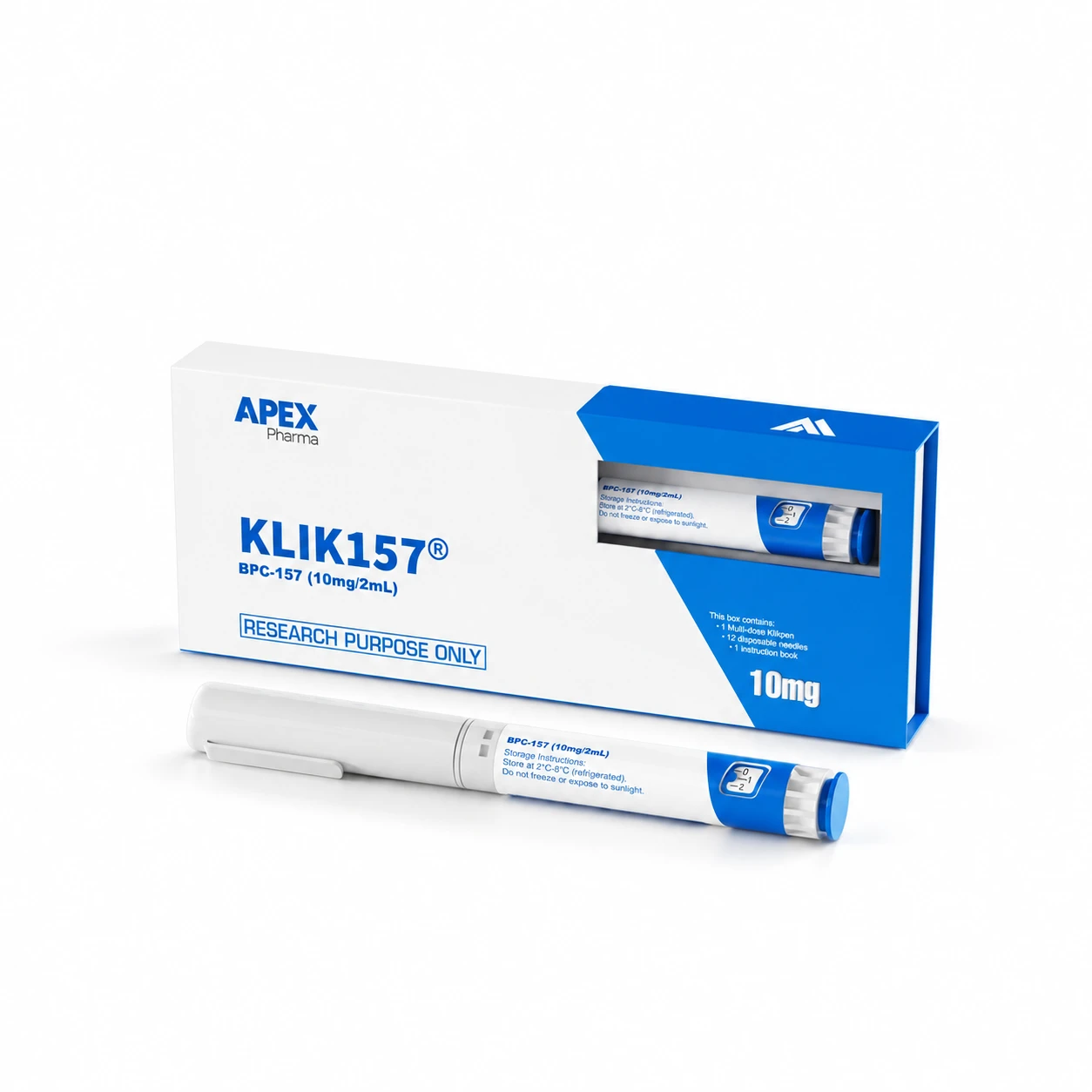
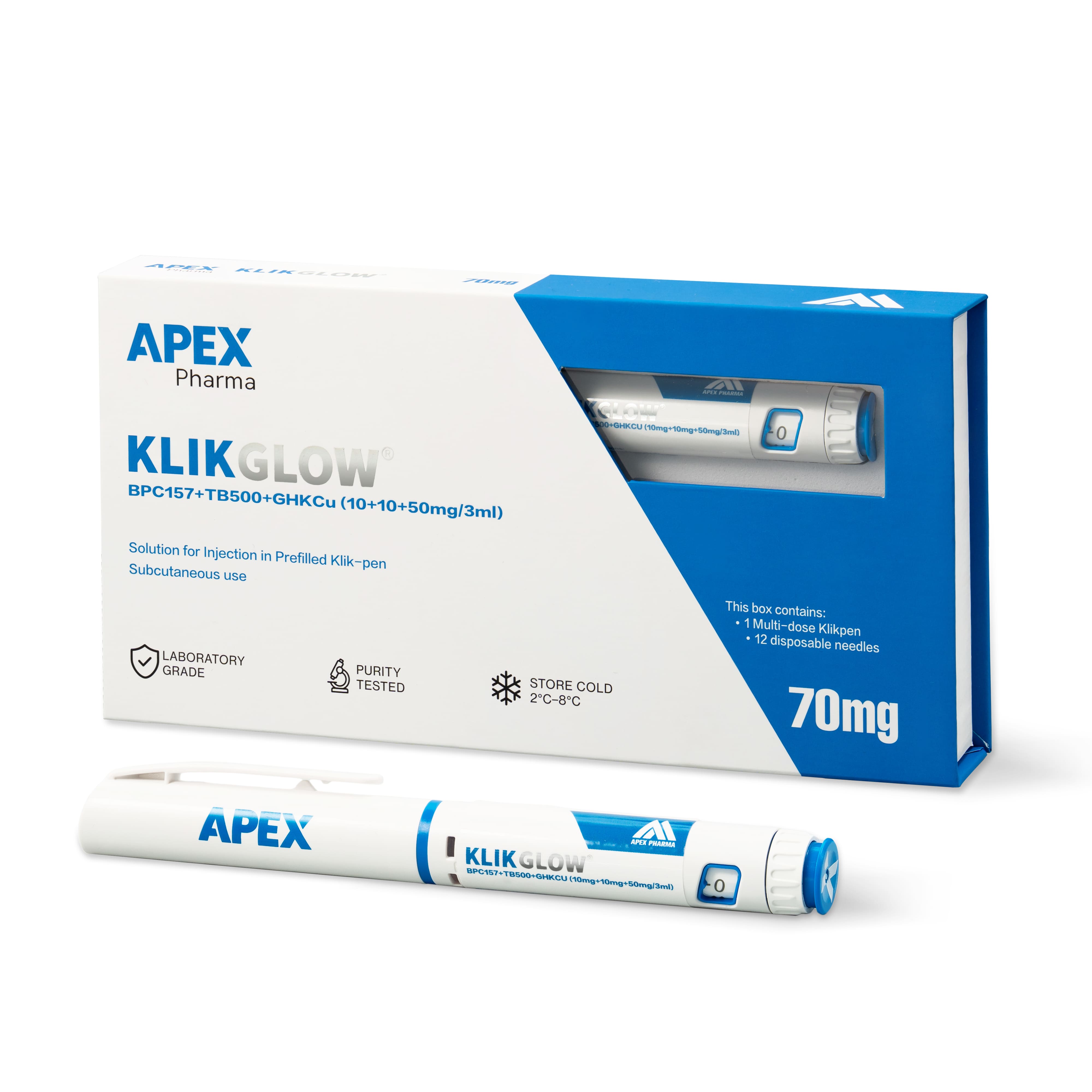
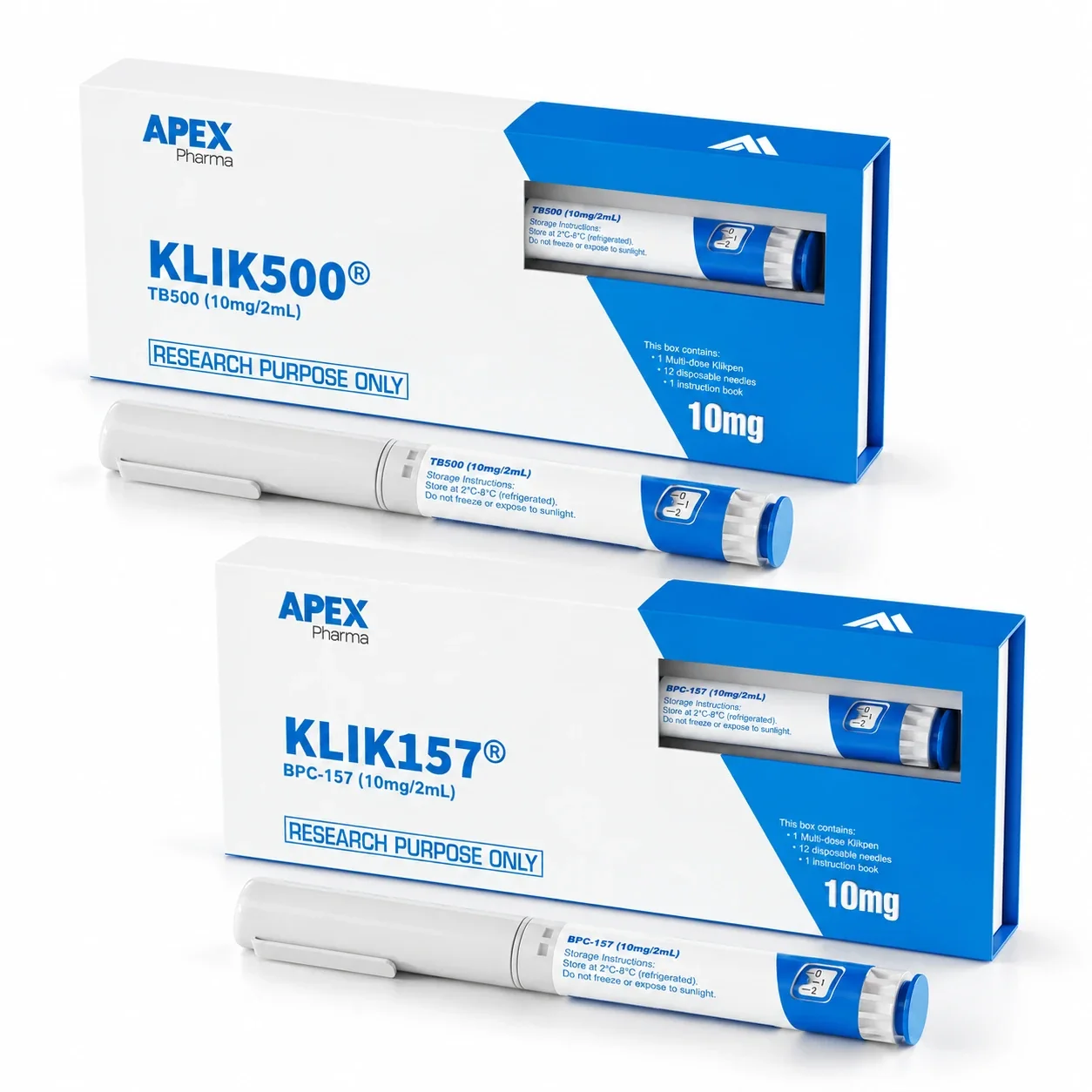
The name of a component and an amount of it can appear in more than one CLOVA listing. A 10mg quantity of BPC-157 shows up in the standalone BPC-157 10mg listing, as a component of the GLOW blend alongside TB-500 and GHK-Cu, and as one of the two separate pens in the STRENGTH bundle. The component and amount match, yet these are different products with different contents.
So if a record says only "BPC-157 10mg", a colleague cannot tell which of them you mean. The label name KLIK157 and the product page address are what pin the line down. Without them, the record describes a peptide, not a purchase.
The same line, four ways
Watch what happens to one item as it travels:
- Listing: the product name and pack contents exactly as shown on the page.
- Email: "the BPC pen", which loses the amount and the format.
- Spreadsheet: "BPC 10", which could be 10mg or ten pens.
- Purchase order: "BPC-157 x10", which now reads as a quantity of ten.
Nobody made a dishonest change. Each person shortened what they saw. But by the final version, the approver could reasonably think ten items were being ordered rather than one product with a 10mg label.
Write one master line and copy from it
When you first open the listing, fill in a short master record and keep it with the project file:
- Product name exactly as listed.
- Pen label name, here KLIK157.
- Page address and date checked.
- Pack contents as the page states them, copied word for word.
- Whether a Certificate of Analysis is linked, and the batch number it refers to.
- Who confirmed the line and when.
Every later document then points back to this record. If a colleague asks what "BPC 10" means, the answer is one click away.
Keep amounts attached to what they describe
Numbers do the most damage when they lose their labels. A milligram figure describes the content of a pack. A count describes how many packs you want. Put the unit next to each figure and, where a field is ambiguous, say what it holds. A form with a single "quantity" box is a good place to add a clarifying note, such as "number of pens" or "mg per pen".
The same goes for the word "bundle". The STRENGTH bundle is two separate pens, which is not the same as a single pen containing two peptides. If your record says "bundle", check that it does not belong to a different listing.
When descriptions disagree, find out who changed what
If two versions of the line differ, work out where the difference started before you contact anyone. It might be your own transcription, a deliberate change of requirement, or a revision at the source. Those are different situations.
Most of the time it is an internal shortening, and you can fix it yourself. Restore the full wording from the master record and add a dated note: "Corrected on [date] to match the product page; no change to the order." There is no need to suggest a supplier error where none exists. If the page itself looks different from your master record, compare the dates and ask a precise question, naming the listing and the detail.
A pre-submission check
- The line includes the product name, not just the peptide name.
- KLIK157 or the relevant label name is present where the form allows.
- Units sit beside every number.
- The record shows whether the item is a single product, a blend component or part of a bundle.
- A page address and date checked are attached.
- The batch number on any report is recorded, and it matches the label once the product arrives.
- Everything is described as research material, since CLOVA products are supplied for laboratory research use only.
Frequently asked questions
Is KLIK157 the same as the BPC-157 10mg listing?
KLIK157 is the label name that goes with the BPC-157 10mg product. Read it alongside the product page rather than on its own, and when the item arrives, check that the label matches the order line.
Can I shorten the name in an internal spreadsheet?
Yes, as long as the short form links back to the master record. A short code is fine when a full reference sits beside it, but a code that exists only in someone's head will cause problems later.
What if my record and the product page no longer match?
Check the date you recorded against the date you looked again. If the page has changed, note the new wording with a date and ask the researcher whether the change matters. If your own summary was wrong, correct it and say so.