Quoting a GLOW Purity Figure in Your Records Without Overstating It
A purity percentage is the easiest number in a report to copy and the easiest to misuse. Here is how to write it into your lab records with the right context.

A purity percentage is the easiest number on a report to quote, and the easiest to misuse. Copy it into a procurement note as "GLOW purity: [figure]" and it quickly starts to sound like a verdict on the entire pen. If you are recording GLOW peptide purity for a lab file, the wording around the number matters as much as the number itself.
This article is about how to write a figure down, not what it ought to be. Any figure you quote should come from a report you have actually been given, matched to your batch. CLOVA publishes Certificates of Analysis on the COA page and on product pages where a report is available, and where none is listed there is nothing to quote.
What does a purity figure actually describe?
In plain terms, purity describes how much of the material that was analysed is the target substance, according to the method the report names. It is a proportion. It is not a statement about how much peptide is in the pen, and it says nothing about anything the method was not designed to look for.
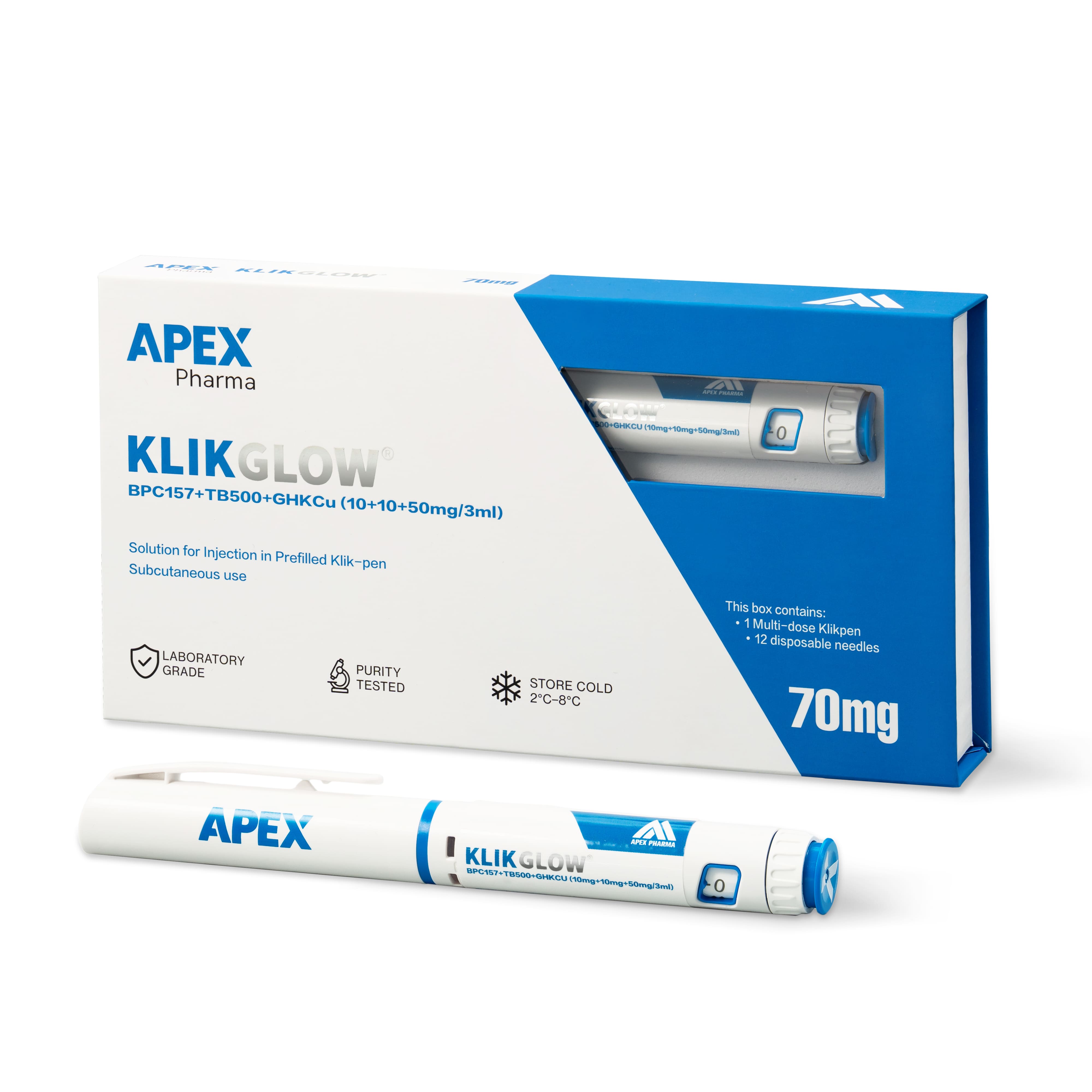
The amount in the pen is a separate matter and comes from the listing and the label: for GLOW, that is BPC-157 10mg, TB-500 10mg and GHK-Cu 50mg in a 3ml pen. Keep "how pure" and "how much" in separate fields of your record. Mixing them is the most common way a good report ends up supporting a conclusion it never reached.
Why does a three-peptide pen need extra care?
GLOW contains three named components, so a single percentage on a report raises a question straight away: which one is it about? It might refer to one component, to each component in turn, or to the mixture as a whole. A report should say which. If it does not, treat that as an open question, not as an answer.
Do not assume one figure covers all three, and do not carry a figure across from a single-peptide report to the blend. A reading for BPC-157 10mg, for example, belongs to that listing and that batch.
How do you write the figure into your record?
Give the number a sentence of context every time. A template with placeholders keeps you honest:
Purity: [figure as printed], reported for [subject as named on the report], batch [number printed on the report], method [as stated], report dated [date], source [product page / sent by supplier].
Before you save it, check these points:
- The batch number on the report matches the batch number on the label in front of you.
- The subject named on the report is the item you are recording.
- The report states what the figure refers to, not just a bare number.
- The method and date are copied exactly, not paraphrased.
- Anything the report does not state is written as "not stated", not left blank and not filled in from memory.
What wording should you avoid?
Short phrases travel badly. "GLOW is [figure] pure" turns a result for one batch into a property of a product. "Tested" with no detail hides whether the test covered purity, content or something else. "Certified" and "passed" suggest a threshold that nobody in your organisation may have set.
Write what the report says, for the batch it covers. If a colleague later asks "pure for what?", the answer should already be in the record.
What if the report doesn't say enough?
Leave the field as it is and ask. A good question is narrow: "Does the figure on the report for batch [number] refer to each component or to the blend overall?" That is quicker to answer than a general request for more documentation, and it does not imply anything is wrong.
Unanswered is not the same as failed. If you cannot interpret a figure, say so in your note and stop there; do not describe the batch as defective. When you do get an answer, record it with the date, in the same entry.
CLOVA supplies GLOW for laboratory research use only, so the figure you record should serve a documented research purpose and nothing wider. Our page on what that wording means has more detail.
Frequently asked questions
Should I set a minimum purity before I shortlist a supplier?
That is a technical decision for whoever is responsible for the research, not something a buyer should invent to fill a form field. Once the requirement exists, write it into your brief before you read any reports, so the figure is judged against it and not the other way round.
Does a purity figure tell me how much peptide is in the pen?
No. Purity describes proportion within what was analysed. The amount per pen comes from the listing and the label, and any measured content would need its own entry in a report.
Can I reuse a purity figure from an earlier batch?
Not safely. A figure belongs to the batch named on the report. When a new batch arrives, find the report that matches its label, and treat the old figure as history.