Preparing a GLOW Peptide Legal Question for Your Compliance Team
A one-line "is it legal?" rarely gets a useful reply. Here is what to put in a short brief so your compliance lead or adviser can answer the question you actually have.
Searching "is GLOW peptide legal in the UK" turns up confident answers in both directions, and most of them are about something slightly different from what you plan to do. Whether an activity is permitted depends on the product, what you intend to do with it and who you are. A yes or no copied from a web page will not settle that for your organisation.
CLOVA cannot give that answer, and neither can this article. What we can do is help you ask the question well. A short, specific brief gets a far more useful reply from your compliance lead, legal adviser or institutional research office than "is this allowed?" ever will.
Why the product name is not enough
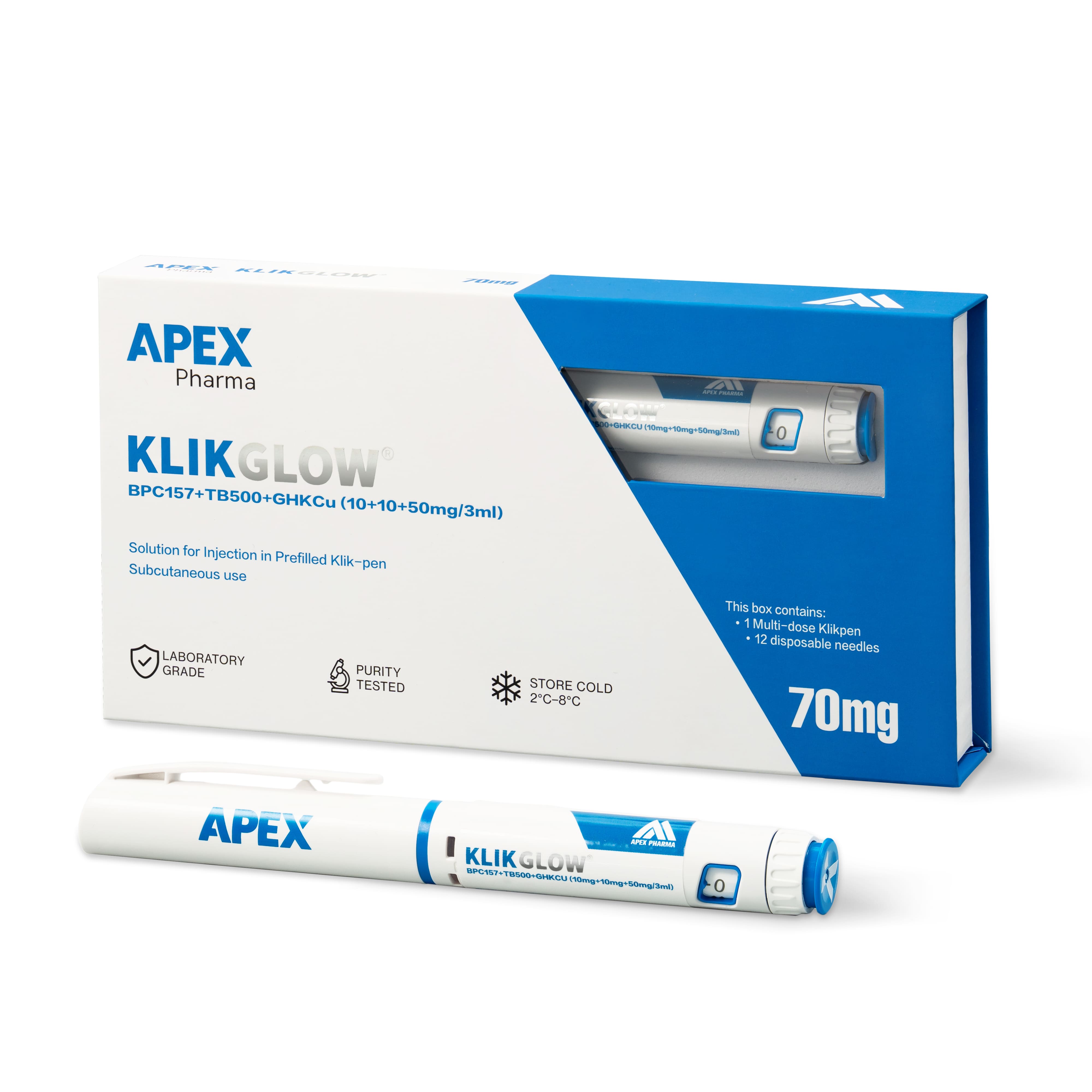
"GLOW" is a label name for one particular product. The GLOW listing describes a single 3ml pen containing BPC-157 10mg, TB-500 10mg and GHK-Cu 50mg, 70mg in total. An adviser asked about "GLOW" might think of the whole blend, one of the peptides, or something sold under a similar name elsewhere.
The activity matters just as much. Reading about a product, buying it, storing it, using it in laboratory work and passing it to another organisation are different things. A reply about one of them should not be stretched to cover the rest.
Checklist: what to put in the brief
- The product. Name, label name (KLIKGLOW), composition, pen size, and the listing URL with the date you viewed it.
- The supplier's description. Paste the wording used on the listing, rather than paraphrasing it.
- The activity. Say in plain terms what your organisation proposes to do, such as ordering and holding the item for a named laboratory project.
- Who is acting. The type of organisation, where it is based and the responsible researcher.
- Documents you hold. Order confirmation, delivery note and, where one is available for the batch, a Certificate of Analysis.
- Your own wording. Any internal description, label or text you intend to share, since the way something is described can matter as much as what it is.
- The decision riding on the answer. What you will do if the reply is one thing, and what if it is another, and by when.
- What you do not know. Say so. A gap you have flagged is far better than a detail you quietly guessed.
Keep facts, assumptions and questions apart
A brief reads more clearly when it is split into three short parts. Under "Known", list what comes straight from the listing. Under "Assumed", note what you are taking for granted, such as the intended laboratory use. Under "Asking", write the question itself.
For example: "Known: GLOW is listed as a 3ml pen with three named components. Assumed: the pen would be held and used only within the named project. Asking: does anything in our organisation's rules restrict ordering and holding this item for that project?" The adviser can see at once what is fact, what is your reading and what they are being asked to decide.
Treat the answer as specific
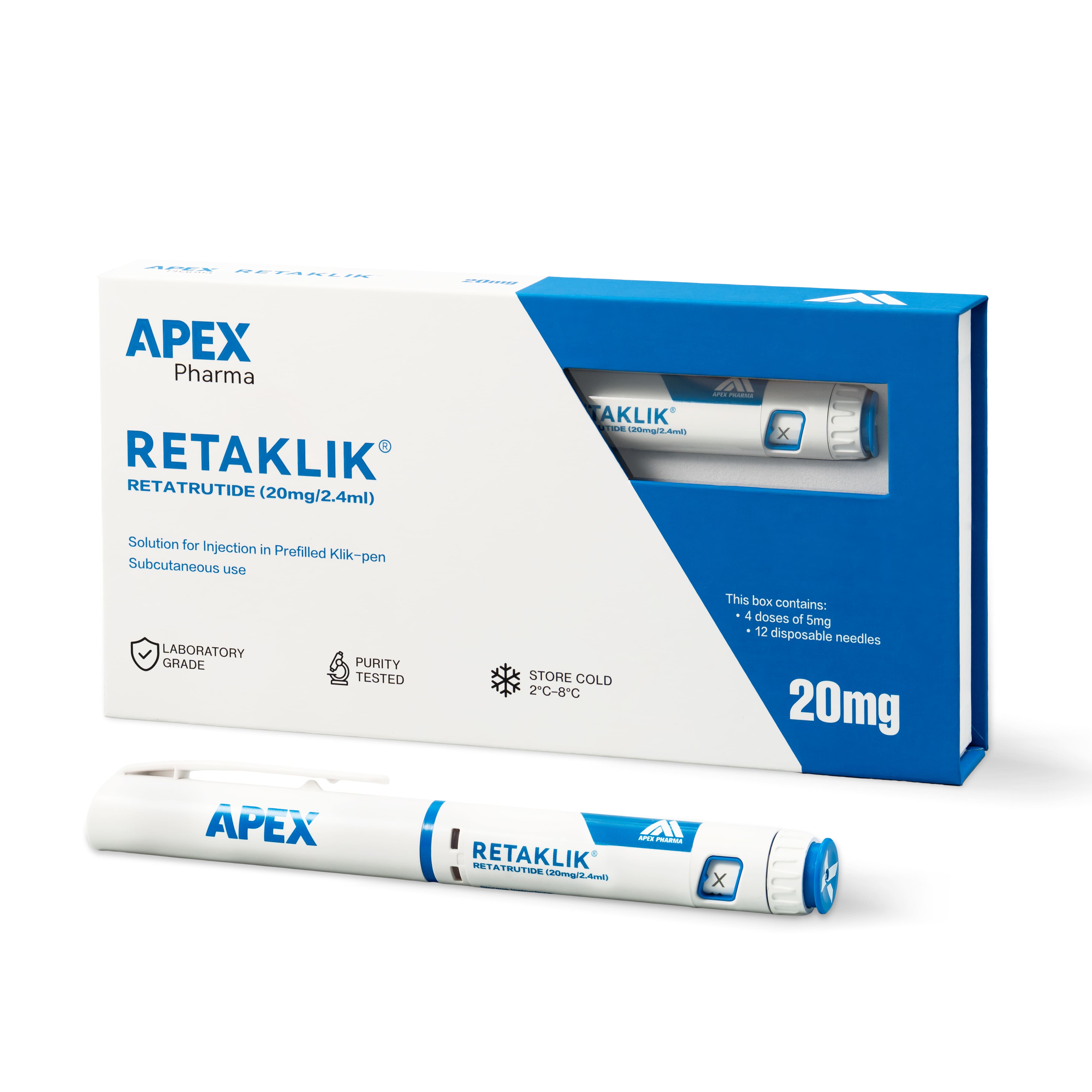
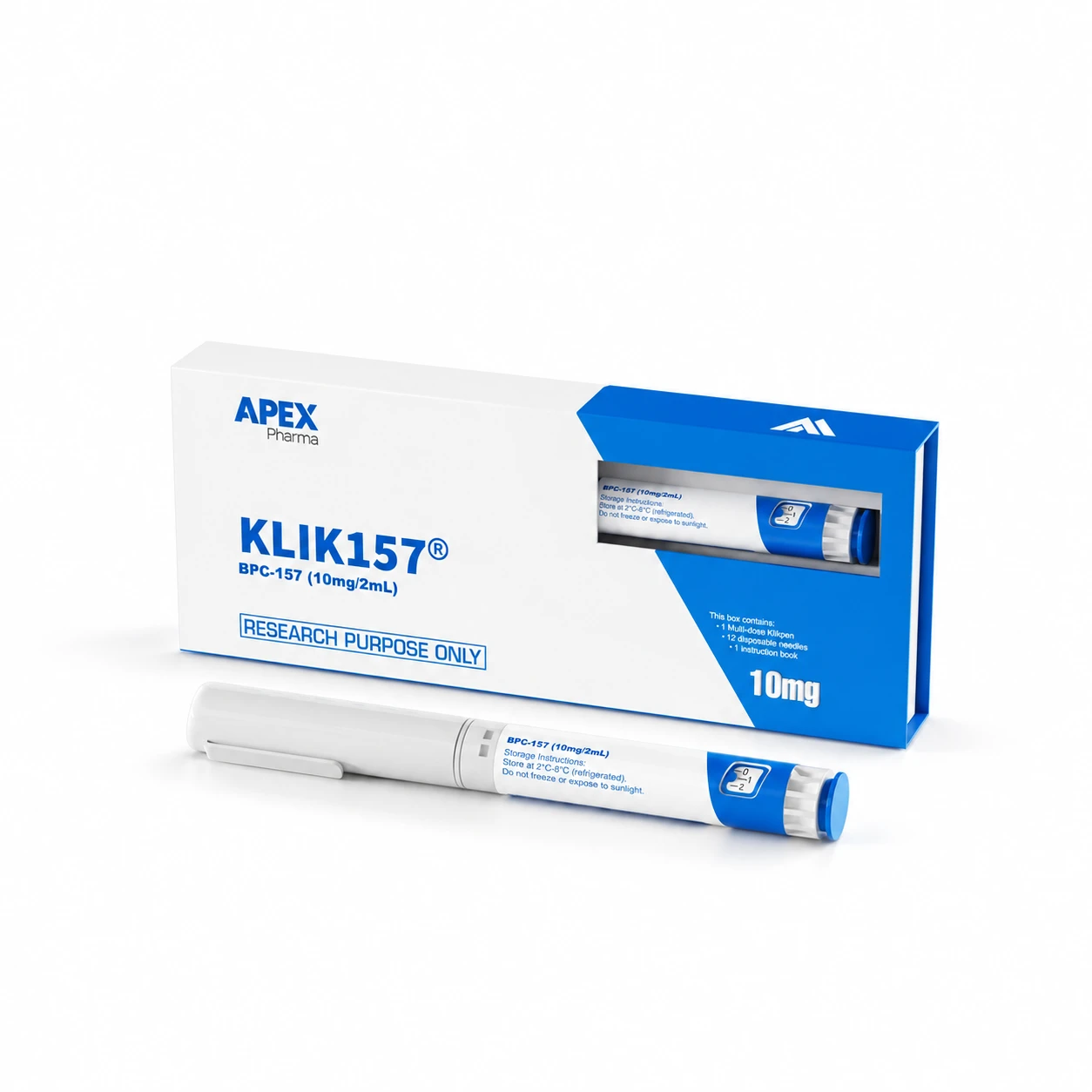
When you get a reply, file it with the order record along with the date, the name of the person who replied and the question as you asked it. An answer about one product, one activity and one set of wording does not automatically carry over when any of those change. If you later consider a different product, such as one of the single peptide pens, start a new brief rather than assuming the old reply applies.
What the research-only wording does and does not do
The research use only wording on a listing describes the purpose the item is supplied for. It is not a legal conclusion, and it does not replace your own checks. This short explainer on the wording shows how to read it, but the question of what applies to your organisation stays with your own advisers.
Frequently asked questions
Can CLOVA tell me whether GLOW is legal for my organisation?
No. CLOVA can supply listing details and, where available, documentation, but it cannot give legal advice. Check the rules that apply to your organisation with your own compliance or legal contact.
Which documents should I send with the question?
The listing details with the date you saw them, your order confirmation if you have one, and any Certificate of Analysis available for the batch. Keep it to what the adviser needs.
Does a Certificate of Analysis answer the legal question?
No. It is a laboratory report on a particular batch and says nothing about the rules that apply to what you plan to do. It is useful supporting paperwork, nothing more.