Filing a GHK-Cu Report Under the Product, Not the Ingredient
A shared folder called GHK-Cu is handy and risky. Name and file each report by product so one document never quietly covers another.
A shared folder called "GHK-Cu" is convenient, and it is also a quiet source of mistakes. File a GHK-Cu COA under the ingredient and everyone who opens the folder may assume it supports every product containing that peptide.
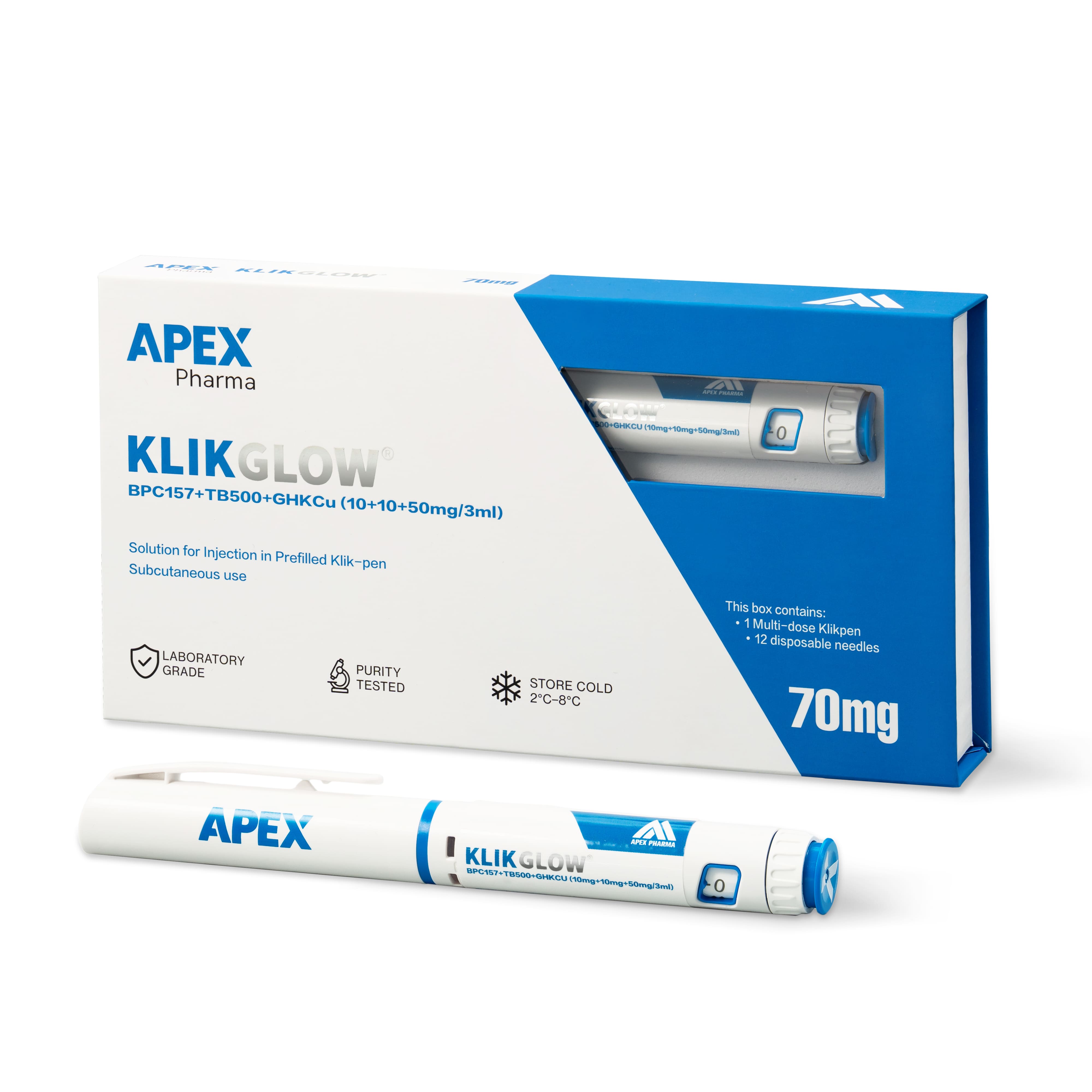
CLOVA lists GHK-Cu in more than one way. There is the individual GHK-Cu listing, and there is the GLOW blend, a single 3ml pen containing GHK-Cu 50mg alongside BPC-157 10mg and TB-500 10mg. This article shows a filing routine that keeps each report attached to the offering it describes.
Why do ingredient folders mislead?
Picture a colleague asking, "Do we have the GHK-Cu COA?" The answer is yes, a file is sitting in the folder, and the question is closed. Two weeks later that same file is cited in an approval for a blend, because the folder name made it look relevant.
A report describes the sample named on it. If it names a single peptide, it says nothing by itself about a three-peptide pen, and the reverse is also true. A genuine document can still concern another subject, and a document that looks relevant hasn't necessarily been checked for relevance. Filing by topic blurs both questions.
How should you name the files?
Put the product first and the topic second. A pattern like this carries what a reader needs:
PRODUCT-NAME_label-name_batch-number_report-ref_saved-YYYY-MM-DD
For GLOW, the label name is KLIKGLOW, so that goes in the name as well as the retail name. Use the batch number exactly as printed on the report, and the date you saved the file rather than a date you assume it was issued.
Leave the original PDF untouched. If you want a tidier name, apply it to an index entry or a working copy so the document as received can always be produced.
What goes in a cover note, and what about topic folders?
Add a short note beside each report, four lines at most:
- Product covered: the name as printed on the report.
- Stated by the report: the property or properties it describes.
- Not covered: anything you looked for and didn't find, marked "not stated".
- Source: where you found it, and when.
That note is where interpretation belongs. The report keeps its original wording, and your reading of it is clearly yours.
Sometimes you inherit a topic-based structure and can't reorganise it. In that case make the product the second-level folder and put one line at the top of the topic folder: "Ingredient name appears here. It does not mean every product containing it is covered." Folder location makes retrieval easier. It isn't a statement about neighbouring candidates, and no one should cite it as one.
Checklist for a GHK-Cu filing review
- Every report sits under the product it names, not just the ingredient.
- File names include the product, label name, batch and the date you saved them.
- The original PDFs are unchanged.
- Each report has a cover note saying what it covers and what it doesn't.
- Any earlier summary that cited a report too broadly has been corrected.
- Batch numbers are compared with the label when stock arrives.
Reports are published on the Certificates of Analysis page and on product pages where one is available. Not every product or batch has a published report, and your file should show "none published" honestly where that is the case.
How do you fix an earlier note that went too far?
If a purchasing note attributed a report too widely, correct the note itself, not just the folder. An approver may be relying on the old sentence. Say what changed: "report relates to the individual GHK-Cu listing only; coverage of the blend not established".
Keep the correction proportionate. Narrowing a claim doesn't show that a product or document is faulty. It means the evidence has a clearer boundary than the first summary suggested. Everything CLOVA lists is for laboratory research use only, so these records exist to support procurement and lab traceability.
Frequently asked questions
Can a standalone GHK-Cu report be used for the GLOW pen?
Only if the report itself covers that product and batch. A report that names GHK-Cu alone describes a different subject from a three-peptide pen. Ask CLOVA which published report, if any, relates to the GLOW batch you would receive.
Where do I find GHK-Cu reports?
On the COA page and on product pages, where a report is available. Not every item has one, so check both and ask if you can't find the one you need.
Should I rename the supplier's PDF?
No. Keep the file as received and put your naming in an index or a working copy. That way you can always show exactly what you were given.