Escalating a Research Supplier Query Without Overreacting
A question that keeps bouncing between departments is not proof of a problem. Here is a proportionate way to escalate it and close it properly.
Escalating a research supplier query is mostly about precision. When a question has been open for weeks, it is tempting to send a sharper email, copy in more people or start describing the supplier as unhelpful. None of that moves things forward if nobody can say exactly what is still unanswered.
A fair escalation does three things. It names the specific gap, it identifies who is best placed to close it, and it keeps the proposed action no bigger than the evidence supports. This article works through one realistic example and a simple ladder you can reuse.
A worked example, the question that keeps bouncing
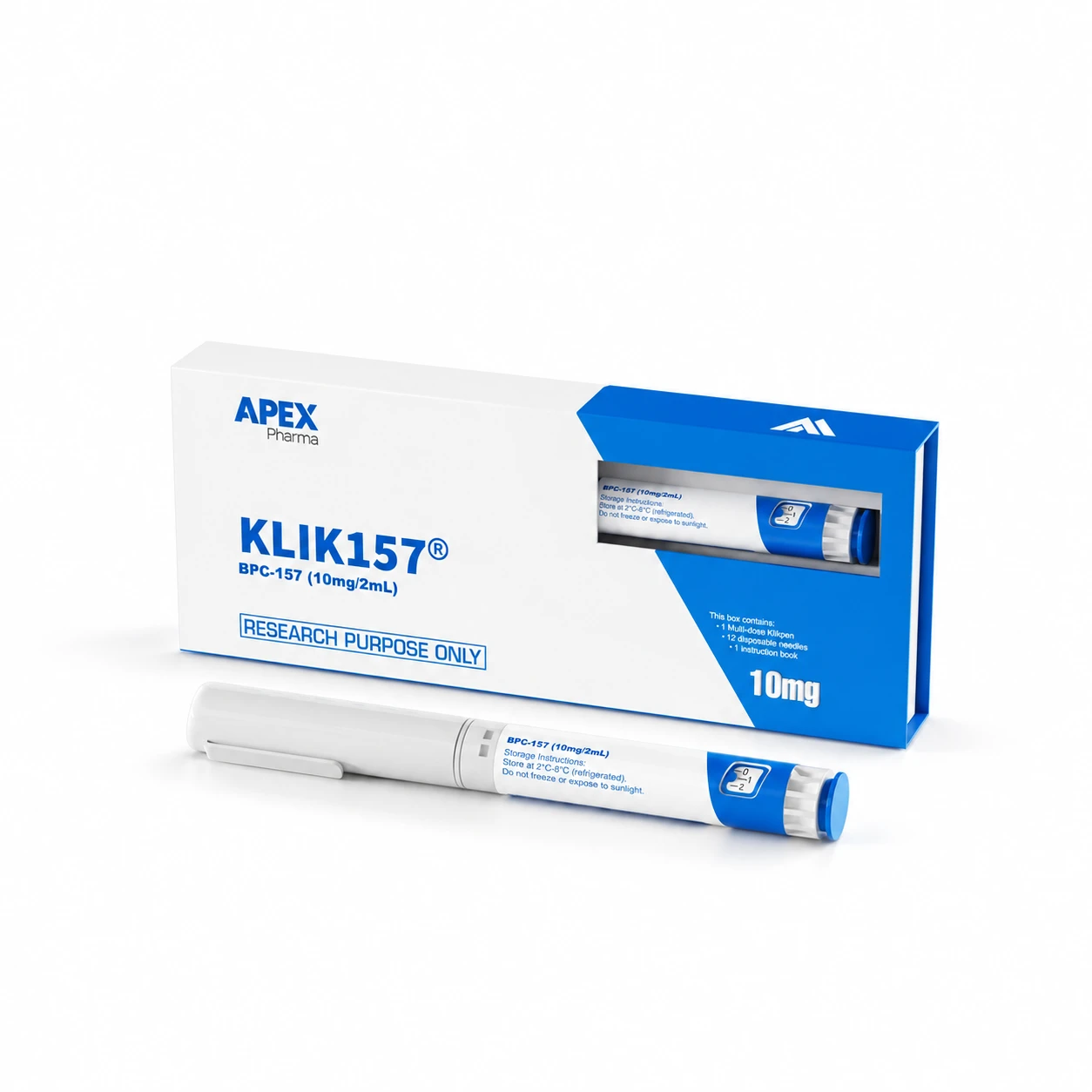
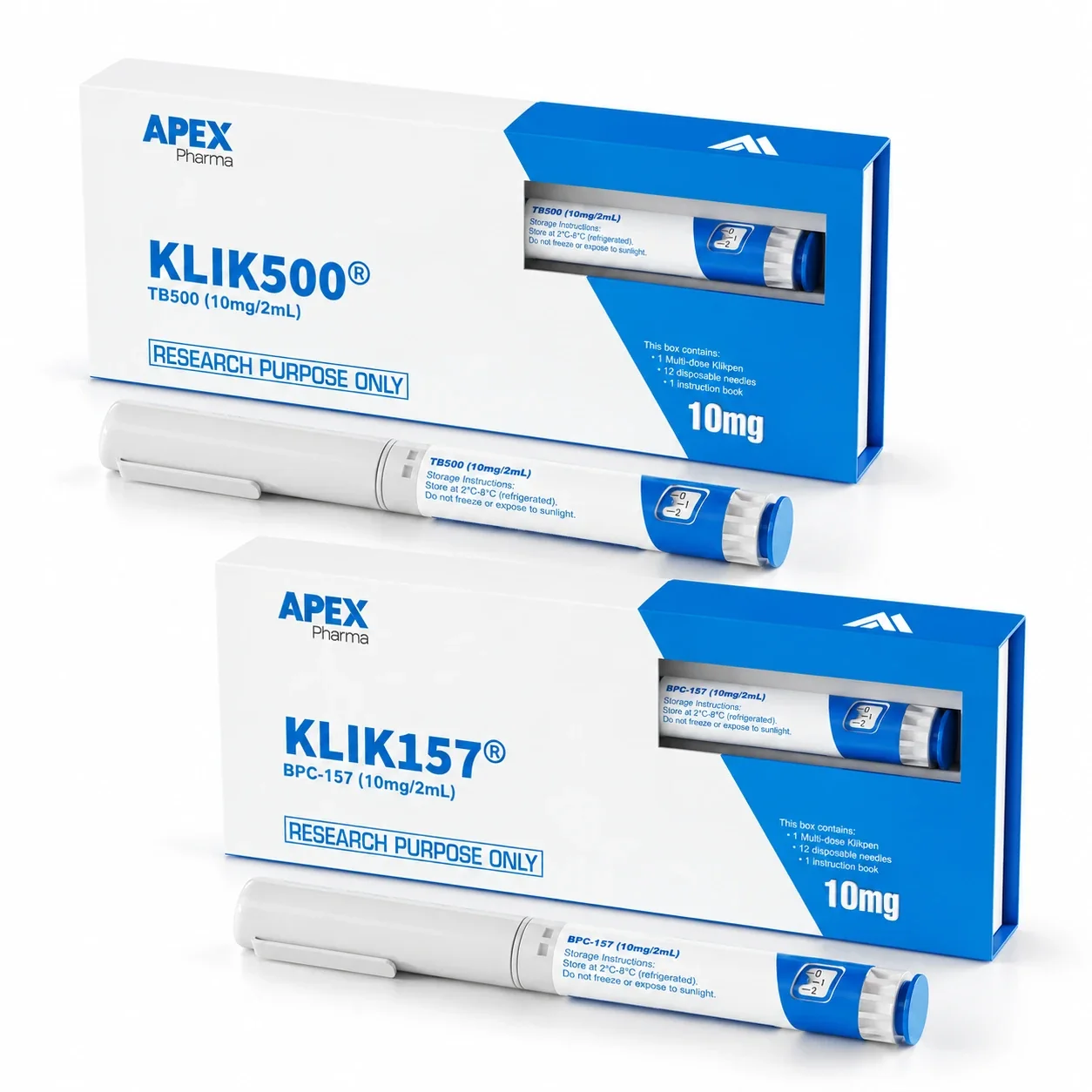
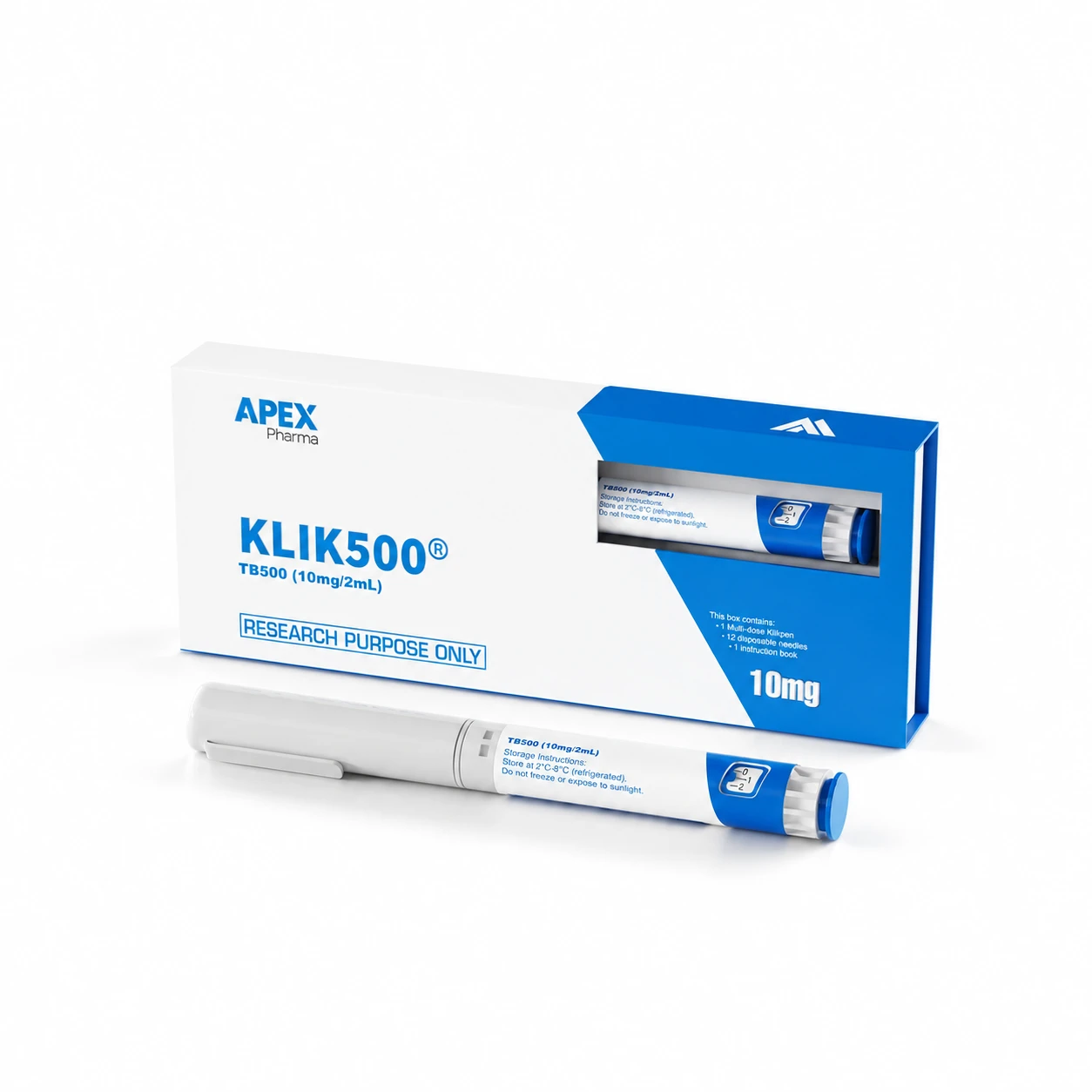
Say a researcher asks whether the TB-500 pen inside the STRENGTH bundle is "the same" as the single KLIK500 listing. Procurement forwards the question to the supplier. A reply comes back. The researcher says it doesn't answer what they meant, and the question goes round again. A few rounds later, someone suggests the supplier is being evasive.
Before anyone escalates, pin down what is already known. The STRENGTH bundle is described as a KLIK500 pen (TB-500 10mg/2mL) plus a separate KLIK157 pen (BPC-157 10mg/2mL), and the single KLIK500 listing describes the same TB-500 10mg/2mL pen. So product identity is documented.
What remains is probably one of two different questions. Will a bundle pen and a single pen come from the same batch? Only the labels, and the supplier, can tell you that. Can the project treat them as interchangeable? Only the researcher can decide that. The loop kept going because the two questions were never separated.
Separate an unanswered question from a problem
A reply that doesn't answer your real question is not evidence of evasion. Very often the question was never put precisely enough to be answered. Equally, a gap in information can stop a proposal progressing for your project without showing that anything is wrong with the product.
Keep your conclusion attached to the real limitation. "We have not yet confirmed whether bundle and single pens share a batch" is accurate and useful. "The supplier won't give straight answers" is a different claim, and nothing in the example supports it.
The escalation ladder
Work up these steps in order, and stop as soon as the question is answered:
- Restate the question in one sentence. Include the full product names, label names and any batch numbers involved.
- Check what you already hold. Re-read the listings, the labels and the Certificates of Analysis where a report is available. Many queries end here.
- Decide who owns the next step. If the facts are in hand but their meaning for the project is unclear, that is an internal question for the researcher, not the supplier.
- Send one specific message. Ask only what the supplier can answer, such as how to tell from the label which batch a pen belongs to.
- Record the answer exactly. Keep the reply's wording rather than paraphrasing it into something broader.
- Choose a proportionate action. Proceed, pause this product for this project, or stop assessing it. Each is legitimate.
Step three is the one most often skipped. Asking a supplier again for information you already hold adds correspondence without answering anything.
Keep any resolution to its proper scope
Suppose the supplier explains how batch numbers appear on labels. That settles one field. It doesn't tell you anything about other products or future orders, so don't stretch it into a general verdict in either direction.
If an internal summary turns out to be wrong, say so in the file and correct the recommendation that relied on it. Describe it as your correction, not as a supplier change. Accurate attribution is fairer to the supplier and much easier for the next reader to follow.
Close the loop for your colleagues
An escalation is finished when someone reading the file can see the issue raised, the information obtained and the decision taken. "Forwarded to supplier" is a status, not an outcome. A short closing note might read: "Product identity confirmed from listings. Batch question answered by supplier. Equivalence for the project decided by the research lead. No wider concern recorded."
That note is honest about what was resolved and who resolved it. It also respects the limits of a supplier's role. Material bought for research use only still goes through your organisation's own checks, and your internal rules decide what the project can accept.
Frequently asked questions
When should a query go back to the supplier rather than stay internal?
Go back to the supplier when the missing piece is information only they hold, such as how batches are identified. If you already have the facts and the question is what they mean for your work, the next step belongs to your researcher.
How do we stop a question bouncing between departments?
Write it as one sentence, name a single owner and agree what answer would close it. Most loops happen because each person is answering a slightly different question.
Is it fair to pause a product while a query is open?
Yes, if the pause is limited to the decision the query affects. Pausing one product for one project is proportionate. Wider conclusions need wider evidence.