Judging GLOW Peptide Supplier Replies as Answered, Partly or Open
Send the same three questions to each GLOW peptide supplier, then sort the replies into answered, partly answered or open. It is fairer than a score out of ten.
You send the same questions to several suppliers of a GLOW peptide and get back replies of very different lengths, speeds and tones. When you compare peptide supplier replies with a score out of ten, the friendliest writer tends to win rather than the best answer. A source that replies warmly but skips your key question can easily outscore one that answers tersely and precisely.
A simpler method works better: for each question, mark the reply as answered, partly answered or open, and write a line explaining why. You end up with a record you can defend, and a clear idea of what to ask next.
Start with three questions that have checkable answers
Vague questions produce vague replies. These three can each be checked against something concrete:
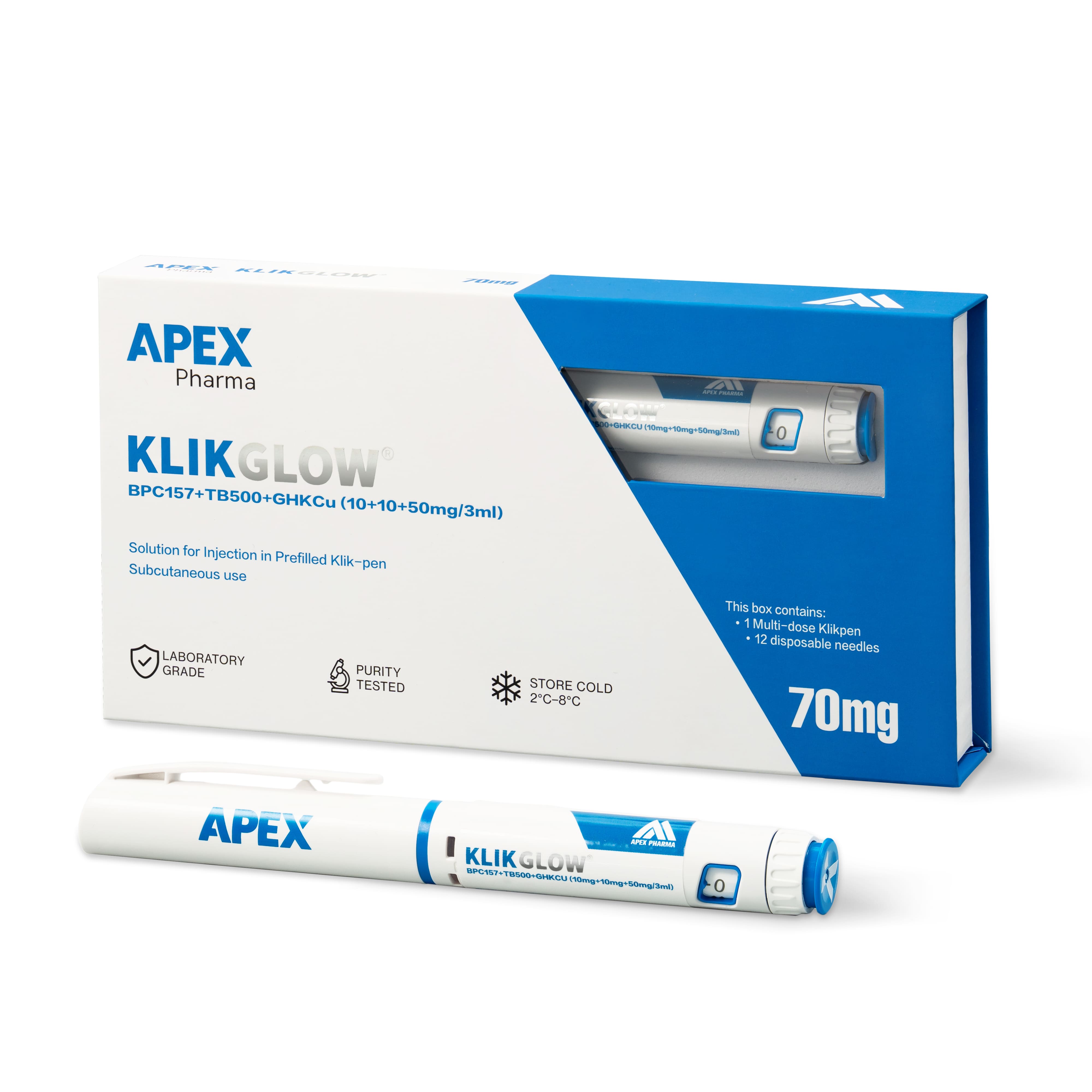
- What exactly is in the pen, and in what amounts? A checkable answer names each component and its amount. On the CLOVA GLOW listing, that is BPC-157 10mg, TB-500 10mg and GHK-Cu 50mg in one 3ml pen.
- Is there a Certificate of Analysis for this product, and how do I match it to my batch? Look for a clear route from the batch number on the label to a specific report.
- How does the order ship, and when does it dispatch? A usable answer covers temperature control, tracking and a cut-off time.
For reference, CLOVA publishes these answers openly: reports on the CoA page and on product pages where a report is available, and delivery details on the delivery information page. A source whose pages are less specific should be able to answer in writing.
The three states
Answered. The reply addresses the question asked and gives specifics you can verify against the listing or a document.
Partly answered. There is an answer, but something material is missing. A typical case is "yes, we have reports" without saying whether a report exists for this product or this batch.
Open. No reply, or a reply about something else, such as a general statement about quality standards.
Write the date you asked beside each. Partly answered is the most common state, and it is the most useful one to notice because it tells you exactly which sentence is missing.
Silence is not evidence of a problem
A missing answer stops you progressing, but it does not prove anything about the source. Record it as open, follow up once, and describe the consequence in your own terms: "contents cannot be confirmed, so this offer cannot yet be assessed". Words such as "evasive" belong to conclusions you do not have the evidence to draw.
Send one follow-up, not the whole list again
Resending every question tends to produce the same reply. Aim at the gap instead. For example:
Thanks for the reply. Could you confirm whether the report you mentioned relates to this specific product, and how the batch number on the label maps to it?
Sometimes the missing piece is not on the supplier's side. If the document is already in your hands and nobody has judged whether it covers the item, asking again changes nothing. Make sure the colleague with the right expertise has actually read it.
Write up the next question rather than a winner
For an approver, the most helpful summary names the offers assessed, what each state is for each question, and the single reply most likely to change the picture. Sometimes the right recommendation is "ask supplier B about the batch report" rather than a preferred supplier.
Keep the commercial and technical judgements separate, too. The buyer can say which replies were complete; whether the material suits the work is for the researcher, bearing in mind that everything CLOVA supplies is for laboratory research use only.
Frequently asked questions
How many suppliers should I contact?
Two or three is usually enough to see how replies differ, provided each gets identical questions. The number matters less than asking the same things in the same words.
What if a supplier answers by phone?
Make a note of the date and what was said, then ask for the answer in writing. A confirmed email is much easier to attach to a purchasing file than a memory of a call.
Where can I see how CLOVA would answer these questions?
The product page covers contents, the CoA page covers published reports, and the delivery page covers dispatch and shipping. The about page explains who CLOVA is.