Who Does What When You Source a GLOW Blend From a UK Supplier
A supplier can describe, document and deliver. Your organisation still decides, accepts and stores. A clear split of roles for a GLOW blend purchase.
When you approach a BPC-157 TB-500 GHK-Cu blend supplier in the UK, it helps to be clear about which questions they can answer and which ones only your organisation can. A friendly, quick reply from a supplier is useful, but it does not settle questions that were never theirs to settle.
This article splits the responsibilities in a typical GLOW blend purchase between CLOVA and the buying organisation, so each question goes to the person able to answer it.
What the supplier is responsible for
A supplier's role covers what it sells and how it gets to you. For CLOVA's GLOW blend, that includes:
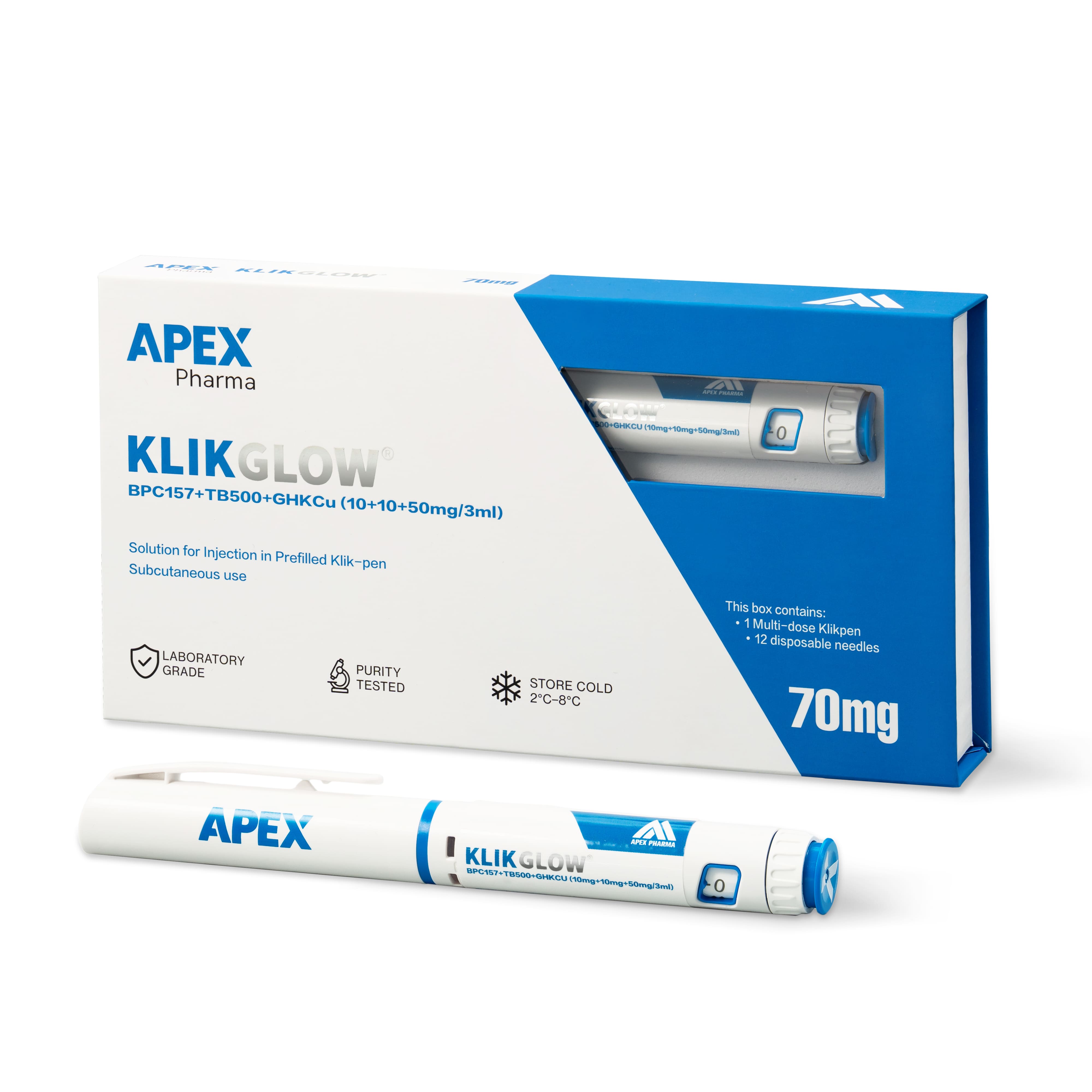
- An accurate listing: one 3ml pen containing BPC-157 10mg, TB-500 10mg and GHK-Cu 50mg, labelled KLIKGLOW
- Publishing Certificates of Analysis on its reports page and product pages where a report is available
- Dispatching cold, by tracked delivery, in discreet unbranded outer packaging
- Same-working-day dispatch for orders paid before 1pm UK time, Monday to Friday
- A stated returns and refunds policy for when something goes wrong
Questions about any of these belong with the supplier. If you want to know more about who you are dealing with, the about page is the place to start.
What stays with your organisation
Some responsibilities cannot be handed to a supplier, however helpful it is.
Defining the requirement. Only your researchers can say whether a combined three-peptide pen suits the work, or whether separate materials are needed.
Checking your own rules. Whether your organisation can purchase and hold a given material is a question for your internal policies and the rules that apply to you, not for the seller.
Accepting documentation. A supplier can provide a report. Deciding whether it meets your acceptance criteria is an internal judgement.
Storage after receipt. Once the parcel is signed for, keeping the pen at 2–8°C, unfrozen and away from light is your team's job.
Spending authority. Who can commit budget is set by your organisation, not by whoever happens to be emailing the supplier.
Questions to send out, and questions to keep in-house
A useful habit is to sort questions before any email is written.
Send to the supplier: Is the item currently available? Is there a published report for a particular batch? What are the delivery arrangements for a given date? How are returns handled?
Keep in-house: Does this formulation meet the brief? Does the report satisfy our acceptance criteria? Are we permitted to buy this? Who approves the spend?
Mixing the two lists wastes time on both sides. A supplier asked whether a product suits your study cannot give you a meaningful answer, and should not be expected to.
Recording who said what
Purchase files often blur the line between receiving information and accepting it. "Certificate provided" and "certificate accepted" are different statuses, and the file should show which one applies. The same goes for availability: "supplier says in stock on this date" is not the same as "order confirmed".
Use this short checklist when you update the file:
- Each supplier statement is recorded with its date and source
- Documents are marked as received, then separately as reviewed
- The person who reviewed each document is named
- Internal decisions are marked as internal, not attributed to the supplier
- Open questions show who owns the next step
Recording things this way also makes it easier to check the batch number on the KLIKGLOW label against the Certificates of Analysis page when the pen arrives, because the file already says whose task that is.
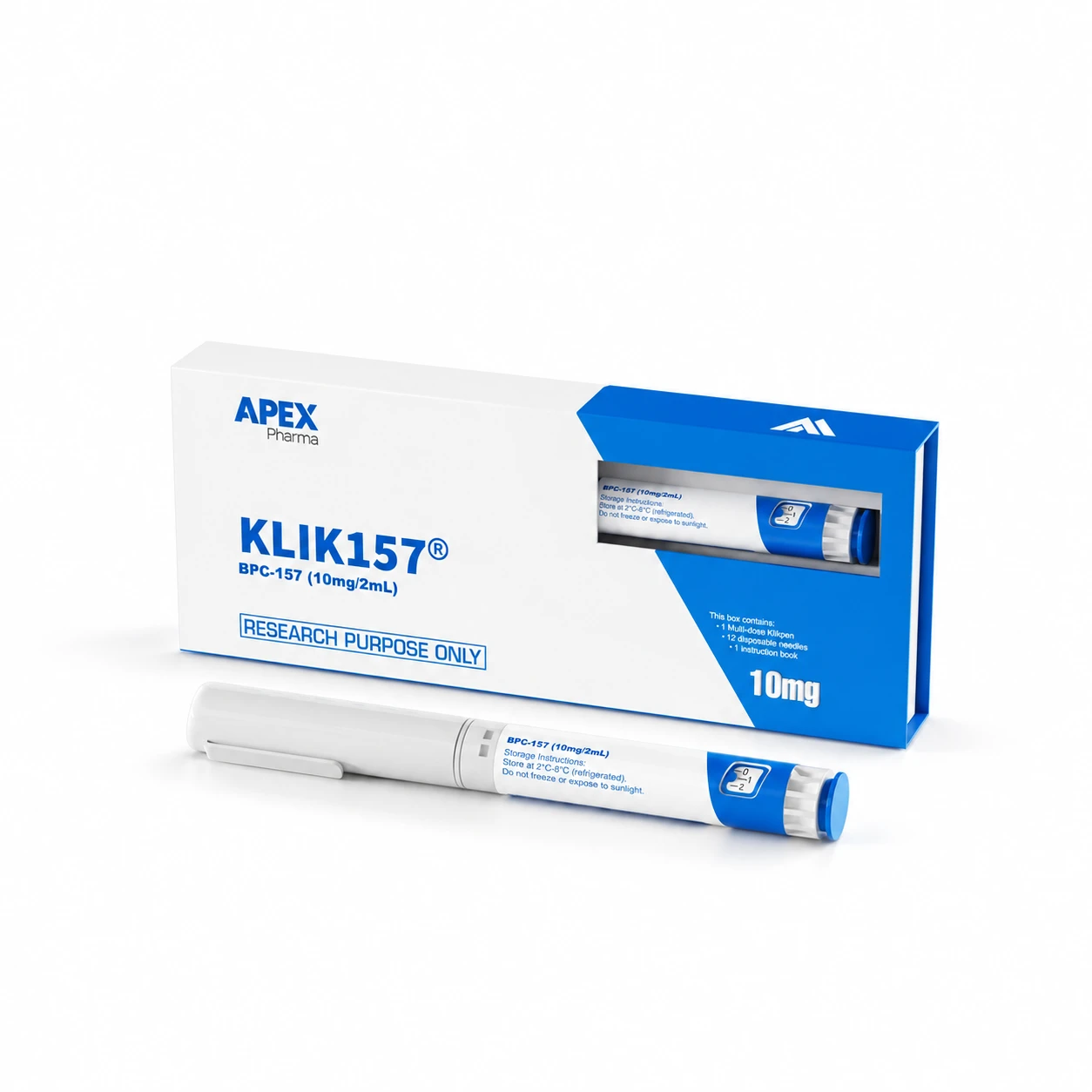
GLOW is supplied for research use only. That framing belongs in your internal records too, so the purchase is never described as anything other than a laboratory material.
Frequently asked questions
Does the supplier decide whether GLOW suits my study?
No. The supplier describes the product accurately and supplies it. Whether a combined pen with these amounts fits your work is a decision for your own researchers.
Who checks that a certificate matches the pen we received?
Your team does. CLOVA publishes reports where available, and someone in your organisation should match the batch number on the label to the report and record the result.
Can the supplier tell us whether we are allowed to buy this?
That question belongs to your organisation. Check the rules and internal policies that apply to you before ordering, rather than relying on a seller's view.