Keeping a Source Log for Online BPC-157 TB-500 GHK-Cu Blend Pages
Search a blend name and you will find product pages, snippets, reposts and forum threads that disagree. A source log keeps track of who said what, and when.
Search for a BPC-157 TB-500 GHK-Cu blend online in the UK and you will quickly collect five tabs: a product page, a search snippet, a reseller listing, a forum thread and perhaps a PDF. Each describes the blend a little differently. One omits an ingredient, one gives a different amount, one has no pack size at all.
None of that is unusual, but it becomes a problem when a copied sentence lands in a procurement note with no record of where it came from. The fix is dull and effective: a source log, kept from the first search.
Rank the sources before you quote any of them
Not every page deserves the same weight. A sensible order, from most to least reliable for a purchasing note:
- The seller's own current product page. It states what is being offered right now.
- A written reply to your enquiry. It answers your question about your order.
- The label and Certificate of Analysis for the batch you receive. These describe the material actually in your hands, where a report is available.
- Everything else. Snippets, reposts, marketplace summaries and forum comments are leads to check, not evidence to cite.
An educational article explains a topic, and a product page makes an offer. Do not let background reading stand in for a description of the item you are buying.
What to write down for every page
One row per page, filled in at the time you read it:
- the full web address
- the date and time you viewed it
- the type of page (product page, snippet, reply, forum and so on)
- the exact wording, copied rather than paraphrased
- the figures it states: components, amounts, pack size, volume
- what it does not state
- the file name of your screenshot, if you took one
That last "does not state" column is the most useful one. Gaps are what you will ask about later.
A worked example with a mismatched snippet
Suppose a colleague forwards a snippet reading "BPC-157, TB-500 and GHK-Cu pen, 20mg of each". Before it goes anywhere near a specification, check it against the source that counts.
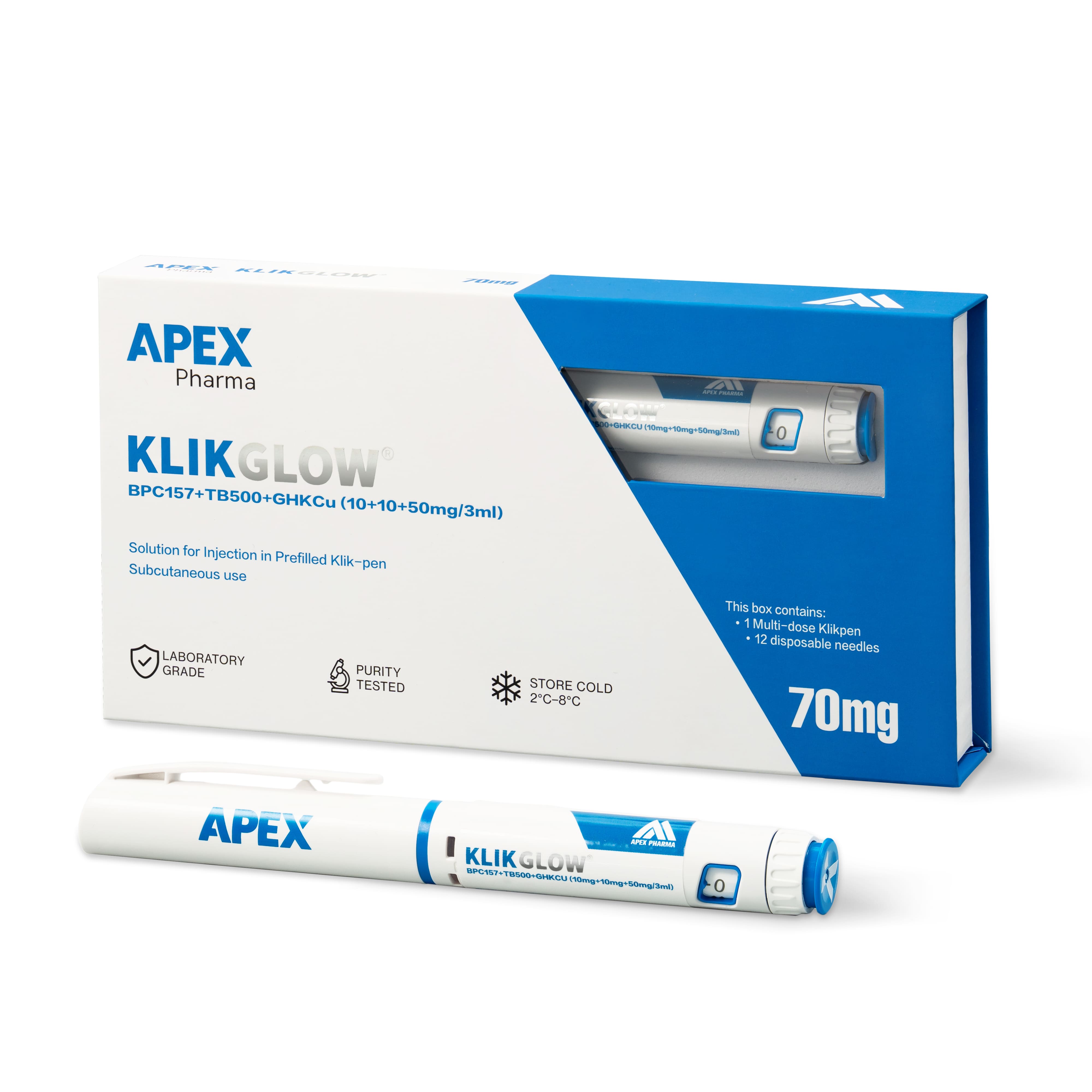
CLOVA's GLOW product page lists BPC-157 10mg, TB-500 10mg and GHK-Cu 50mg in one 3ml pen, 70mg in total, with the label name KLIKGLOW. The snippet disagrees on amounts, so log it as "unverified, differs from product page" and use the product page. You do not need to work out why the snippet is wrong. You only need to avoid building on it.
The same applies in reverse. If a page names only two of the three components, it may be describing a different product entirely, so do not borrow its details to fill gaps in the one you shortlisted.
Dates matter more than people expect
A page tells you what was true when you read it. Listings change, and a note copied in March can be wrong by May. Keep the viewing date on every row, re-check the product page before you order, and ask the seller to confirm the details of your actual order in writing.
When the goods arrive, the label and any Certificate of Analysis for the batch become the final check on what you were sent. Reports are published where one is available, so a missing report is something to log, not to assume away.
Who is behind the page?
A source log also helps you notice who is making the statement. Read the about page to see who runs the site you are buying from, and keep that alongside the product page in your file. If you cannot tell who is selling, that is worth recording before any money moves.
Listings should describe the contents of the pen, since the material is supplied for laboratory research use only. A page that talks about what the blend will do for people or animals is not a useful source for a procurement record. Leave it out.
Frequently asked questions
Which description should I treat as definitive?
Use the seller's current product page together with their written confirmation for your order. On arrival, the label and report for your batch take over.
Is a screenshot enough?
A screenshot helps, but pair it with the web address, the viewing date and the copied text. Images alone are hard to search later.
How often should I re-check a page?
At least twice: before you place the order and when the delivery arrives. If your project runs long, add a date to your calendar rather than relying on memory.