Buying a BPC-157 TB-500 Blend Online? Build a Seller Evidence File
You can't walk into an online shop, so collect proof instead. A practical list of what to save and ask for before buying a peptide blend from a website.
Buying a BPC-157 TB-500 blend online in the UK means putting your trust in a website you can't walk into. Design polish and a confident tone tell you very little. What does help is a small evidence file: dated copies of what the seller said, who it is, and what it sent back when you asked a question.
You can build one in an afternoon, before any money moves. It also makes life easier for whoever approves the purchase and for anyone who later asks why you chose this supplier.
Start by saving the listing
Pages change. Save a dated copy of the product page, as a PDF or screenshot, showing the name, composition, pack format, price and any wording about purpose.
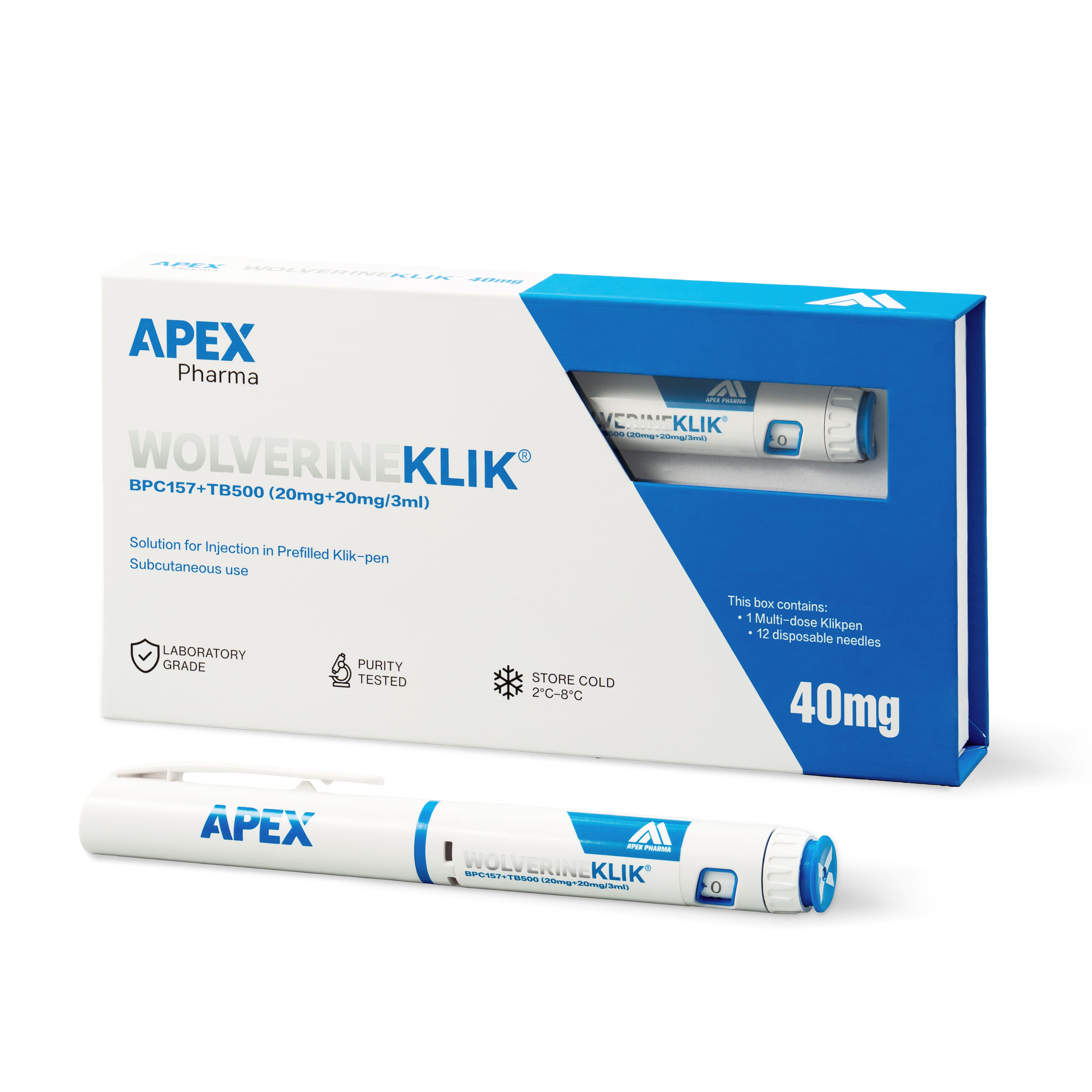
Then read the composition line carefully. The Wolverine blend, for instance, is listed as BPC-157 20mg plus TB-500 20mg in one 3ml pen (40mg in total). A page that gives only a total, or only a product nickname, leaves a gap. Note it as a gap rather than filling it in from memory.
Find out who is actually selling
A supplier should be easy to identify. Look for a named company, a way to contact a real person, and terms that you can read without logging in. The about page is the natural place to start.
Then check that the details are consistent. The business name on the site, in the checkout and in the order email should tell the same story. A mismatch isn't proof of anything, but it deserves a polite question before you pay.
What the paperwork side should look like
Ask whether a Certificate of Analysis exists for the product and batch you would receive. Reports are published on the COAs page and on product pages where one is available, and nobody should promise that every item has one. If a report exists, the batch number printed on it should match the batch number on the label when the pen arrives.
If no report is listed for your product, treat it as an open question and put it to the seller in writing. Whether the project can go ahead without one is your call.
Let the delivery and returns pages speak
Vague promises of "fast shipping" tell you little. Specific statements are far easier to check later. CLOVA's own pages, for example, say that orders paid before 1pm UK time Monday to Friday are dispatched the same working day, that products ship cold by tracked delivery, and that outer packaging is discreet and unbranded. Compare any supplier's claims with those details on the shipping and delivery page and its returns and refunds policy, and save both.
What to put in the evidence file
- Dated copy of the product page, including composition and pack format.
- Company name, contact details and the terms page, saved on the same date.
- Any Certificate of Analysis for the batch, or a note that none was available.
- The delivery and returns wording that applied when you ordered.
- Every email exchanged with the seller, in order.
- The order confirmation, checked against the listing line by line.
- Photos of the label and outer packaging on arrival.
- A one-line decision note naming who approved the purchase.
Send one test email
Before you commit, ask a question that needs a real answer. For example: "Which batch is currently available for this product, and can you point me to the report for that batch?"
Then look at the reply, not just the answer. Is it specific? Does it come from a named person or company address? Does it respond to what you asked, rather than repeating a sales line? A short, clear reply that says "no report is published for that batch" is more useful than a long one that avoids the question.
Frequently asked questions
Are customer reviews enough to judge a remote seller?
Reviews can show how orders went, but they say little about what is in the pen or whether the paperwork matches. Use them as background and rely on documents and written replies for the decision.
What if the supplier has no Certificate of Analysis for my product?
Ask whether a report exists for the exact batch and record the answer. If none is available, decide whether your project can proceed without one, and keep that decision in the file.
Should I keep the packaging?
Photograph the label, batch number and outer packaging on arrival, and keep the images with your order record. That gives you something concrete to compare against the listing and any report.