Writing a Research Question for a BPC-157, TB-500 and GHK-Cu Blend
A list of component names is not a question. Here is how to separate identity, single-component and combination questions so your reading answers something specific.

A list of component names is not a research question. Type BPC-157, TB-500 and GHK-Cu into a search box together and you will get a heap of results, most of which answer questions you never asked. If you are scoping BPC-157 TB-500 GHK-Cu blend research ahead of a purchase, write the question first and search second.
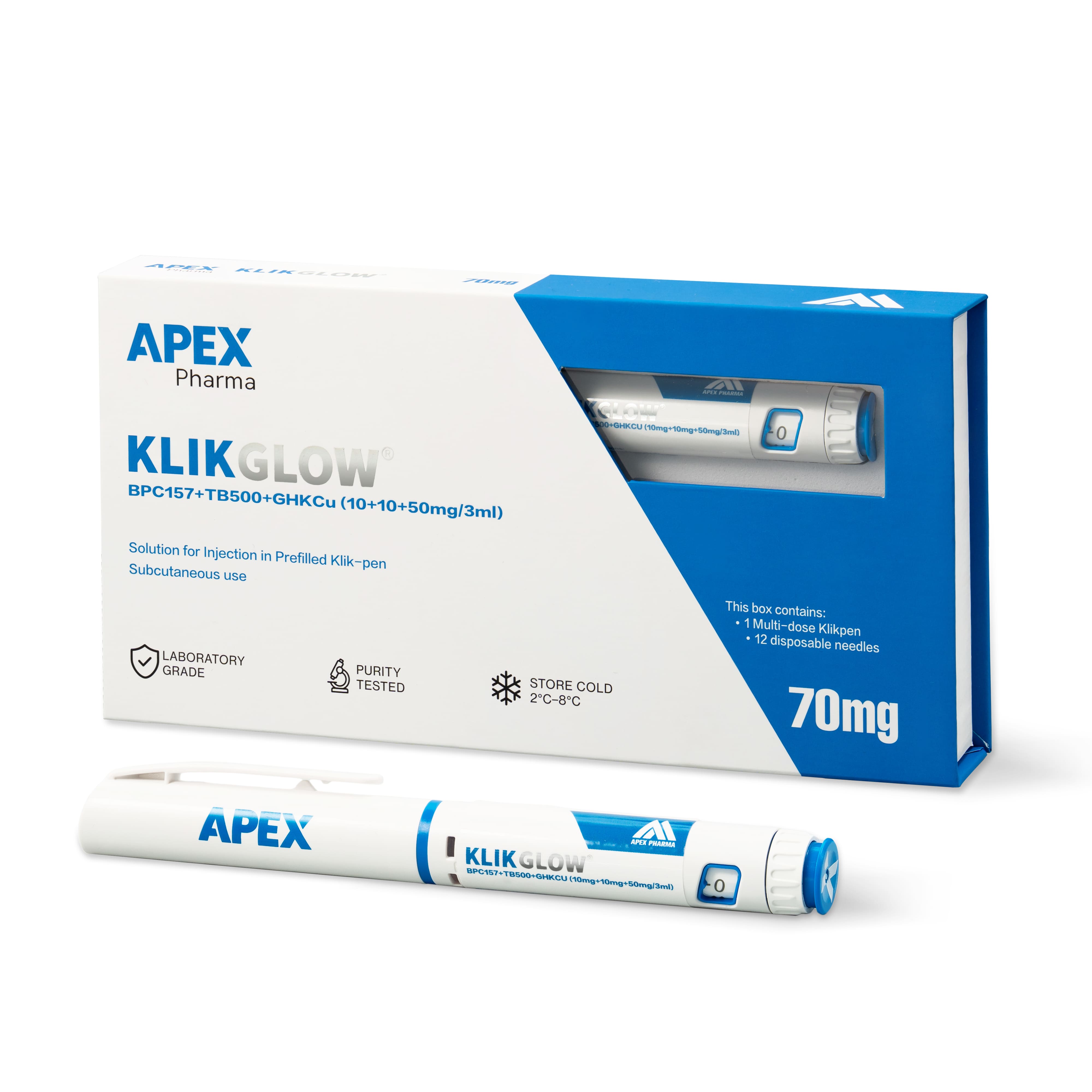
The GLOW pen holds all three in one 3ml pen: BPC-157 10mg, TB-500 10mg and GHK-Cu 50mg. But a pen is a product, and papers study materials, not catalogue names. Your question has to say which of those two things you are asking about.
Three layers of question, three kinds of evidence
Most muddled reading lists come from treating these as one:
- Identity. Does the pen contain what the listing states? This is answered by the listing, the label and a Certificate of Analysis where one is available on the COAs page or product page. It is not a literature question at all.
- Single component. What do sources report about one of the three on its own, such as how it is identified, measured or stored?
- Combination. Is there any source that examines all three together, or only separately?
Each layer needs different evidence. Mix them and you end up with a folder of papers that appears to "support" a product they never examined.
Write the question as one sentence
A workable template is: for [material], in [setting], what do [type of source] report about [specific property]?
Compare a weak question with some better ones:
- Weak: "What does the GLOW blend do?" It asks for outcomes the listing makes no claims about, and it invites sources written about entirely different materials.
- Better: "Which analytical methods do published sources describe for confirming the identity and purity of GHK-Cu as a research material?"
- Better: "What storage conditions do published sources describe for BPC-157 and TB-500, and how do they compare with the 2–8°C advice in our storage guide?"
- Better: "Is there a published source that examines BPC-157, TB-500 and GHK-Cu together, or only individually?"
Notice that none of them contains the word GLOW. That is deliberate: it is a CLOVA catalogue name, so search on the compound names, which are what sources are likely to use.
Keep every source tied to what it studied
When you log a paper, record four things: the exact material and form it examined, the setting, what was measured, and whether the authors report an observation or propose a mechanism. A proposed mechanism is a hypothesis, not a finding about the pen on your bench. A study of a related compound or a different form is not a study of your material.
Keep the original wording of the source visible in your notes. Paraphrasing is where "was observed under these conditions" quietly becomes "is true".
A checklist before you start searching
- The question fits in one sentence and names materials, not catalogue names.
- You know which layer it belongs to: identity, single component or combination.
- Your search terms are the component names, plus any alternative names your reviewer recommends.
- You have decided what counts as relevant: material, setting and type of source.
- Someone with the right expertise has agreed to interpret technical content.
- You know where the notes will live so a colleague can pick them up.
Turning the answer into a purchasing note
At the end, your note should say which question the sources help with and what remains open for the actual product. A page of titles with no relevance comments creates an impression of support while hiding the gap.
The next step is then specific: another search, a specialist read, or a question to CLOVA about a listing or report. The product page describes contents rather than outcomes, and the material is supplied for laboratory research use only, so interpreting the literature stays with your own reviewer. If you are unsure what that wording covers, this explainer sets it out.
Frequently asked questions
Do I need to search the literature before ordering?
That depends on your organisation's process. The point of writing the question first is that, if you do search, the results answer something specific rather than filling a folder.
Does a paper on one component cover the whole blend?
Not automatically. Log it against the component it examined and say plainly that it does not address the combination, unless it does.
Should the question mention the product name?
Usually not. Name the compounds and the property you care about. The product name belongs in the identity layer, where the label and report do the work.