Prioritising Product Checks for a BPC-157 TB-500 GHK-Cu Blend
Thirty ticked boxes can hide the one that matters. Sort your blend checks into tiers so a deal-breaker is always visible.
A long checklist feels thorough, but it can hide the one question that actually decides a purchase. If you are running BPC-157 TB-500 GHK-Cu blend product checks, the useful work is sorting them by consequence: which could stop the order, which shape it, and which are simply good to know.
This article sets out that tiered approach using CLOVA's GLOW blend as the example. It is a way of organising a review, not a record of any completed inspection.
Start with the decision you are actually making
Checks look different depending on the stage. Shortlisting a candidate for an enquiry needs less than approving a purchase. Write one line at the top of your checklist saying which decision it supports, for example "shortlist for enquiry" or "ready for spend approval".
That line stops a preliminary review being mistaken for final acceptance. It also tells a colleague who picks up the file how far the work has got.
Tier 1, checks that can stop the purchase
These are the deal-breakers. If any one is unresolved, the purchase should not move forward yet.
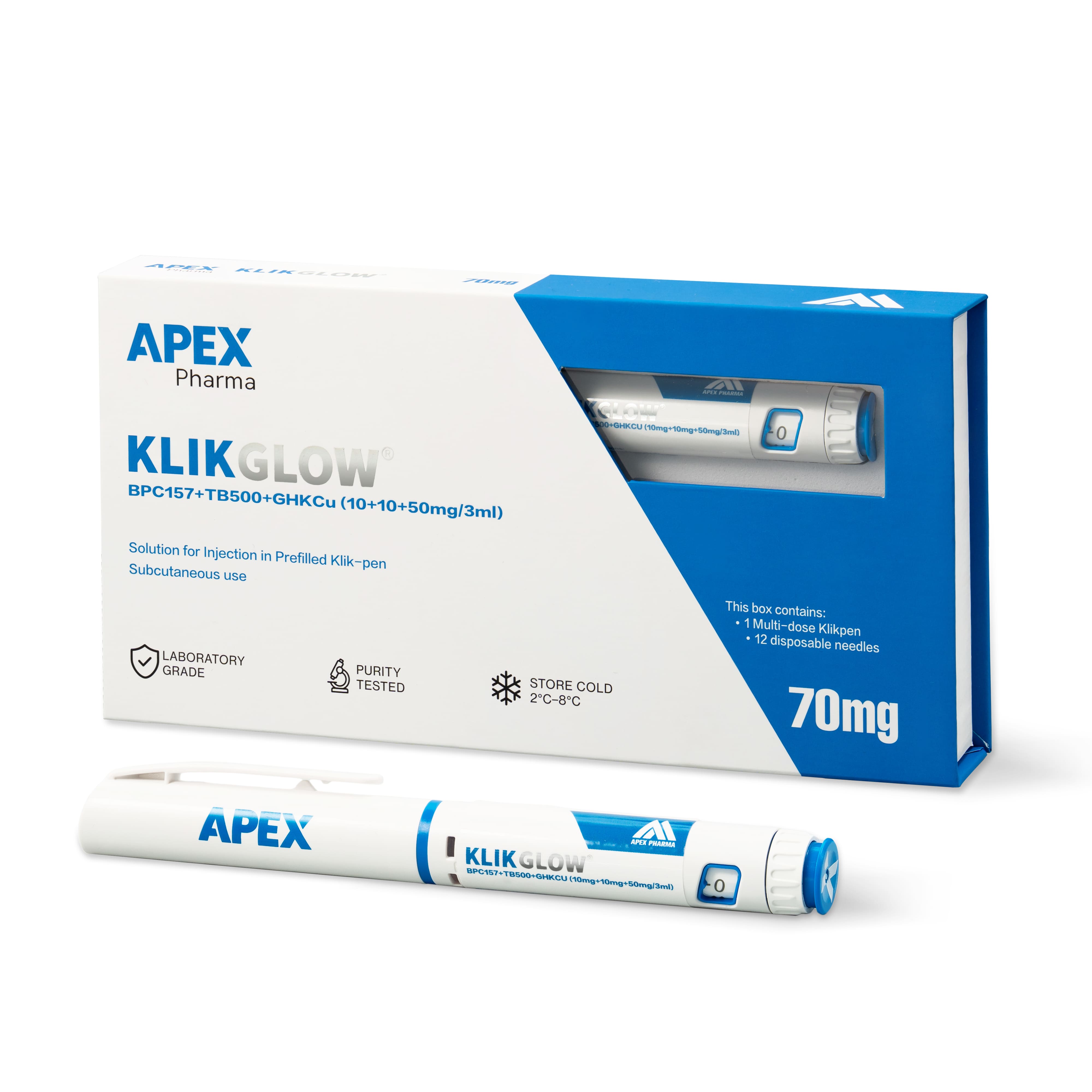
- The product matches what your work requires. GLOW is BPC-157 10mg, TB-500 10mg and GHK-Cu 50mg in one 3ml pen, 70mg in total, labelled KLIKGLOW
- A fixed three-component combination in a single pen suits the brief, rather than separate items
- Documentation meets your organisation's needs, including whether a Certificate of Analysis is available for the batch
- Your organisation's own rules permit the purchase, which only you can check
- You can store the product at 2–8°C, away from light and without freezing, as set out in the storage guide
The person responsible for the research, not the template, should decide what belongs in this tier.
Tier 2 and Tier 3, checks that shape the order
Tier 2 checks will not usually block a purchase, but they can change its timing or quantity.
- Dispatch timing: orders paid before 1pm UK time Monday to Friday are dispatched the same working day
- Someone available to receive a cold, tracked parcel and refrigerate it promptly
- The number of pens needed, and fridge space for them
- Who approves the spend, and whether they have what they need
Tier 3 is useful context. Packaging details, such as the discreet unbranded outer packaging, and general background on the supplier belong here. They are worth recording but should never outweigh an open Tier 1 item.
How a big checklist can mislead
Picture a review with thirty rows. Twenty-nine are ticked, covering everything from delivery method to label wording. One row is open: nobody has yet matched the batch number on the expected label to a published report. A summary saying "29 of 30 complete" sounds nearly finished. In practice the purchase is blocked, because that single row sits in Tier 1.
So put open Tier 1 items at the top of any summary, ahead of the count of completed checks. Better still, drop the count. Write the open item, why it matters and who will resolve it.
Writing up an unresolved check
An open check should say three things: what is missing, why it matters and whose job it is. "CoA status for current batch unknown, needed for Tier 1 documentation requirement, buyer to check the Certificates of Analysis page and product page" is far more useful than "pending". An unknown is not a failure. It is a task.
Closing the review
When the checks are done, the closing note should name the supported conclusion, anything still open and the person responsible for the next step. That step might be another enquiry, a request for approval to buy, or a decision to look elsewhere. All three are legitimate outcomes.
Keep technical judgement and spending authority separate in the note. A satisfactory set of product checks does not approve the spend, and an approved budget does not settle a product question. GLOW, like all CLOVA products, is sold for research use only, and your notes should stay focused on product details and documentation.
Frequently asked questions
How many checks should a blend review include?
As many as your decision needs and no more. Start with the deal-breakers, then add checks that shape the order. Extra rows that never change the outcome mostly make the important ones harder to see.
Is an unanswered check the same as a failed check?
No. An unanswered check means information is missing, which calls for a question or a decision to pause. A failed check means you have information showing the product does not meet a requirement.
Who should decide which checks are deal-breakers?
The person responsible for the research work, using the project brief. Purchasing staff can then run the checks without having to guess at their importance.