Designing Quantity Fields for a GLOW Blend Purchase Record
One order line, four different numbers. A simple way to set up your purchase record so pen counts, component amounts, totals and volumes each keep their own meaning.

Ask three colleagues what "quantity" means on a blend order and you may get three answers: the number of pens, the amount of each peptide, or the total content of a pen. Each is correct for its own question, and none of them can stand in for another. The trouble starts when a single field on a form has to carry all of them.
This article is about recording BPC-157 TB-500 GHK-Cu blend component amounts so the numbers stay meaningful as they move from a product listing into an order form, a stock sheet and an approval note. It is a record-keeping method, nothing more: it doesn't ask you to calculate anything, and it never needs a figure that isn't on the listing in front of you.
The four numbers hiding behind "quantity"
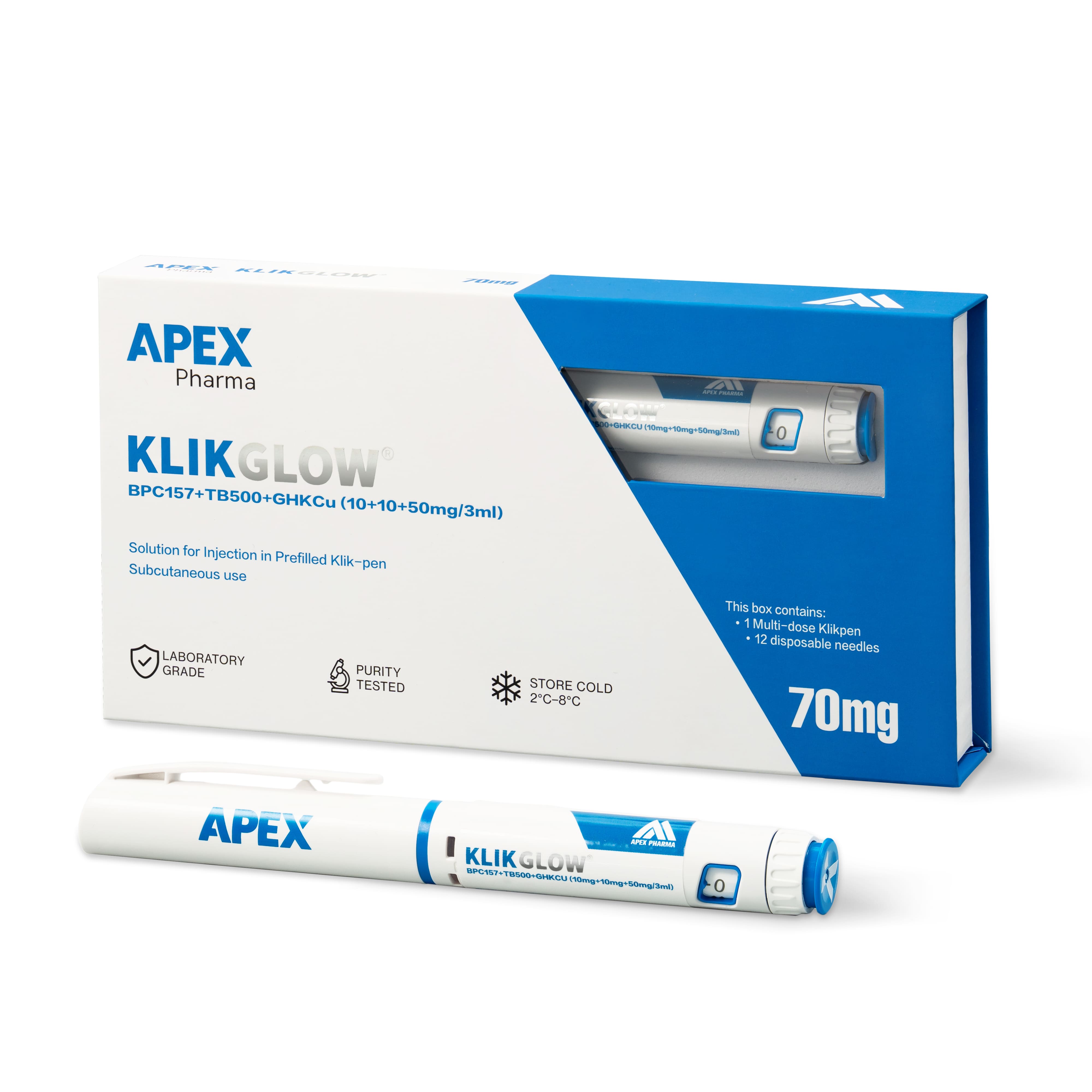
Take the GLOW blend as an example. Its listing carries several numbers that look alike but answer different questions:
- Pens ordered. A count of items, such as one or two.
- Component amounts. BPC-157 10mg, TB-500 10mg and GHK-Cu 50mg in each pen.
- Pen total. 70mg across the three components in a single pen.
- Pen volume. 3ml, which is a volume rather than a mass.
The label on the pen reads KLIKGLOW, which is worth recording too, because it is the name your colleagues will see on the physical item.
Give every number a unit, a subject and a source
A bare "70" in a spreadsheet cell will be misread sooner or later. A more reliable habit is to store each figure with three things beside it: what it describes, its unit, and where it came from.
For example, "GHK-Cu | 50mg | per pen | product listing" says far more than "50". If the order covers two pens, the order line reads "2 pens", and any combined content figure goes in a separate, clearly labelled field such as "total peptide content across order: 140mg". Keeping the count and the amount apart means nobody has to guess whether "2" and "140" are in conflict.
Don't let a pen total stand in for a component
The commonest slip is copying the pen total into a field meant for one peptide. A record that shows "70mg" against GHK-Cu looks tidy and is simply wrong. The total is the sum of three amounts, and it tells you nothing about how that sum divides unless the listing says so.
The same caution applies to volume. A 3ml pen and a 70mg total describe different things, so they belong in different columns. If a supplier's reply gives only a total, record it as a total and ask for the breakdown rather than working backwards from the number. A guessed component amount in a purchase record has a way of being quoted later as fact.
Stated on the listing versus shown on a report
Amounts on a listing are what the seller states. A Certificate of Analysis, where one is published for the batch, reports results for a tested sample. The two are not the same kind of evidence, and your record should say which one a figure came from.
So avoid ticking "verified" next to a listed amount just because a report exists. Check the batch number on the pen label against the one on the report on the Certificates of Analysis page or the product page, and note what the report actually covers. Whether that is enough for the project is a judgement for the researcher, not for whoever fills in the form, and nobody should invent an acceptance limit to complete a field.
A quick test before you save the record
Run each new entry through this list:
- Does every number have a unit and a subject next to it (pens, one peptide, pen total, volume)?
- Is the pen count stored separately from any milligram figure?
- Is each component amount copied from the listing for this exact product, not from a similar-sounding one?
- Is the source of each figure noted as listing, supplier reply or report?
- Does the batch number on the label match the report you have attached?
- Would a colleague who has never seen the listing read each field the same way you do?
Frequently asked questions
Should I record the pen total or the three component amounts?
Both, in separate fields. The component amounts show what the pen is said to contain, and the total gives a quick check that the three add up. Label each one so the total is never mistaken for a single peptide.
Can I reuse these figures for the Wolverine blend?
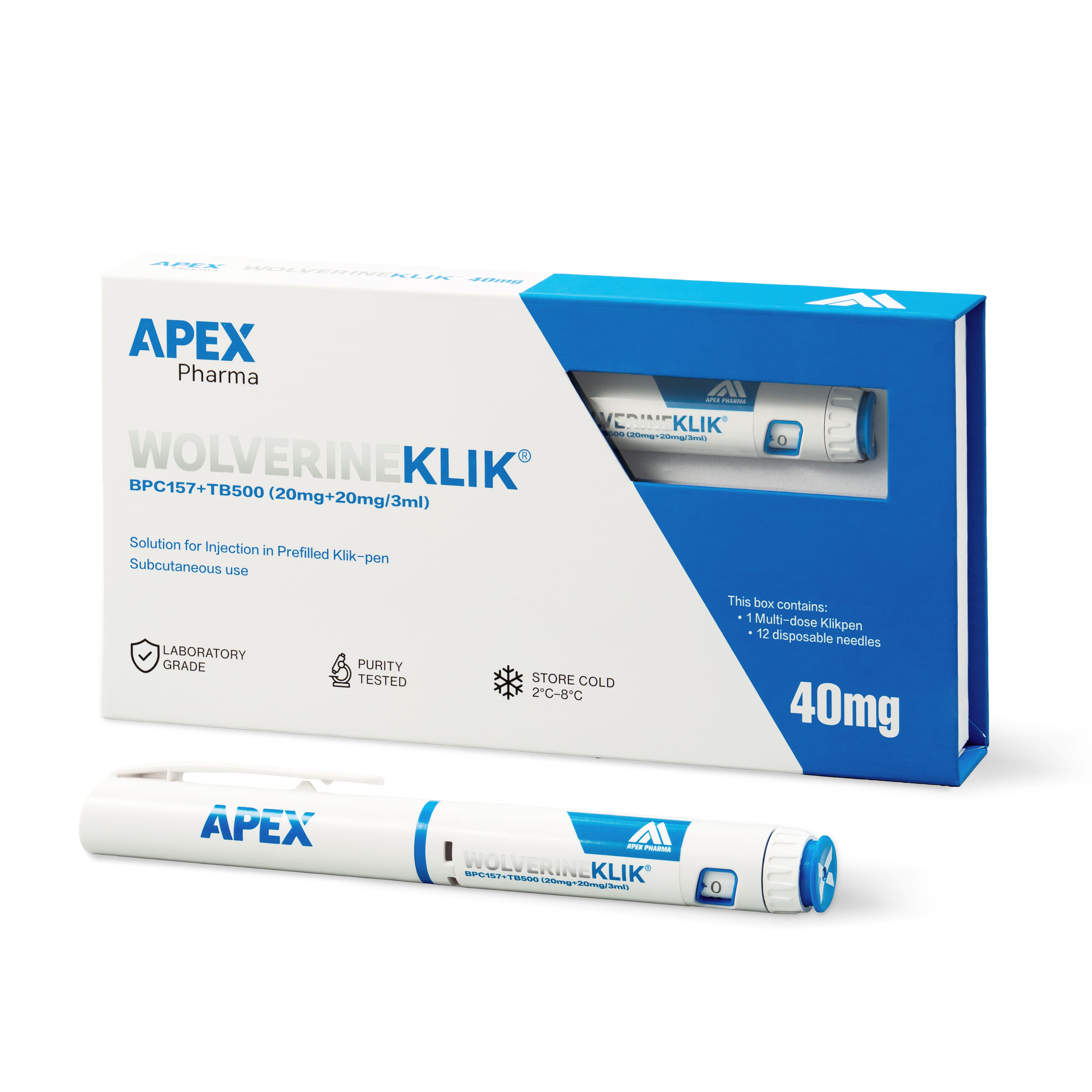
No. Wolverine is a different pen, with BPC-157 20mg and TB-500 20mg in 3ml (40mg total) and no GHK-Cu. Record each product from its own listing, and use the compare tool if you need to see two products side by side.
What if a supplier's reply gives only a total?
Record it as a total, note who gave it and when, and ask for the component breakdown. Leave the individual fields empty until you have a source for them.