BPC-157 TB-500 Bundle Research: Tie Each Statement to a Source
A vague line about "the research" behind a bundle is easy to write and hard to defend. Work from the statements, name each source's role and flag the gaps.
Many purchase requests built on BPC-157 TB-500 bundle research read smoothly and cite loosely. A vague line about "the research" behind the bundle is easy to write and hard to defend, because the papers behind it are usually about a compound, not about the specific pens being bought.
A tidier method is to work from the statements in the request instead of the reading list. Take each sentence and write beside it which source backs it and what kind of source that is. Where nothing does, say so. A colleague who inherits the file can then see which lines stand on documents and which are the project team's own judgement.
Start from the sentences, not the folder
A bibliography copied without explanation makes background reading look like direct evidence. Reversing the direction fixes this. Instead of asking "what do these twenty papers show?", ask "what does this sentence need in order to be true, and where is that written down?"
It also shows quickly when the project question has moved on. Sources kept for an earlier question may still be useful, but they should be marked for another look, not carried forward as if they covered the new one.
Four kinds of support
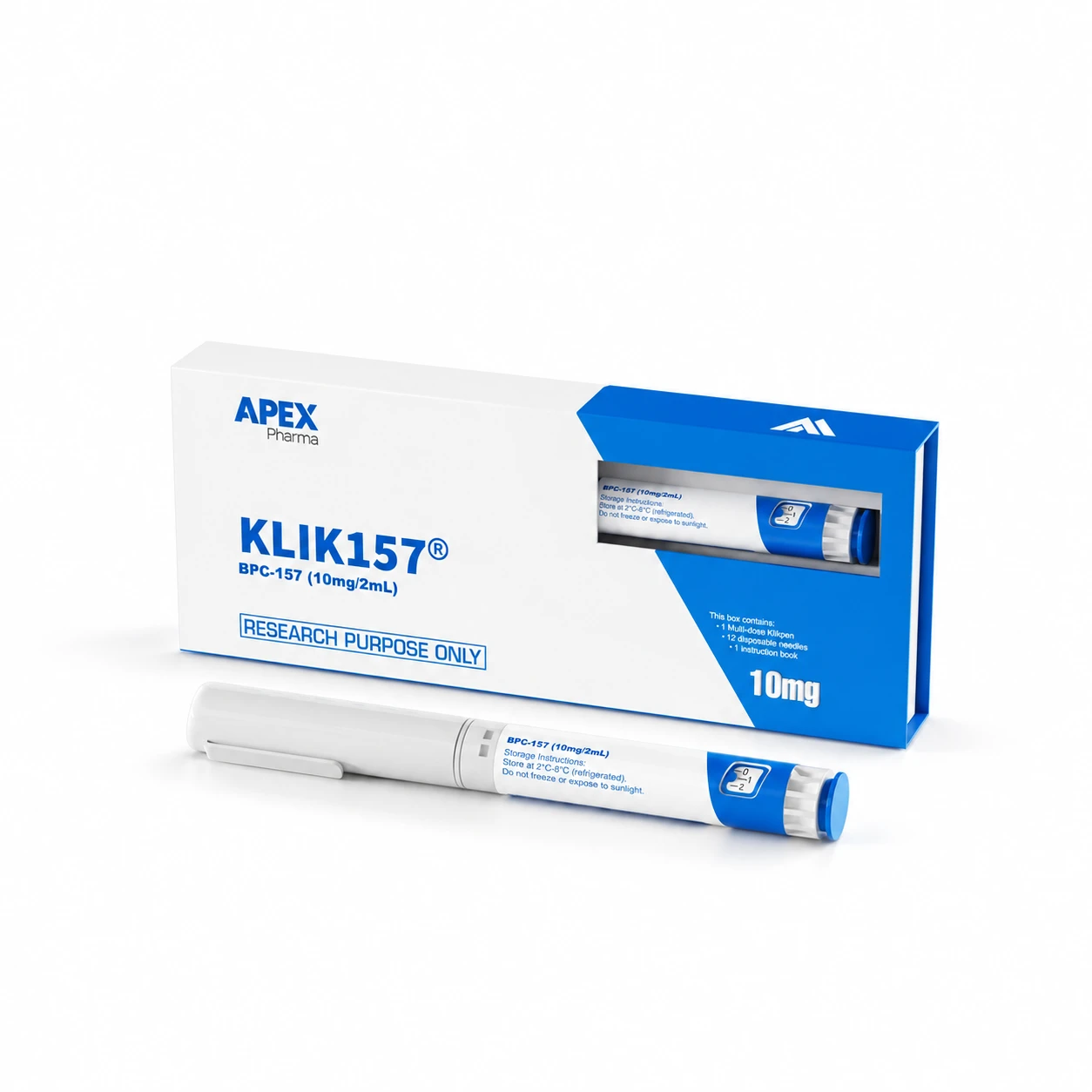
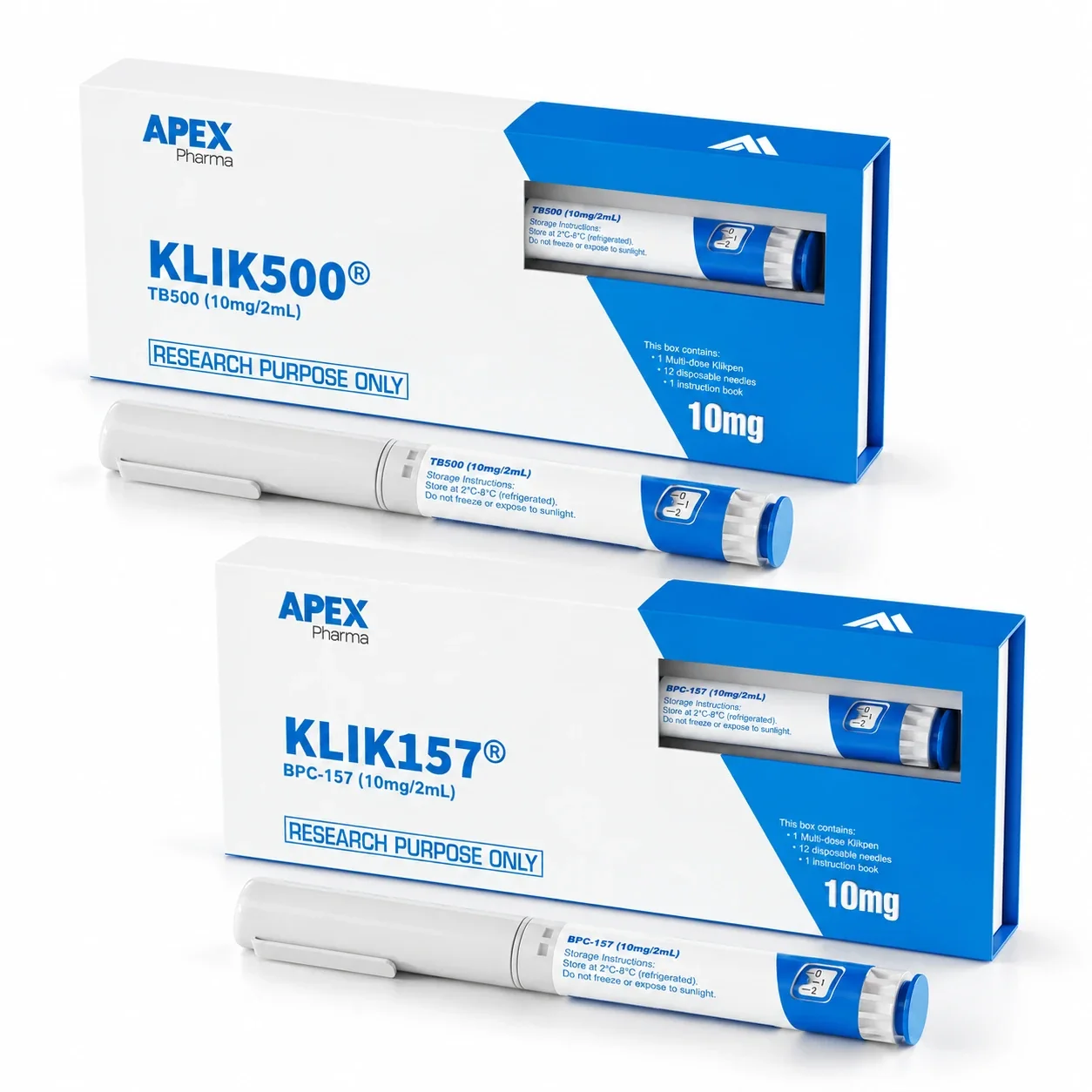
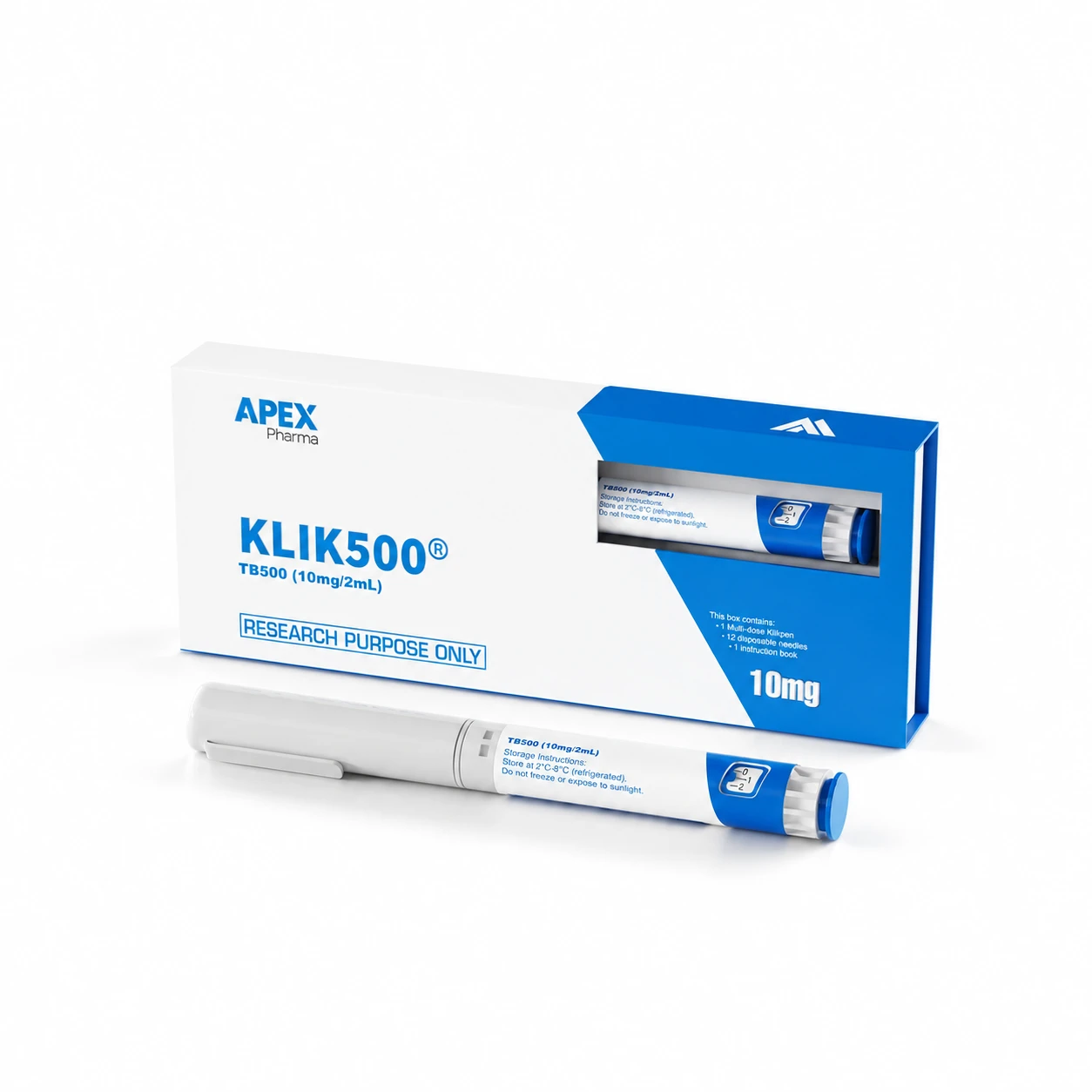
- Product page. Backs statements about what is being sold. The STRENGTH bundle is two separate pens, KLIK500 (TB-500 10mg/2mL) and KLIK157 (BPC-157 10mg/2mL). Note the date you viewed the page.
- Batch document. A Certificate of Analysis backs statements about the batch it names, and only that batch. CLOVA publishes them on the COAs page and on product pages where a report is available, so never assume one exists for every item.
- Published literature. Backs statements about whatever the authors examined: a compound, a cell or animal model, or a review of earlier work. Keep that subject attached to every note.
- Nothing. Some lines, such as "a two-pen bundle suits our experimental design", are the team's judgement. That is fine if it is labelled and has an owner.
A worked example
| Statement in the request | Source type | Gap |
|---|---|---|
| The bundle consists of two separately packaged pens | Product page, date viewed | None |
| The TB-500 pen is a 10mg/2mL item | Product page, date viewed | None |
| The batch we receive matches a published report | Batch document, if one is listed | Can only be checked against the label on arrival |
| Terminology and research settings for BPC-157 and TB-500 | Published literature | Background only; says nothing about this bundle or batch |
| A bundle suits our experimental design | None | Project team's judgement; needs a named owner |
Notice what the fourth row does not say. A paper about BPC-157 is not a paper about the KLIK500 pen, and a report on one pen does not speak for the other.
Rules that keep a source in its lane
- Use the source's own subject. Do not rename a compound study after the bundle to make it sound product-specific.
- Separate reporting from interpretation. "The paper states" and "we take this to mean" should never share a sentence.
- Keep the setting attached. Work done in cell or animal models should stay labelled as such and not be shortened into general guidance. This article makes no claims about outcomes of any kind, and neither should your note.
- Record how deeply you read. "Abstract only" tells the next person where to look before leaning on a source.
- Attribute supplier statements. Put them on their own line with the date and message reference.
Checklist for the handover note
- List the statements in the request, one per row.
- Give each a source type and an exact reference, with a date for anything on the web.
- Mark rows with no source as judgement, with a name beside each.
- Note which gaps block the purchase and which are only nice to know.
- Say who can interpret a technical document and who can approve spend.
- Name the next task: find another source, ask the supplier a question or interpret something already in the file.
Remember that the bundle is supplied for laboratory research use only (see what that wording means), so the note should not contain statements about effects in people or animals.
Frequently asked questions
Can I cite a paper about one component for the whole bundle?
Only for what that paper examined. It says nothing about the other pen, and nothing about the batch you will be sent.
Where do supplier statements go?
On their own line, marked as stated by the supplier, with the date and the message they came from. They are claims by the seller, not independent evidence.
What should I do with a statement that has no source?
Label it as the team's judgement and give it an owner, or remove it. An unsupported line should not sit in a request next to supported ones without a marker.