Recording an Evidence Gap on a Peptide Blend Without Guessing
When the evidence you hold has gaps, the way you word the record matters. Four plain labels and some sentence templates for noting what is known, stated and missing.
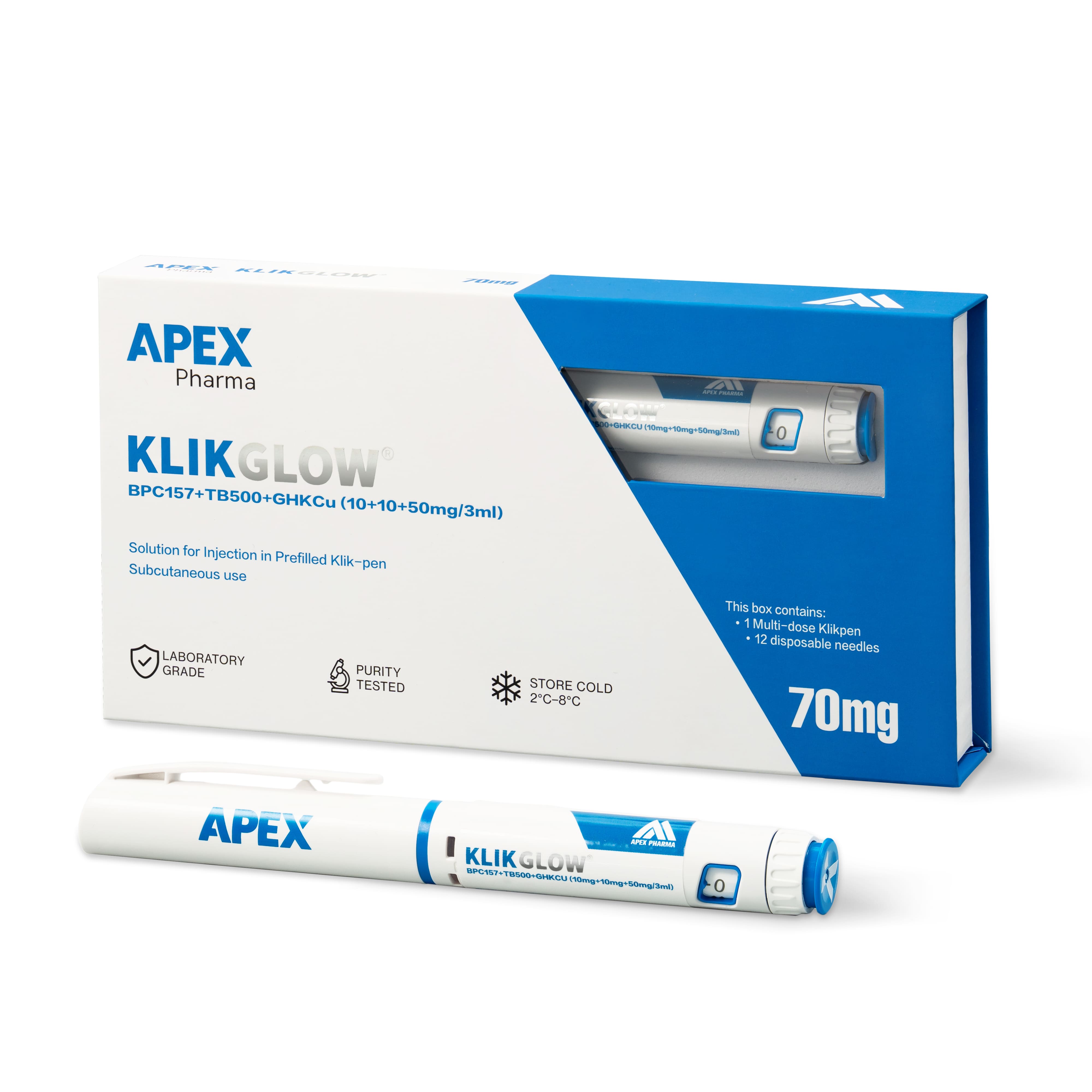
Anyone gathering BPC-157 TB-500 GHK-Cu blend evidence for a purchasing review will hit gaps sooner than they expect. A product page lists contents but no batch report. A paper concerns one component and says nothing about the pen on your shortlist. A supplier replies politely without answering the question.
What you write down about those gaps matters more than people tend to think. The usual mistake is to plug the hole with hope ("it is probably fine") or with a flat negative ("there is no evidence, so avoid"). Both say more than you know. This article offers a plain way to word the record so it stays accurate, and so the next reader can pick up exactly where you stopped.
Four labels that keep a record honest
Give every statement in your notes one of these labels, and your gaps will mostly describe themselves.
- Documented. You hold a document that says it, and you have checked it applies to the item you are buying.
- Stated, not checked. The supplier or a page says it, but you have no independent document for it yet.
- Not found in what we hold. You looked, and nothing in your files covers it. That is a statement about your files, not about the world.
- Not part of this review. Some questions belong to researchers rather than buyers, such as anything about how materials perform. Say so, and stop there.
The third label is the one people skip. "No evidence" sounds definitive, while "not found in what we hold" is true and invites the obvious next step.
Sentence templates you can reuse
Wording is easier when you have a starting point. Adapt these to your own notes and add dates where you see square brackets:
- "Component names and amounts are stated on the product page (viewed [date]). No batch report is held for this item."
- "A report is linked for batch [number]. It lists [what it reports]. We have not yet confirmed that the batch on our label matches."
- "Literature held concerns the individual component only. It is background on that component and is not recorded as evidence about the blend."
- "Question about [topic] sent to the supplier on [date]. No reply yet."
- "Comparative performance of the blend and its components: not part of this purchasing review."
Notice that none of these sounds either enthusiastic or alarmed. They describe the state of the file.
Do not change the question to fit the source
This is where many records quietly go wrong. You are asked whether the evidence supports a claim about a particular blend, you find an interesting paper on one of its components, and the question shifts to whatever the paper covers.
Keep the source attached to what it actually examined. A document on a single component stays labelled as that component. A batch report stays labelled with its batch and sample. Neither gets renamed after the GLOW blend to make the file look more complete.
Absence is not a verdict
If you cannot substantiate a claim from what you hold, the record should say exactly that and no more. It does not show the claim is false, and it does not show you can take it as true. Treat the gap as open.
The same goes for the supplier side. A clear quotation settles commercial terms, but it says nothing about a scientific question. And a limitation in the literature does not tell you what the supplier has offered. Keep those two columns apart in your notes, and each will be easier to resolve.
Match the next step to the gap
Different gaps call for different actions, and more documents are not always the answer.
- Missing batch report: ask the supplier which report applies to your batch, and check the COA page first. Reports are published where available, so ask about the specific product.
- Unclear literature: hand it to the researcher or specialist who can interpret it, with the exact question you need answered.
- Unclear supplier wording: send a short written question and log the reply.
- Gap that cannot be closed: record it, tell the approver, and let them decide whether to proceed.
Before you sign off, read your summary as a stranger would. Do the title, introduction and conclusion all draw the same boundary? A cautious final line cannot rescue an earlier sentence that suggested a result, so fix the sentence itself. Everything CLOVA supplies is for laboratory research use only, and a purchasing record should never read as though it says otherwise.
Frequently asked questions
What is the difference between "no evidence" and "not found in what we hold"?
"No evidence" suggests you have looked everywhere and found nothing, which is rarely true of a purchasing review. "Not found in what we hold" describes your own files accurately and makes clear that someone else may know more.
Should I ask the supplier to prove every claim?
Not necessarily. Focus on the questions that would change your decision, such as which report applies to your batch, and ask for those in writing. A long list of general demands tends to produce general reassurance.
Can I pass on a gap without resolving it?
Yes, provided it is written down plainly. An approver can accept a known, clearly worded gap far more easily than one that has been papered over.