Finish the Sentence: Linking Batch Documentation to Your Purchase
A folder of reports isn't traceability. Try completing one sentence that links a report to the batch you plan to buy, and ask about whatever you can't fill in.
A folder full of reports can look like traceability and still leave you unable to say whether any of them describes the material you are about to buy. Peptide batch documentation earns its place in a purchasing file when you can explain, in a single sentence, how a report relates to the proposed supply.
Here is that sentence, the places where it tends to break, and a checklist to run before a report is filed.
What is the sentence to complete?
Try this:
Report [reference] describes [sample or product name as printed], and the supplier states it corresponds to batch [label] because [their explanation].
There are three possible outcomes:
- Every bracket filled: you have a traceable link, and the explanation is on file.
- Brackets filled but the "because" missing: you have an open question for the supplier. Record it as exactly that.
- Names or numbers that don't line up: you have two references to keep side by side while you ask how they relate.
An unfinished sentence isn't a failure. It is a precise note of what still needs asking, which is far more useful to an approver than a status of "paperwork pending".
Why are the brackets harder to fill than they look?
Documents often carry several references that look alike but label different things: the report's own reference, the name of the sample submitted for testing, and the batch label on the product. Similar wording doesn't prove these refer to the same thing. You need the source's explanation of how they connect, and it should sit beside the original document so a colleague can see where the laboratory's record ends and the commercial link begins.
Start from the proposed product's own entry in the research catalogue, not from the report. The listing says what you are buying; the report has to be explained against it.
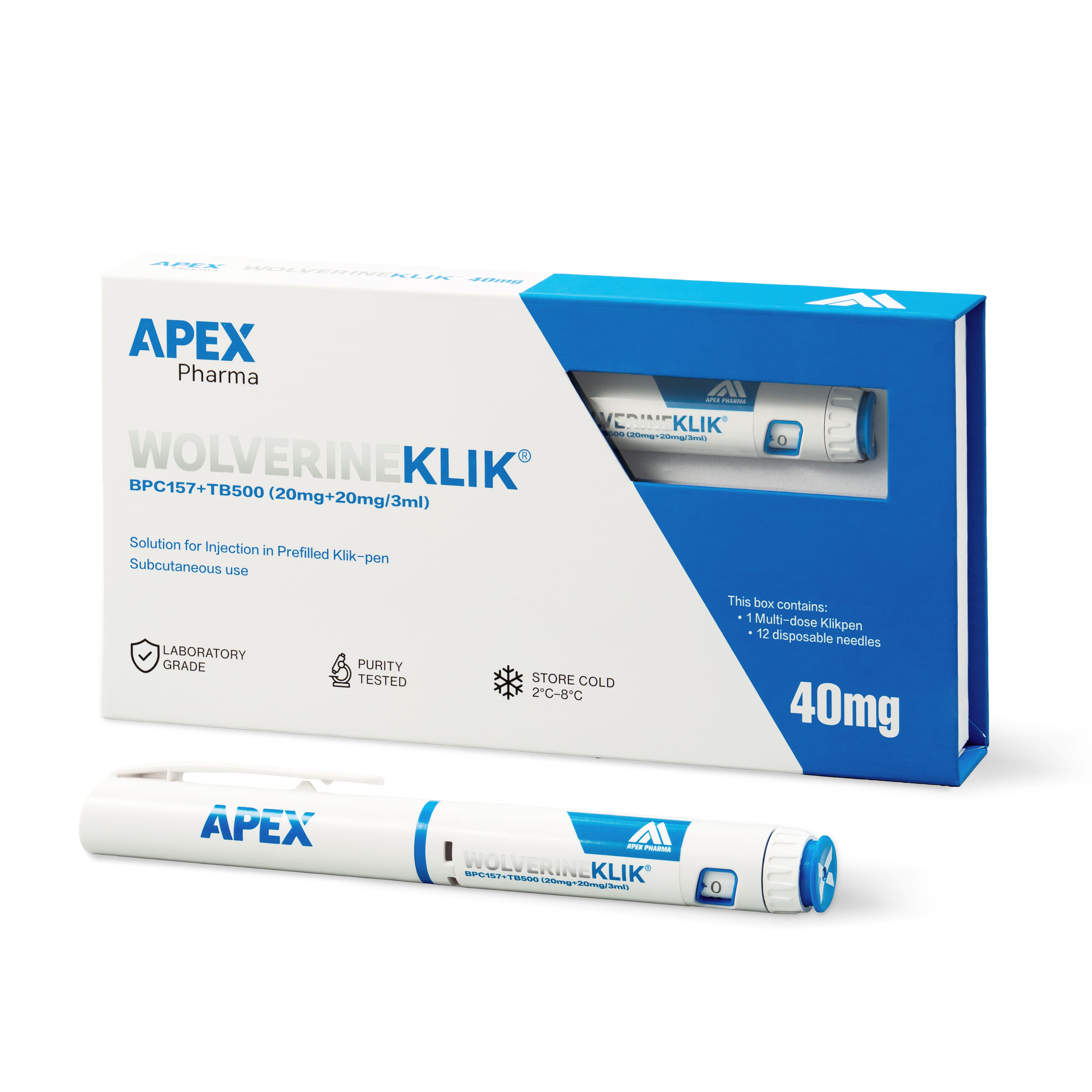
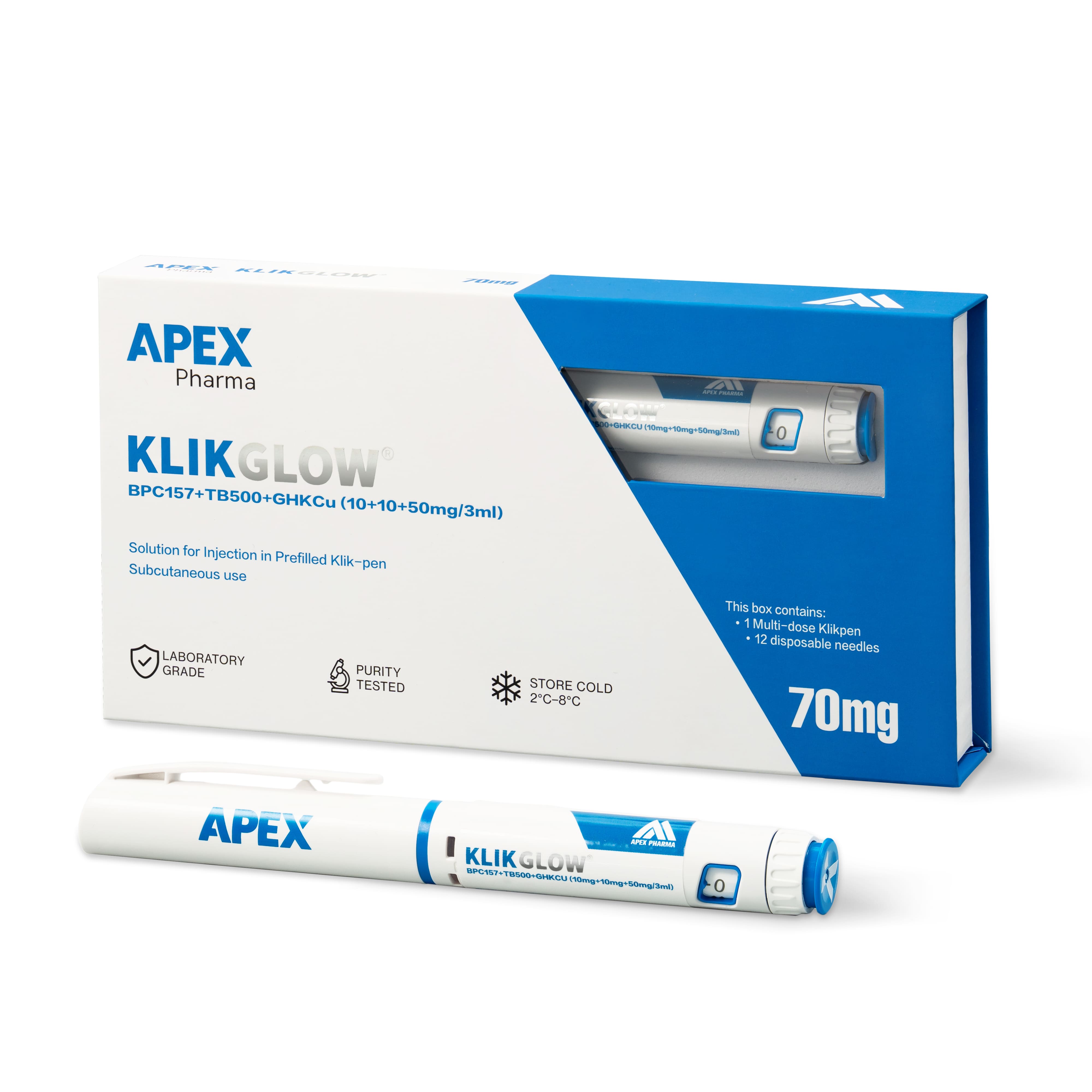
Names are the commonest snag. A product page may use one name while the pen label carries another. The Wolverine blend, for example, is labelled WOLVERINEKLIK, and the GLOW blend is labelled KLIKGLOW. Where names differ like this, record both exactly as they appear and ask CLOVA to confirm which report belongs to which product and batch. One email beats a file full of assumptions.
Never rename one reference to make it match another. That creates the appearance of traceability without any of the support. If a source describes a statement as batch-specific, ask what that means for your material rather than imagining a sampling scheme or production history.
Does a grouped purchase share one report?
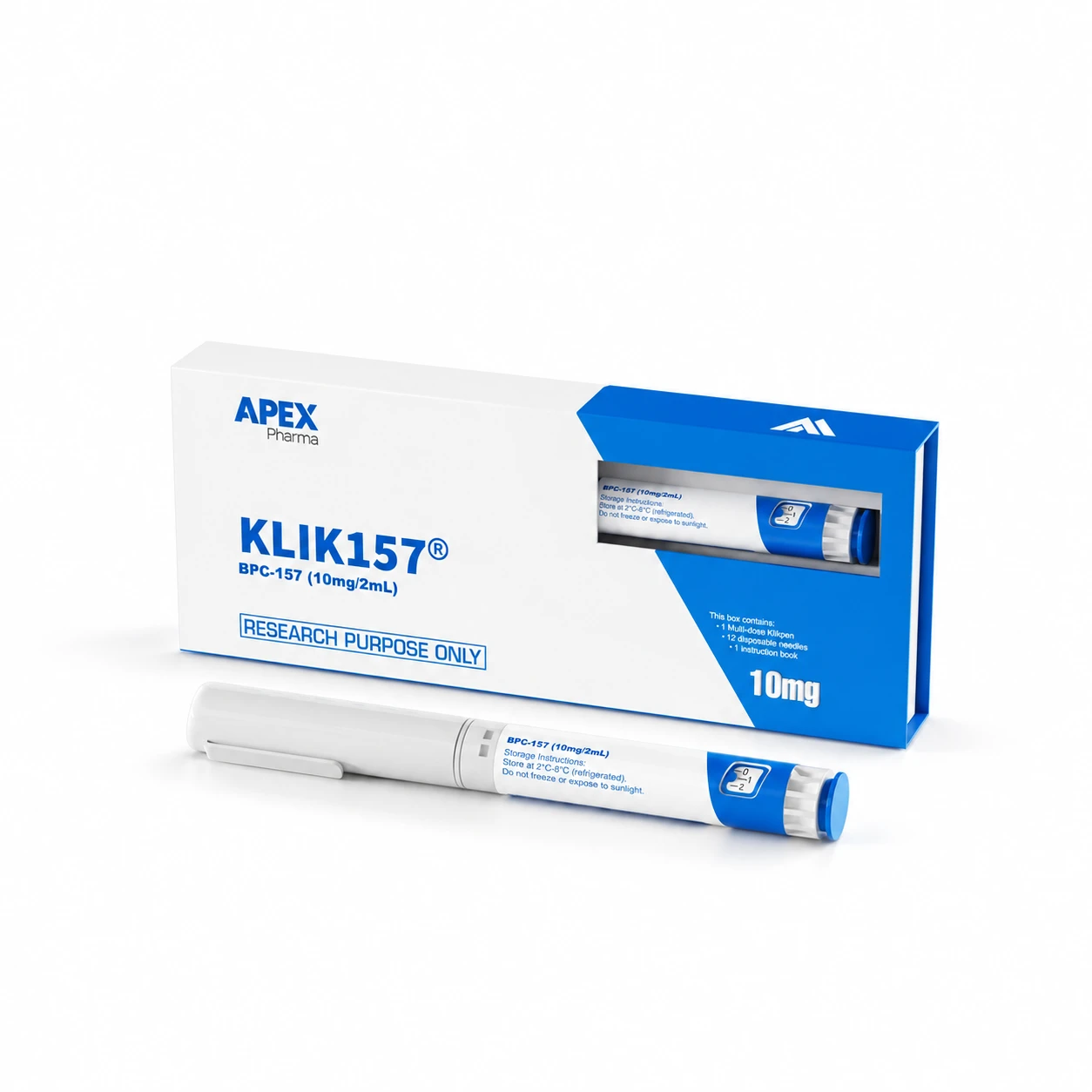
Not automatically. The STRENGTH bundle is two separate pens, KLIK500 (TB-500 10mg) and KLIK157 (BPC-157 10mg). Buying them together doesn't give them a single evidence subject, and a report about one pen shouldn't silently stand in for the other.
Work out which question belongs to which material and write a separate sentence for each pen. If you end up with several relevant-looking files and nobody has explained how they relate to this request, the number of attachments doesn't close the gap. Ask for the specific connection that is still missing.
Checklist before a report goes in the file
- Document title, reference and date copied as printed.
- Sample or product name copied as printed, not shortened.
- Batch number on the report and batch number on your quote, order or label, side by side.
- The supplier's explanation of the connection, saved with the document.
- A link status: confirmed by the source, stated but not yet matched to your stock, or unclear.
- The next step and who owns it.
Reports are published on the Certificates of Analysis page and on product pages where a report is available. Not every product or batch has one, so "no report published" is a valid status too.
What does an unexplained link mean?
It may stop you assessing the material for your project, but it doesn't show that anything failed. Record the limitation in those words and name the consequence, for example "cannot yet confirm this report applies to the batch we would receive".
A report is also an observation about a defined sample, not a promise about every future unit. Keep any qualification that affects the conclusion, even when a short approval form pushes you to compress it. When stock arrives, the batch number on the label is the last thing to compare with the number on the report.
Everything CLOVA lists is supplied for laboratory research use only, so these records exist for procurement and laboratory traceability and nothing else.
Frequently asked questions
What if the batch number on the report differs from the label?
Don't assume a mistake or a fault. Record both numbers exactly, ask CLOVA how the two relate, and hold off relying on the report for that stock until you have an answer.
Are batch reports published for every product?
No. Reports are published where one is available. If you can't find one for the item you plan to order, treat it as a documentation question to put to CLOVA, not as proof either way.
Should I use a report from a similar product while I wait?
No. A report describes the sample named on it. Borrowing one from a different product, even one with a shared ingredient, creates verification the supplier never provided.