Vague Field on a Blend Spec Sheet? How to Get It Defined
A filled-in cell is not the same as an understood one. Here is how to pin down vague fields on a blend specification before they influence a purchase.

A field on a specification sheet is only useful if everyone reading it means the same thing by it. A BPC-157 TB-500 GHK-Cu blend specification might say "purity: high", "grade: research" or simply "70mg" in a box marked "strength". The cell is populated, yet nobody on your team can say what it actually tells them.
The answer is to ask what a field means before it influences a purchase, rather than guessing and moving on. Work out why the field is on the sheet, ask the supplier to define it for the specific listing, and keep their wording beside your own reading of it. The examples below use the GLOW pen, but the method suits any blend listing.
Which fields are most often unclear?
Some fields look self-explanatory and are not. These come up most:
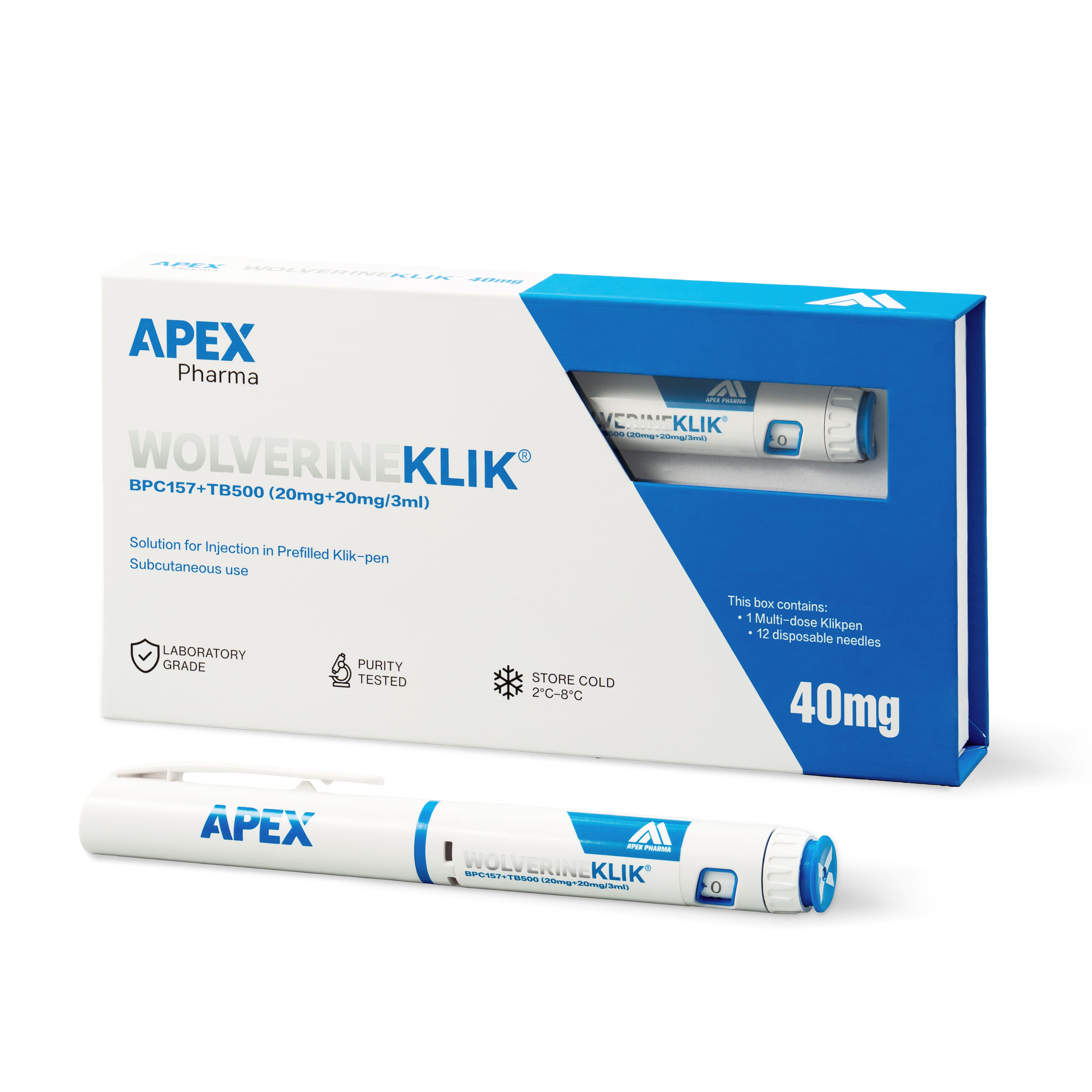
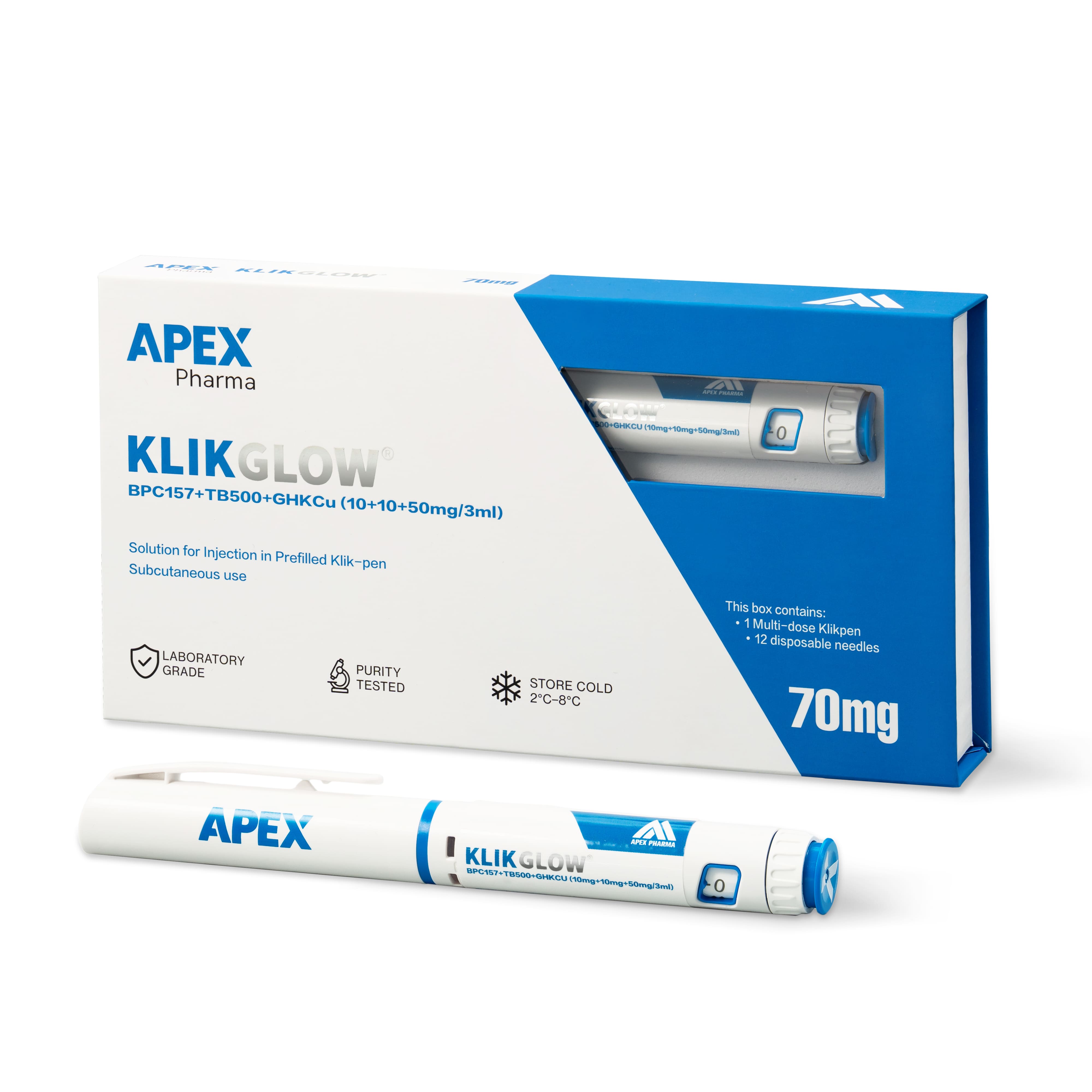
- Total or strength. The GLOW listing states BPC-157 10mg, TB-500 10mg and GHK-Cu 50mg in one 3ml pen, which adds up to 70mg. A bare "70mg" on a sheet could be read as the amount of each peptide, or of just one. The Wolverine pen has the same trap: 40mg in total, made up of 20mg of each peptide.
- Purity. A word such as "high", or a figure with no method, no batch and no indication of which component it refers to. On a three-peptide blend, one number cannot describe everything unless the report says it does.
- Grade. "Research grade" is a descriptive label. It does not tell you what was measured.
- Size and contents. The 3ml figure and the milligram figures answer different questions: one is the pen, the others are the stated contents. Sheets sometimes run them together.
- Names. BPC157, BPC-157 and KLIKGLOW can all appear in the same paperwork. KLIKGLOW is the label name for the GLOW pen, so list the aliases once instead of treating them as three items.
- Batch. A blank, or one generic code used for everything.
Decide why the field is there
Before writing to anyone, ask your own side. Templates get inherited from earlier projects, and some fields outlive anyone's memory of why they exist. Ask the project owner which decision the field informs.
If the answer is "none in particular", remove the field or mark it optional. That saves a query.
If it does matter, write down what you would need to know. For a purity statement, that might be which component it covers and which batch it came from. Also keep three kinds of entry apart: something you require, something the supplier states, and something a report measured. In a single column they all look identical.
Word the query so it can be answered
Quote the field exactly, name the listing, and ask what it measures, what it applies to and where any supporting document sits. A short message gets a better answer than a long one:
Your listing for the GLOW pen (label name KLIKGLOW) shows "purity: high". Could you tell us what this refers to, which components it covers, and whether a report for the batch is available? We need this to complete our specification record.
Avoid asking for general reassurance. "Please confirm the product is good quality" invites a reply that sounds helpful and settles nothing.
Reports are published on the Certificates of Analysis page and on product pages where one is available, so look there first. If a report exists, match the batch number on the label to the report rather than assuming they line up.
Record the answer without tidying it up
- Save the supplier's wording word for word, next to your interpretation.
- Do not borrow a more detailed definition from another product to fill the gap. The same words can mean different things on different listings.
- Note what remains uncertain, such as which component a purity statement covers.
- If a field cannot be defined, mark it "not stated". That is missing information, not proof of a fault.
- Leave the judgement to the researcher. Purchasing staff should not invent a threshold just to close the cell.
CLOVA supplies these products for laboratory research use only, so the sheet is a procurement record. It describes what you are buying and what is documented, nothing more.
A quick test before you mark a field resolved
- Can you say in one sentence what the field measures or describes?
- Is it clear which product, component and batch it applies to?
- Is the supplier's original wording saved alongside your interpretation?
- Does a document support it, and does the batch number on the label match?
- Has the person who owns the requirement agreed that the answer is enough?
If any answer is no, leave the field open and say why.
Frequently asked questions
What if the supplier replies with "high quality"?
That is an adjective, not a definition. Send one narrower follow-up asking what was measured and for which batch. If nothing more comes back, log the field as "not defined" and let the researcher decide whether to continue.
Can I copy a definition from a similar listing?
No. Another product's description may use the same term differently, and importing it makes your file look more precise than the evidence allows. Ask about the listing you are actually buying, or record the field as not stated.
Does a missing definition mean the product is faulty?
No. It means the information has not arrived yet. Record it as an open question rather than a defect, and revisit it when the supplier replies.