BPC-157 TB-500 Blend Price in the UK and How to Itemise a Quote
A headline price only tells part of the story. Here is how to break a blend quote into line items you can actually compare.
When you search for a BPC-157 TB-500 blend price in the UK, the number on the listing is only the starting point. Two offers can show similar figures while describing quite different things: different amounts of each component, a different format, or delivery and documentation handled in different ways. Compare headline prices alone and a weaker offer can easily look like the better deal.
The fix is simple, if a little tedious. Itemise every quote before you compare it. Break each offer into the same set of lines, fill in only what the seller has actually stated, and leave everything else visibly blank. This article walks through that process using CLOVA's Wolverine blend as a worked reference.
What does the Wolverine listing price actually cover?
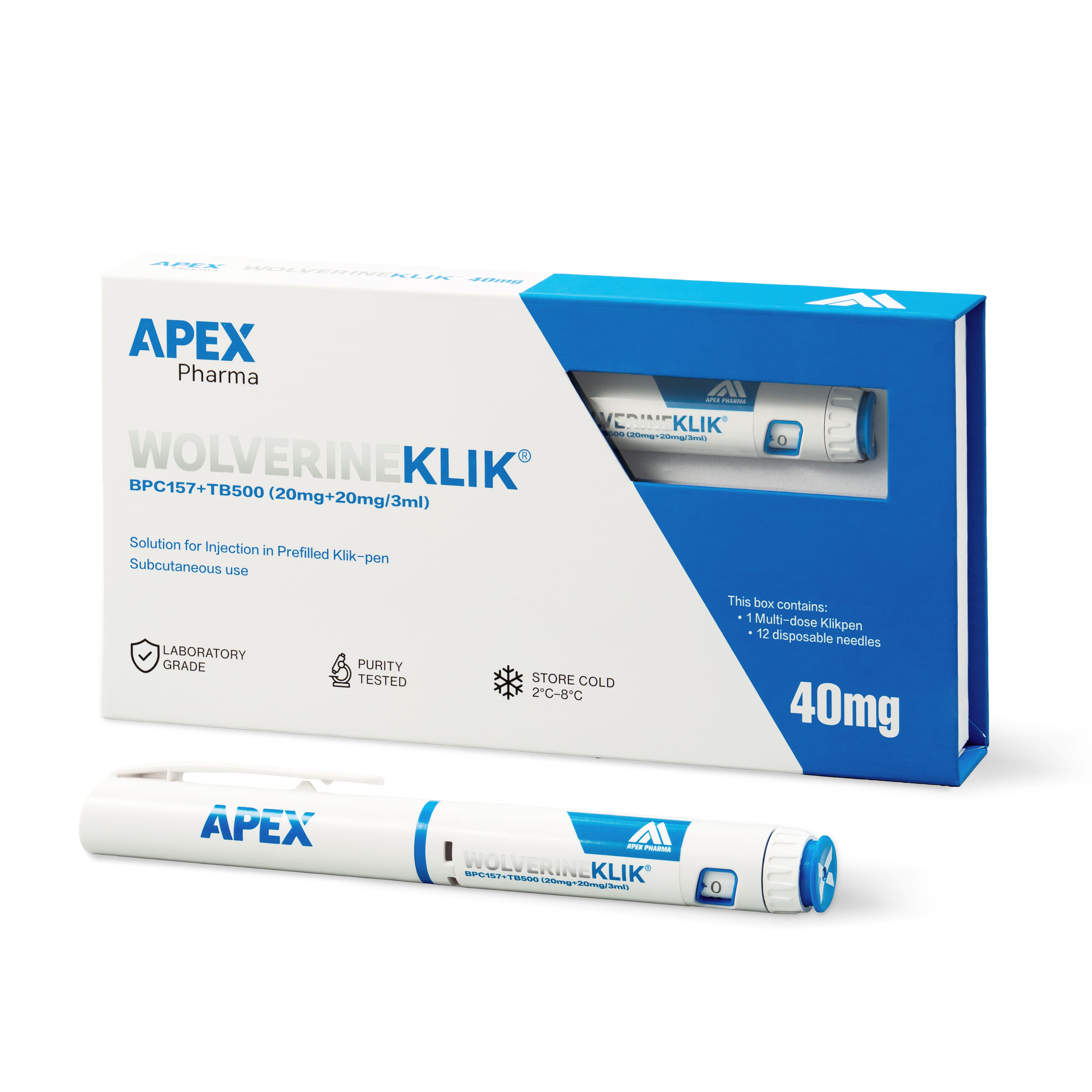
Start by writing down exactly what one unit is. The Wolverine BPC-157 + TB-500 blend is a single 3ml pen containing BPC-157 20mg and TB-500 20mg, 40mg in total, labelled WOLVERINEKLIK. That one sentence gives you four lines for your comparison: component amounts, total content, fill volume and format.
Then add the parts of the purchase that sit around the product. CLOVA ships cold, by tracked delivery, in discreet unbranded outer packaging, and orders paid before 1pm UK time Monday to Friday are dispatched the same working day. The delivery information page has the full detail. None of this changes the product, but all of it affects what you are paying for and when it arrives.
Build an itemised quote sheet
Use one row per line item and one column per offer. Keep the seller's own wording in each cell rather than paraphrasing it. A sheet for a blend usually needs these rows:
- Product and label name, as printed (for example, WOLVERINEKLIK)
- Amount of each component, with units
- Total content, and how the seller arrived at it
- Format and fill volume (pen or vial, and millilitres)
- Unit price, and the quantity it applies to
- Delivery method and charge, as shown at checkout
- Dispatch timing and any cut-off
- Packaging and temperature in transit
- Documentation, including whether a Certificate of Analysis is published for the batch you would receive
- Date the quote or listing was captured
If a seller cannot fill a row, write "not stated". That blank is information in its own right.
Spotting a false comparison
The most common mistake is comparing two totals that describe different contents. Imagine one offer lists a blend at a lower figure but gives no per-component amounts, while another lists 20mg of each in a 3ml pen. The cheaper one is only cheaper if it contains the same thing, and at this point you simply do not know.
A quick sanity check is to divide each unit price by its stated total content to get a price per milligram. Treat it as a rough tool, not a verdict, because format and documentation also differ. It does, though, stop a smaller pack being mistaken for a saving. An offer with no stated content cannot go through this step at all, and your sheet should say so.
Watch, too, for figures that are not final. A listing price may exclude delivery, and a quote may only hold for a short window. Record the date beside every number.
Questions worth sending before you accept a quote
If something on your sheet is blank, ask about that specific line. Short, written questions get better answers than a general request for "full details":
- What is the stated amount of each component in one unit?
- Is the product a single premixed pen or separate items?
- Is a Certificate of Analysis available, and does it carry a batch number I can match to the label?
- How is the order shipped, and is it kept cold in transit?
- Is the quoted figure the final payable total, including delivery?
For CLOVA products, published reports sit on the Certificates of Analysis page and on product pages where a report is available. Not every batch will necessarily have one, so match the batch number on your label to the report rather than assuming it is covered.
Turning the sheet into a decision
Once the rows are filled, read across rather than down. Which offers describe the same contents in the same format? Of those, which have the documentation your organisation needs? Only then does price become a fair tiebreaker.
If two offers still cannot be compared because one leaves key rows blank, that is a perfectly good outcome. Note it, then either ask the missing question or set that offer aside. The finished sheet also gives an approver a clear record of why one quote was chosen, which is worth far more than a single figure.
The Wolverine blend, like everything CLOVA sells, is supplied for research use only, so check the purchasing rules that apply to your organisation before committing.
Frequently asked questions
Why not just compare the listed prices?
Because the prices may describe different products. One blend might contain 20mg of each component and another an unstated amount. Itemising the contents first makes sure you are comparing like with like.
Does a lower price per milligram mean a better offer?
Not on its own. Price per milligram is a useful sanity check, but format, documentation and delivery terms matter too. Use it to flag mismatches, then weigh the full sheet.
Where can I find the Certificate of Analysis for a Wolverine pen?
Check CLOVA's Certificates of Analysis page and the product page. Reports are published where available, and you should match the batch number on your pen's label to the report.