Spotted a Mistake in Your COA Summary? Log the Correction Properly
When your own note about a batch report turns out to be wrong, the fix is easy. Making sure nobody keeps using the old version takes a little more care.
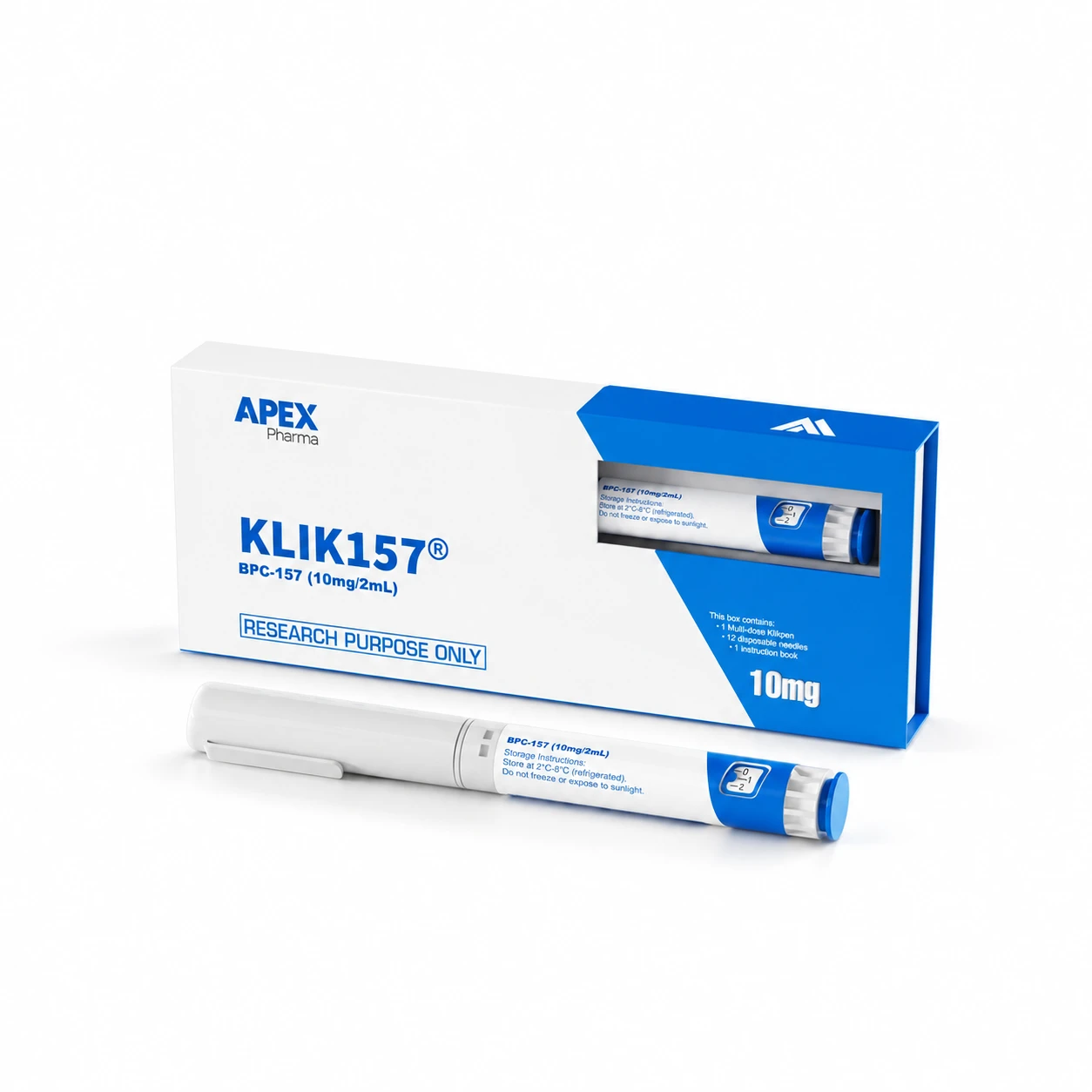
Few things unsettle a procurement file like finding that your own summary of a BPC-157 TB-500 GHK-Cu blend batch report doesn't match the report. Perhaps two digits of a batch number were swapped, or a unit was dropped when you copied a line across. The report itself hasn't changed. Your note has.
The fix is usually a few seconds of typing. The harder part is making sure the record shows what was wrong, why, and who has been working from the old version. A silent overwrite leaves the next reader wondering whether the document changed or your reading of it did, and those are very different situations.
Work out where the difference came from
Before you edit anything, decide which of three things happened:
- A copying slip. The report says one thing and your summary says another.
- A mix-up of documents. You summarised a report that belongs to a different batch or product.
- A change in the source. The supplier has issued a replacement report.
Only the third involves anyone but you. If it was a copying slip, say so in the log in plain words. Describing it as a "report discrepancy" implies a problem at the testing end that you have no evidence for.
Keep the old line and write the correction note
Keep the old line visible
Resist the urge to delete the earlier wording. Keep it, mark it as superseded and add the corrected line beneath. A simple version label (v1, v2) is plenty. The original report file should stay exactly as you received it, and the summary is the only thing that changes.
This matters later, when someone finds an approval email quoting the old figure. If the earlier version has vanished, they can't tell whether that email was wrong or merely out of date.
Write the four-line note
Four short lines are enough. Here is an illustration: imagine the batch number in your summary had two digits transposed.
- What the earlier summary said. The batch number as you first wrote it.
- What it should say, and where that comes from. The corrected number, with the page of the report it was taken from.
- How the error arose. A transcription slip, spotted when you compared the summary with the report and the label on the pen.
- What it affects. The approval note, the stock sheet and the supplier thread that quoted the summary.
If your report came from the Certificates of Analysis page, say which entry you used. If it was sent to you directly, record how and when it arrived.
Chase the correction to wherever the summary travelled
Updating one folder is rarely enough. Summaries get pasted into emails, approval forms and inventory sheets, and each copy keeps the old wording until someone changes it. List every place the figure appeared and fix or annotate each one.
Then do the check that caught the problem in the first place: read the batch number on the label of the GLOW pen itself and confirm it matches the corrected record and the report. A label, a report and a summary should all tell the same story.
Don't over-correct
A copying slip in a summary is not a reason to doubt the report, the product or the supplier. Re-read only the conclusions that depended on the figure you fixed, and leave the rest alone. Reopening an entire file because of one transposed digit wastes time and can bury the real change.
Also keep two stages apart. Updating the record is clerical, whereas deciding what a corrected figure means for the project is the researcher's call. Show both steps in the log rather than merging them into one "done" tick.
Checklist for a correction
- Original report saved and untouched
- Earlier summary kept and marked as superseded
- Cause stated plainly (slip, wrong document, replacement report)
- Corrected figure traced to a named page or section of the report
- Every copy of the summary found and updated or annotated
- Batch number on the pen label checked against the corrected record
- Anyone who acted on the old figure told
Frequently asked questions
Do I need to tell the supplier about a mistake in my own summary?
Usually not. If you aren't sure which report applies to the batch you hold, though, ask them to confirm it, quoting the batch number from your label.
Should I delete the wrong version?
No. Mark it as superseded and keep it. The history is what lets colleagues trust the corrected line.
What if the correction changes a decision that was already approved?
Send the corrected summary to the approver with a line explaining what moved and why. Whether the original approval still stands is for them and the responsible researcher to decide.