New Person on the Supplier Side? Keeping Earlier Answers Usable
When a different person starts answering your supplier enquiry, you do not need to start again. Build a short answer ledger and ask only what is still open.
You have been emailing about the GLOW blend for a fortnight, and suddenly the replies come from someone new, or from a shared inbox with a different signature. When a supplier contact changes during procurement, the useful question is not "who is this?" but "has anything except the name changed?"
A new person in the thread is no reason to start from scratch. It is also no guarantee that every earlier answer carries across. The fix is a short record of what you were told, tied to the exact product it concerned.
Check whether anything but the name changed
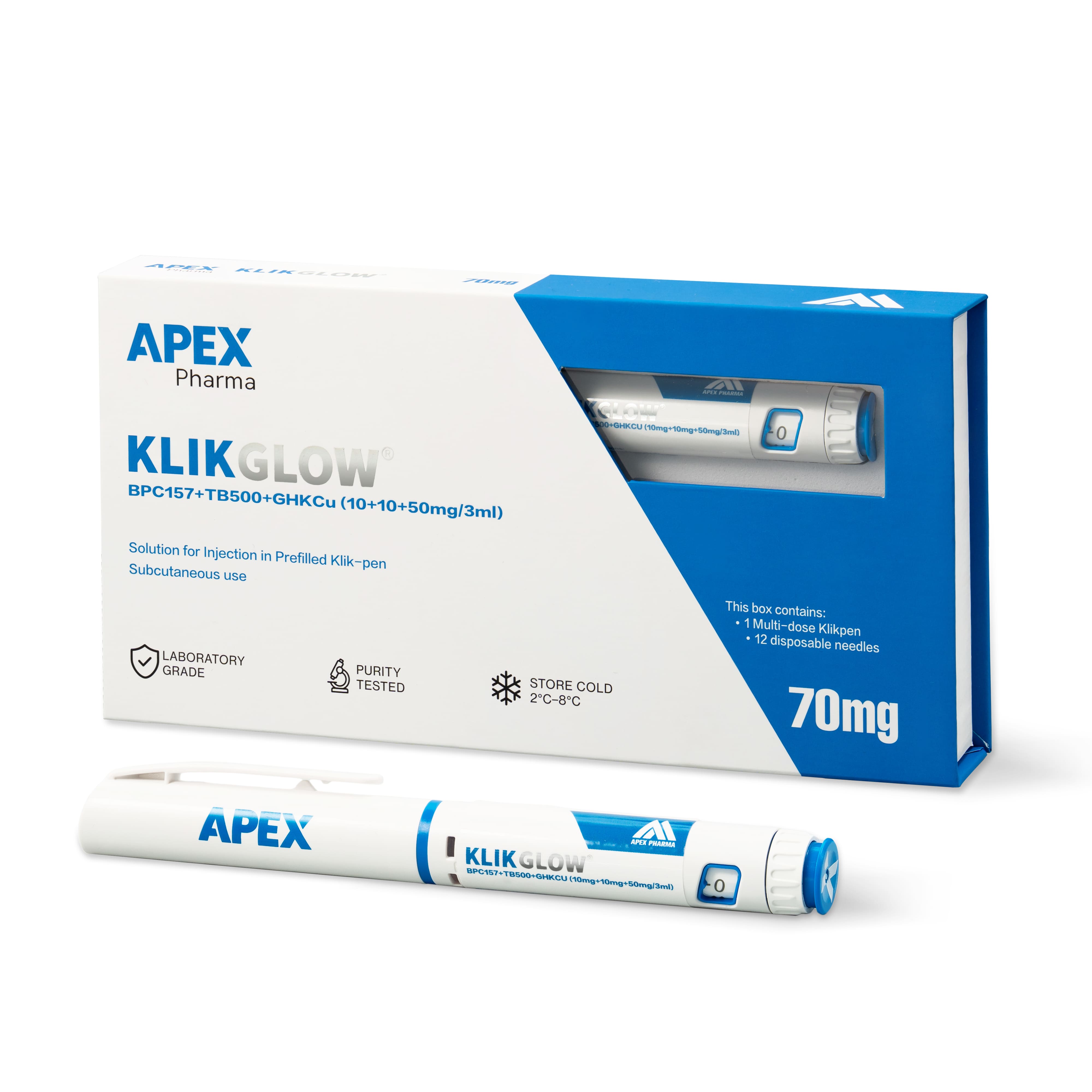
Start by comparing the new contact's reply with what you already hold. Is it the same product listing, the same pack and the same quote or enquiry reference? For the GLOW blend, that means one 3ml pen containing BPC-157 10mg, TB-500 10mg and GHK-Cu 50mg (70mg in total), with the label name KLIKGLOW.
If the product description matches, the contact change is an administrative one and your earlier work stands. If the new reply describes the pen, the amounts or the arrangement differently, treat that as a changed offer and review it as such. The two situations need different responses, and mixing them up is how people either redo everything or accept something they never checked.
Build a short answer ledger
A ledger is just a table, one row per question, that you can hand to anyone. Four columns do the job:
| Question you asked | Answer received | Who and when | Which product and pack it covered |
|---|---|---|---|
| Is the listing one pen or several? | Quoted from the listing or reply | Name, date | GLOW, 3ml pen |
The last column matters most. An answer about "the blend" is not much use if you later discover it was written about a different listing. Where an answer is only in a phone call or a chat message, say so in the row. Written answers carry more weight than remembered ones.
What to carry over and what to ask again
Carry over answers that are in writing, tied to a specific product and pack, and not dependent on anything that has since changed. Ask again about:
- answers given verbally or without a date;
- anything qualified with "probably", "should be" or "subject to stock";
- replies that referred to a quote or document that has since been replaced;
- any point where the new contact's wording differs from the old one.
Resist the broad "please reconfirm everything" email. It creates work for both sides and buries the one question that matters. Pick the one or two points the decision actually depends on.
Introduce your enquiry to the new contact in four lines
A new contact does not need the whole history pasted below your message. A brief restatement works better:
- The product and pack you are asking about, using the name on the listing and label.
- The stage you are at: enquiry, quote or order.
- What has already been answered, with the ledger attached or summarised.
- What is still open, as one or two specific questions.
State at the same time who on your side asks questions and who approves spend. If those are two different people, the new contact should not have to guess which of you to answer.
Keep your own changes separate
Sometimes the supplier's contact has not changed at all, but yours has, because a colleague has handed over the file. That is a different handover, and the ledger helps there too. Keep a line in your notes for each kind of change so that a later reader can see which side moved and when. If a document looks different after a change of hands, ask about it rather than assuming a supplier edit.
For general company details, the About page is the place to start. Everything is supplied for laboratory research use only, which is worth stating once in your restatement so the context is clear to whoever picks the thread up.
Frequently asked questions
Should I ask for a new Certificate of Analysis because the contact changed?
Not for that reason alone. Reports belong to batches, not people. Check the batch number on the label against the report on the COAs page or the product page, where a report is available, and ask only if you cannot tell which batch you are getting.
Is an earlier written quote still valid?
Do not assume. Read the terms on the quote itself, and ask the new contact to confirm in writing that it applies to your current request. If the quote does not say how long it stands, ask.
What if the new contact cannot see the earlier emails?
Send the four-line restatement and the ledger. Together they give the new person everything needed to continue without wading through the original thread.